
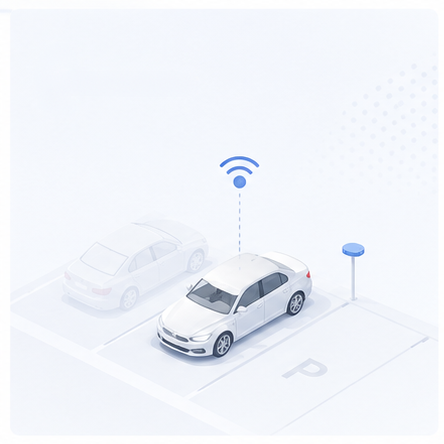
Real occupancy
Give operators a live view of space status.
Parking operations break down when occupancy, enforcement, access, and guidance run as separate jobs.
See space status, violations, entrances, and driver guidance in real time so parking teams can manage the site instead of chasing it.
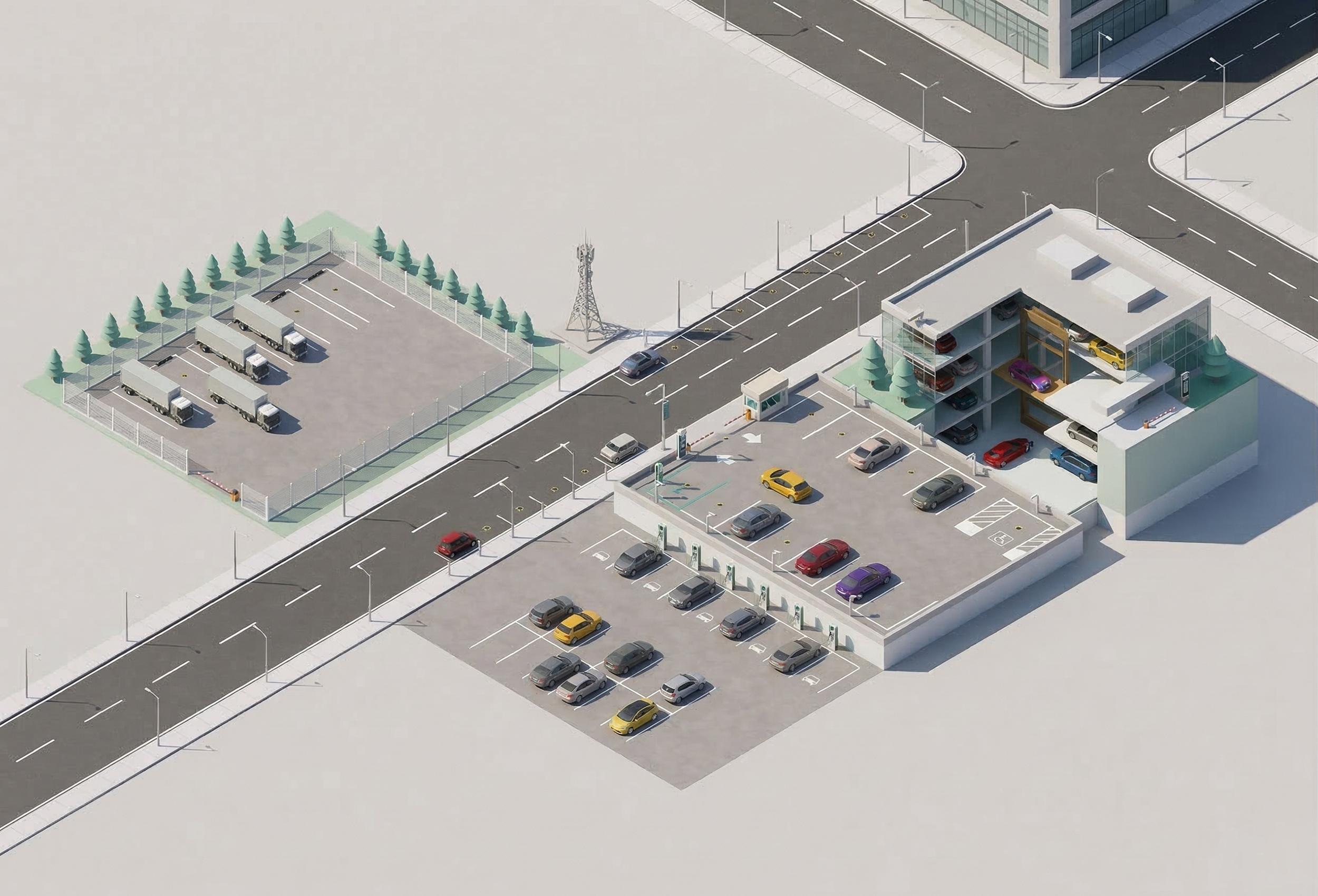
From field sensing to operational decisions.
Parking teams usually fight these problems:
Drivers circle because space status is unclear
Violations depend on slow manual patrols
Reserved spaces require staff intervention
Entrance and guidance systems do not share the same data
Give operators a live view of space status.
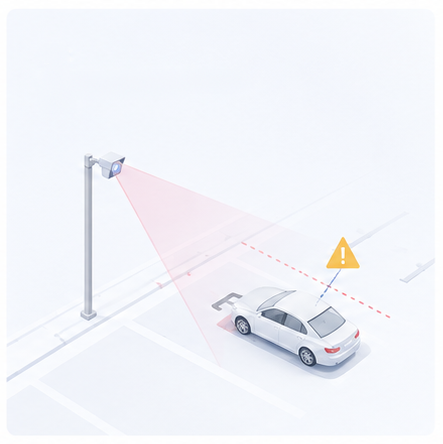
Surface violations earlier and reduce patrol guesswork.
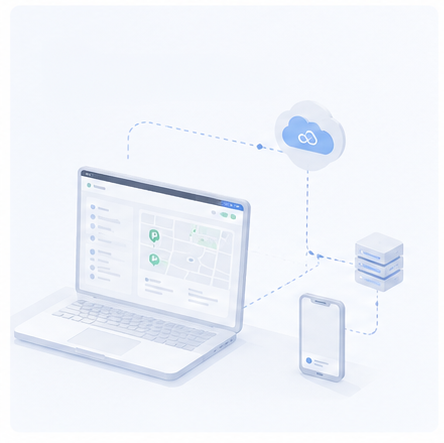
Link sensing, access, displays, and backend systems.
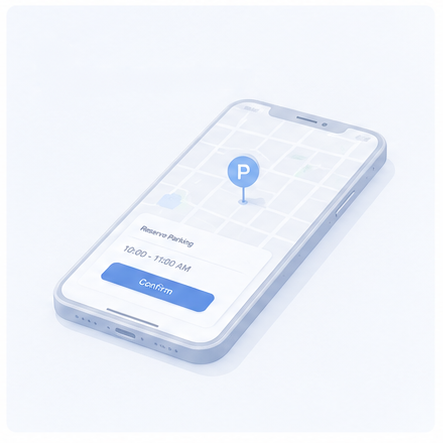
Extend live parking data into guidance, comparison, and reservation experiences.

Water risk/Drivers still circling for spaces?
Without live occupancy, drivers circle and operators lack a reliable view of demand and turnover.

Occupancy/Violations still depend on patrols?
Manual patrols make illegal parking and overtime stays slow, costly, and inconsistent to enforce.
Problem
Manual patrols make illegal parking and overtime stays slow, costly, and inconsistent to enforce.
Solution
Occupancy sensing, C01 edge vision, and rules flag abnormal use earlier with event evidence.
Impact
Teams reduce patrol effort and standardize violation handling.
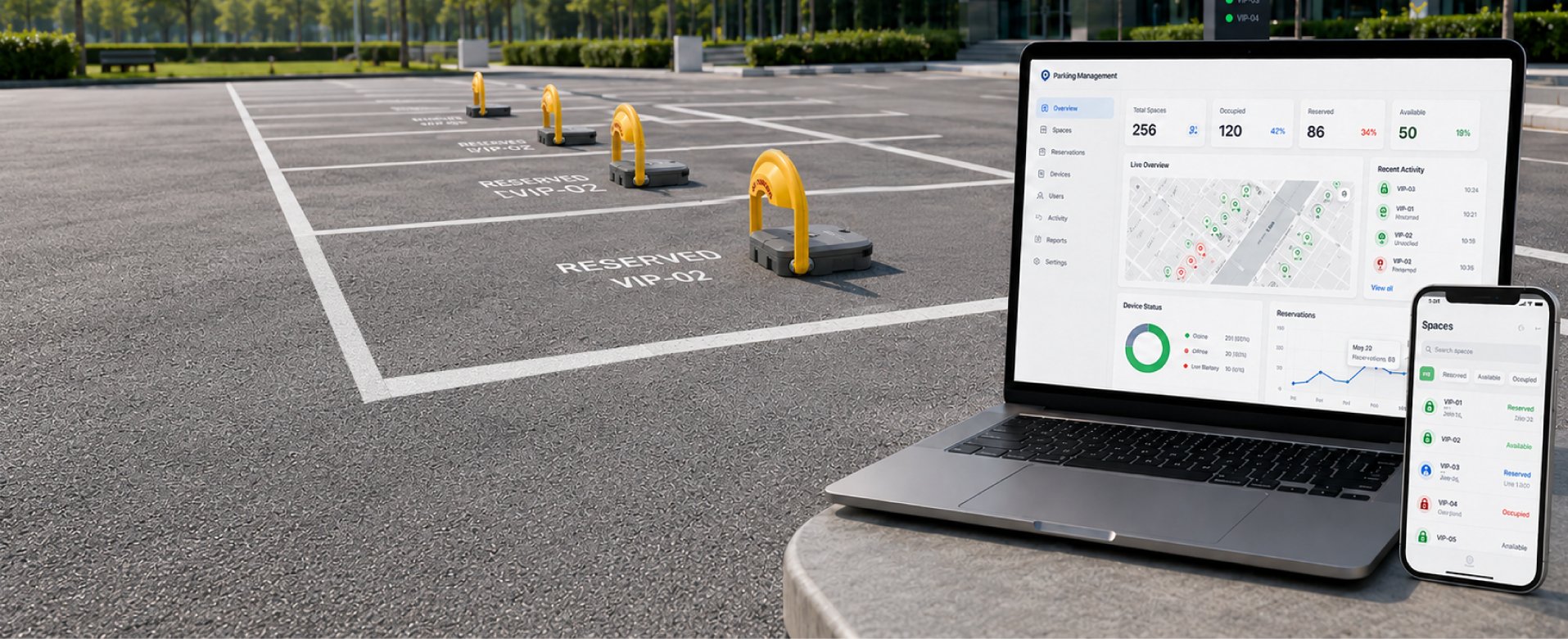
Access rule/Reserved bays still get occupied?
Visitor, VIP, or employee spaces create disputes when status and authorization are unclear.
Problem
Visitor, VIP, or employee spaces create disputes when status and authorization are unclear.
Solution
P09 locks, space sensing, and authorization rules keep reserved spaces visible and controlled.
Impact
Reserved parking becomes more reliable, digital, and service-friendly.
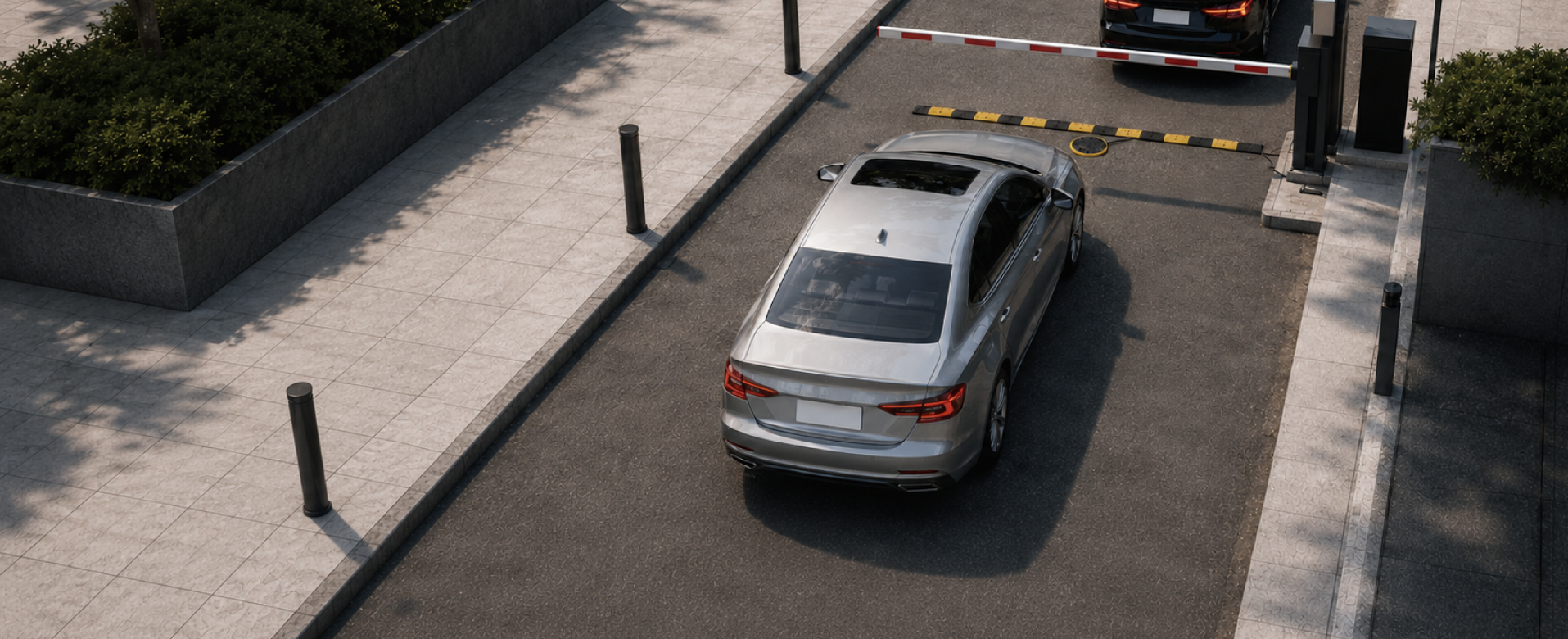
Access flow/Entrances still queue or misread vehicles?
Manual checks and disconnected access systems create queues, false triggers, and exception work.
Problem
Manual checks and disconnected access systems create queues, false triggers, and exception work.
Solution
P05 detection, recognition, access rules, and backend data create a steadier entrance flow.
Impact
Sites reduce verification work and improve driver movement through access points.
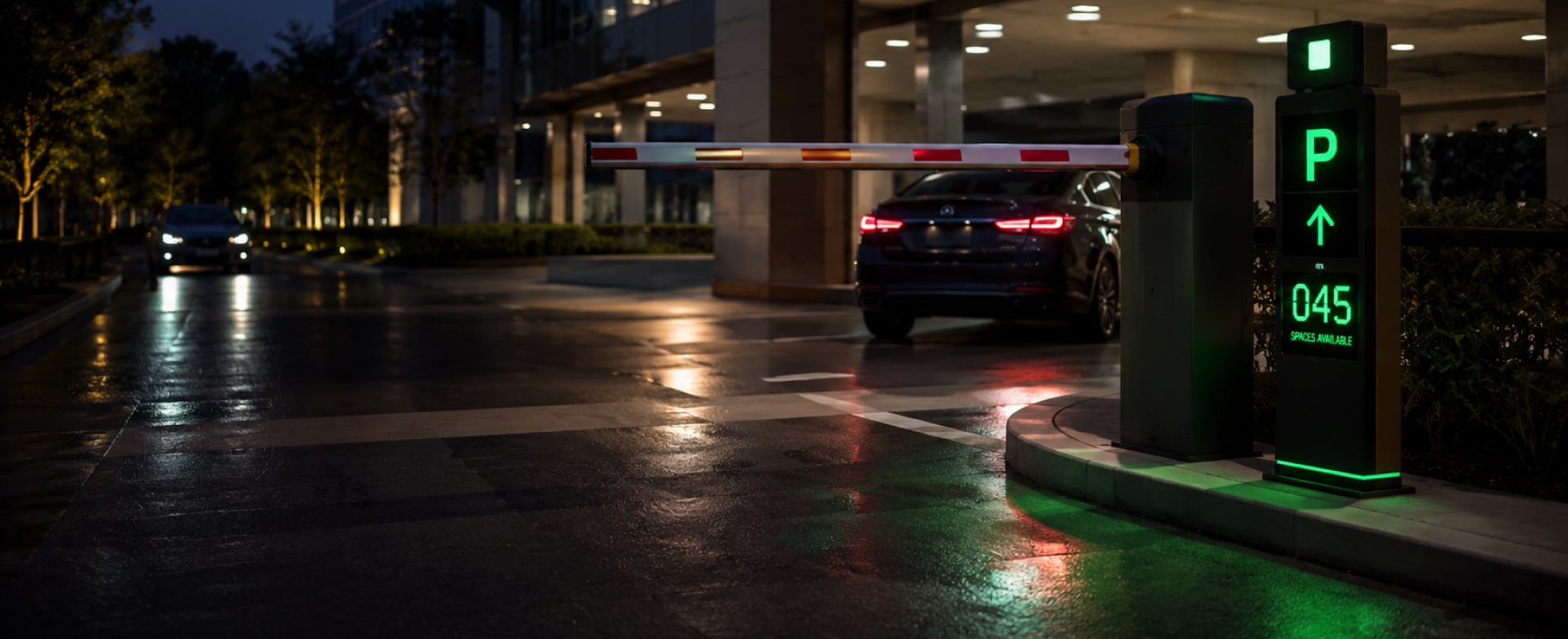
Water risk/Drivers still search after entering?
After entry, weak guidance creates circulation, congestion, and poor use of available capacity.
Problem
After entry, weak guidance creates circulation, congestion, and poor use of available capacity.
Solution
Space indicators, zone displays, and vacancy boards direct drivers to open spaces faster.
Impact
Search time falls and facility traffic becomes easier to manage.

Occupancy/Complex parking rules hard to enforce?
EV, loading, accessible, and restricted bays need more precise rules than standard spaces.
Problem
EV, loading, accessible, and restricted bays need more precise rules than standard spaces.
Solution
Sensing, recognition, guidance, and platform rules manage each space type consistently.
Impact
Operators improve utilization and build cleaner data for multi-site planning.
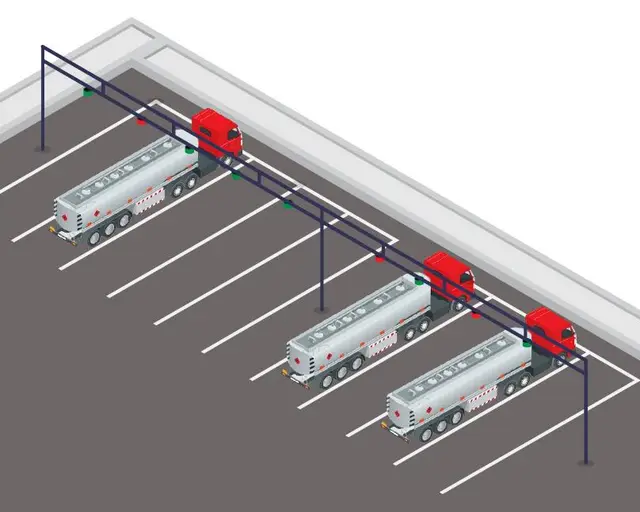
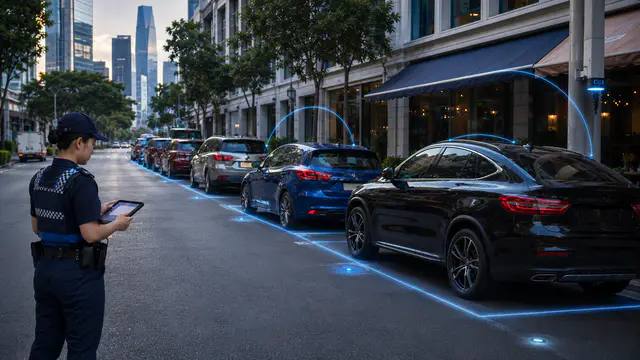
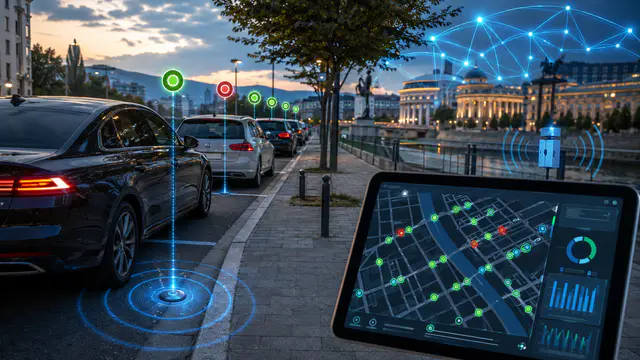
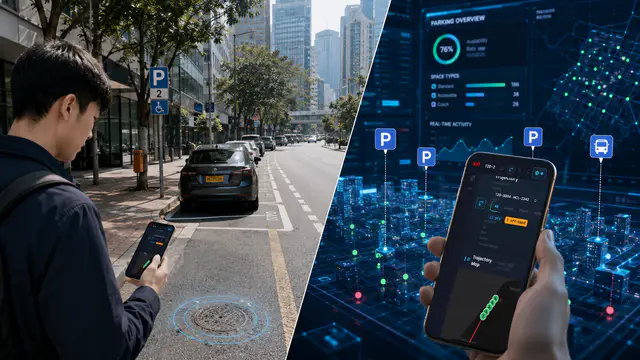
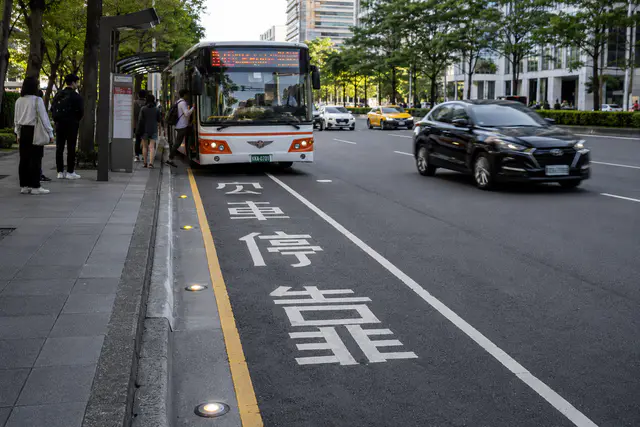
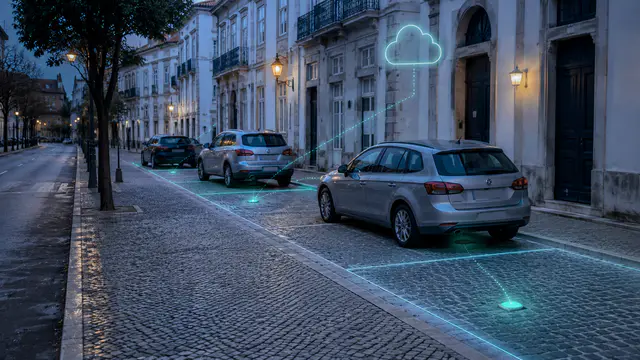
Real cases and nearby field scenarios that show where this setup makes sense.

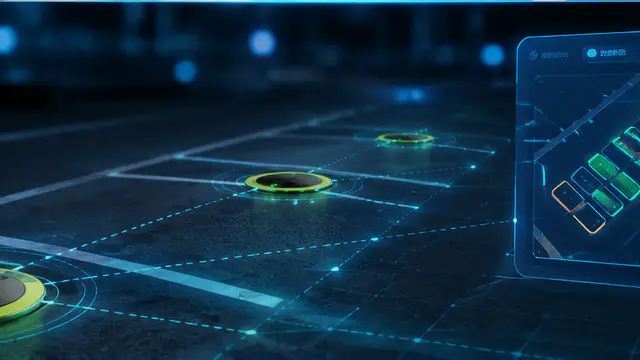
The hardware, gateway, and platform pieces that turn the workflow into a working system.
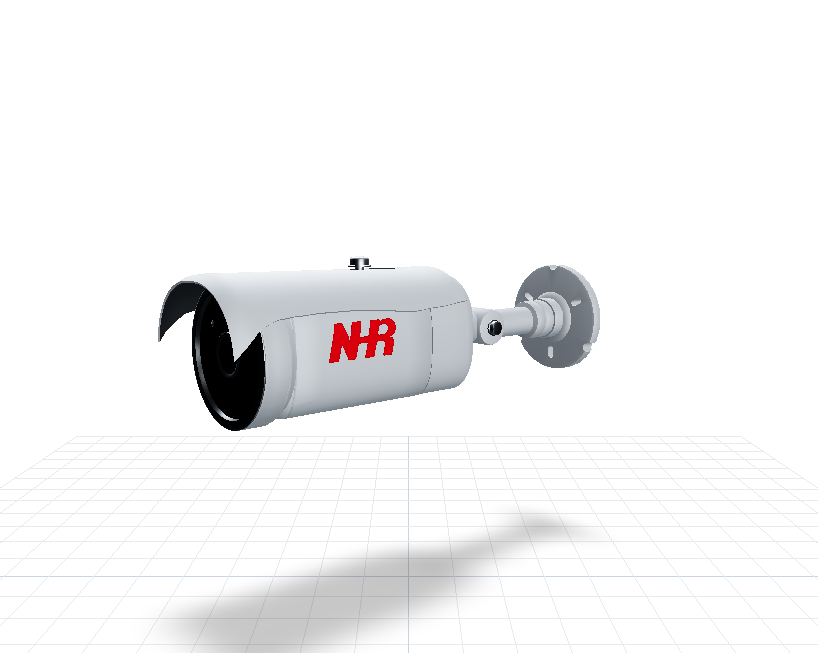 C01-AAIoT EDGE-ANALYTICS CAMERA
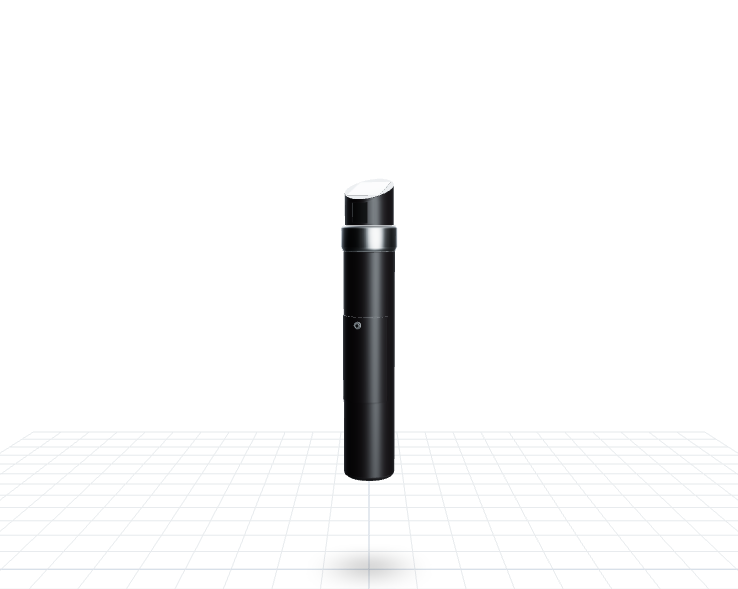 C02GROUND-MOUNTED AIoT EDGE ANALYTICS CAMERA
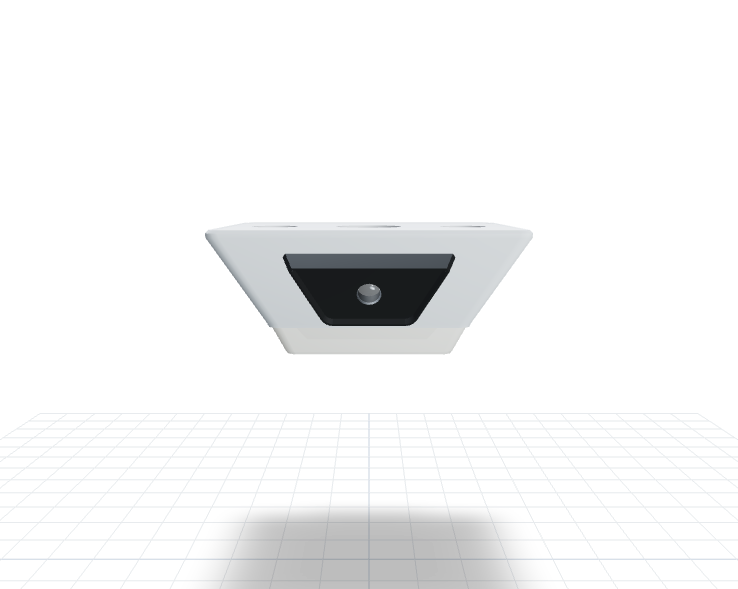 C03CEILING-MOUNTED EDGE AI MULTI-SPACE PARKING CAMERA
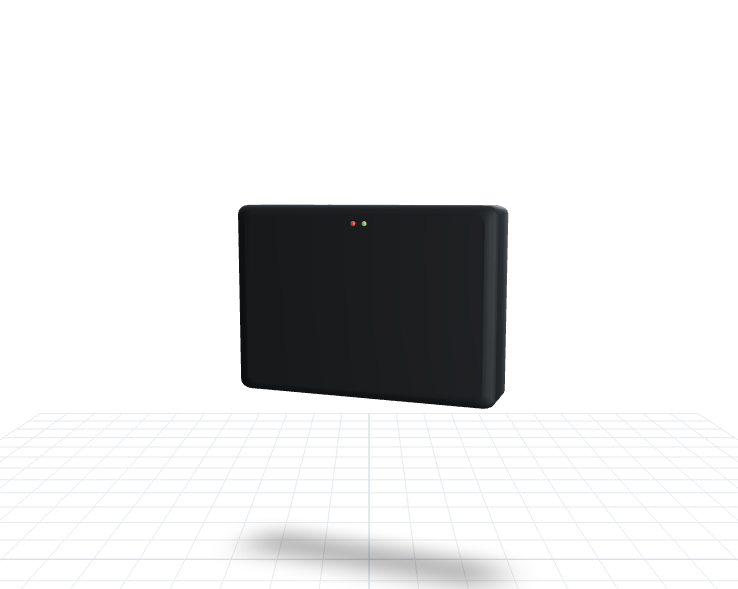 IVT-01IN-VEHICLE SENSOR RFID
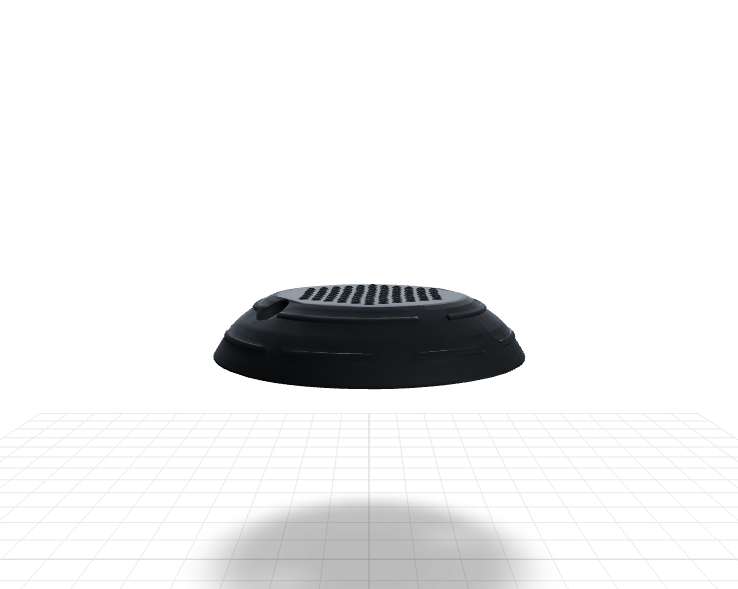 P01ON-GROUND SMART PARKING SENSOR
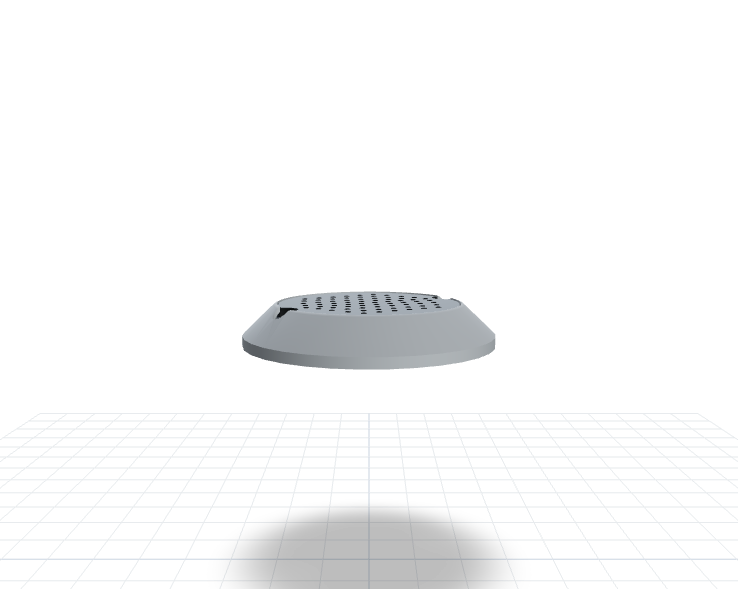 P03ON-GROUND SMART WIRED ENTRANCE BARRIER DETECTOR
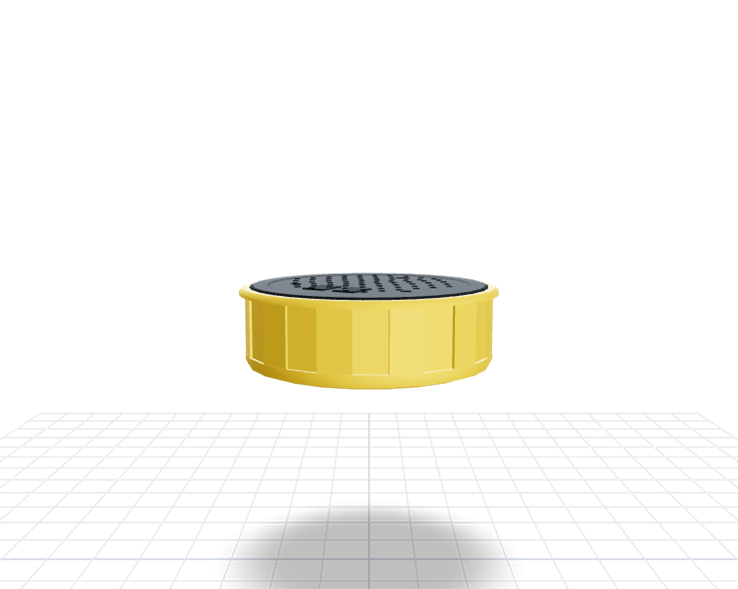 P05IN-GROUND SMART ENTRANCE BARRIER DETECTOR
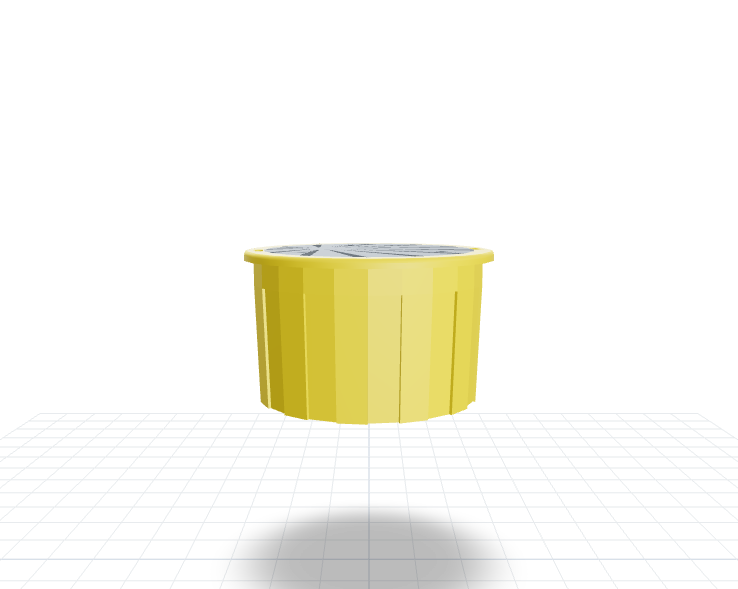 P08IN-GROUND PARKING SENSOR
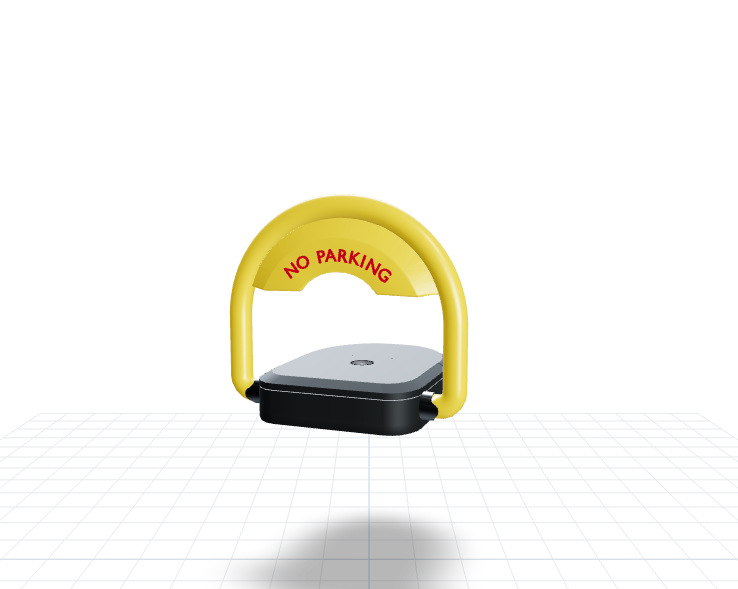 P09IOT SMART PARKING LOCK
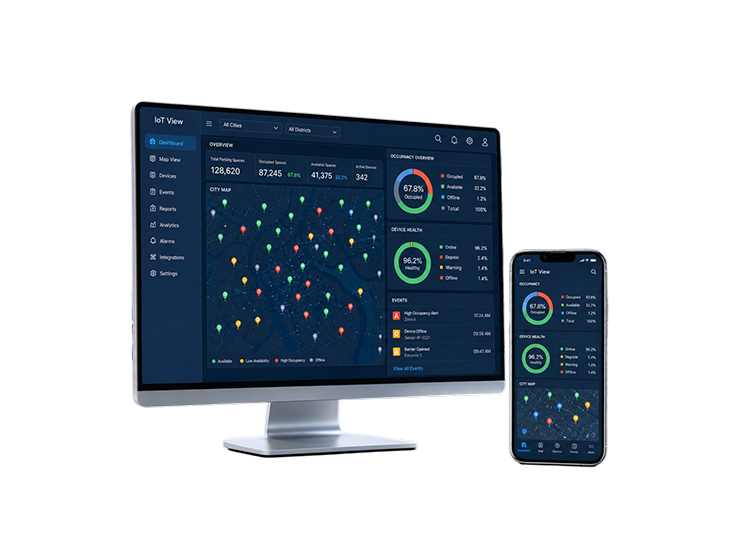 IOT-VIEWIoT View SMART PARKING AIoT MANAGEMENT PLATFORM
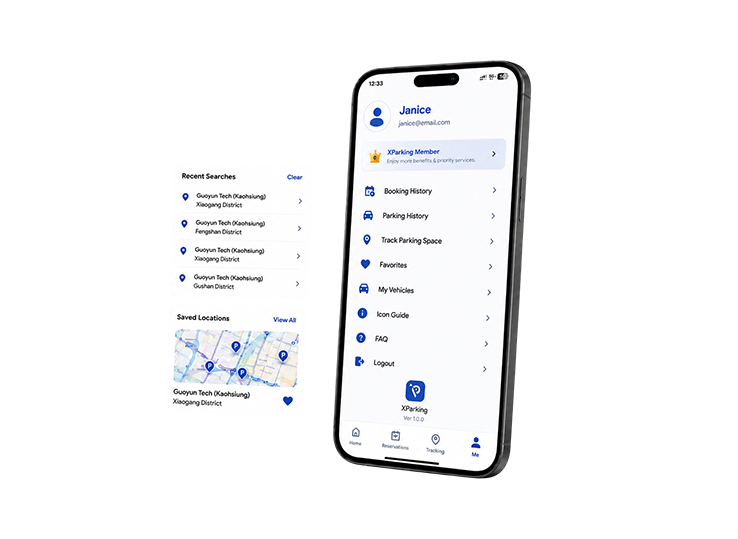 XPARKINGSMART PARKING APP
No. Most projects start with one zone, entrance, or rule workflow and expand after validation.
Yes. Rules can be shaped around VIP, visitor, EV, loading, or restricted spaces.
Yes. Occupancy and event data can be integrated into backend platforms or driver-facing services.
No. The right mix depends on the site layout, surface type, and management goal.
Talk to NHR
Tell us where the site gets messy today. We can help define the right sensing, enforcement, and guidance path.