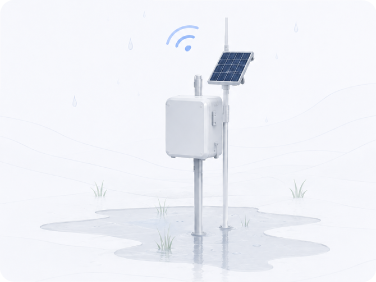
Earlier warning
Catch level, tilt, and environmental changes before they become incidents.
Flooding, slope movement, and field conditions rarely wait for the next inspection round.
Monitor water, field, and outdoor conditions early enough for teams to respond before weather or site risk turns into damage.
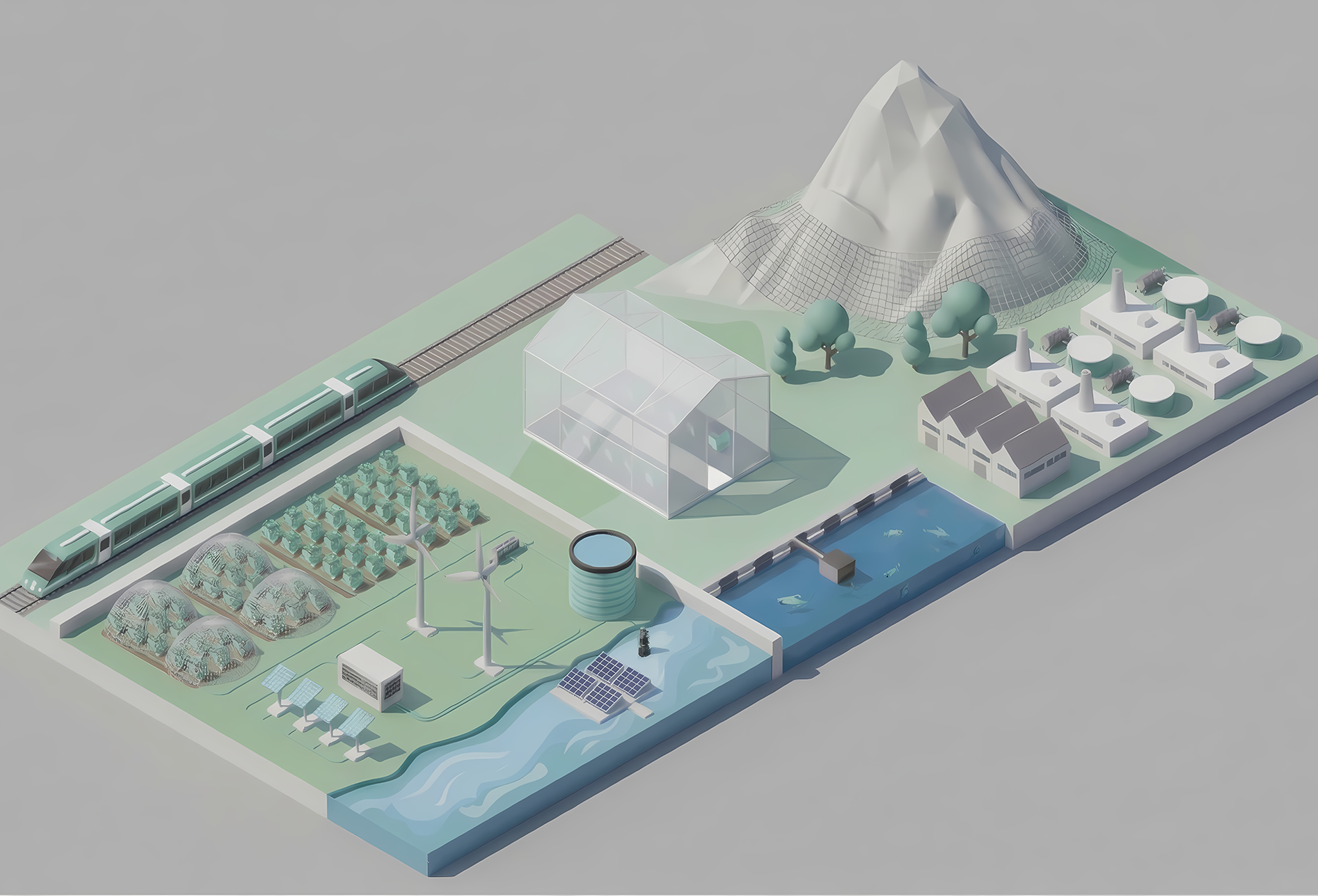
From field sensing to operational decisions.
The field conditions that cause blind spots:
Manual inspection leaves long gaps between checks
Remote, wet, or underground sites are hard to power and wire
Field data does not reach response teams fast enough
Local soil, water, and microclimate changes are easy to miss
Catch level, tilt, and environmental changes before they become incidents.
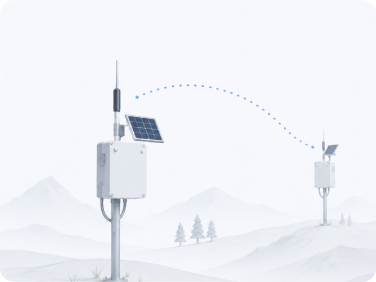
Use low-power wireless options in remote or difficult sites.
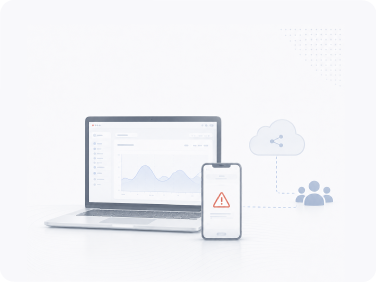
Connect field readings to the teams that need to act.
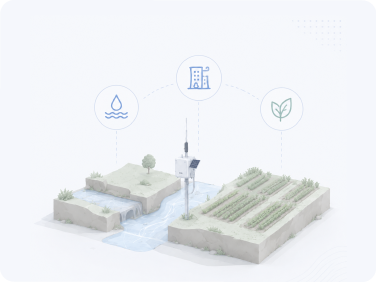
Start with flood or infrastructure risk, then extend to agriculture and environment workflows.
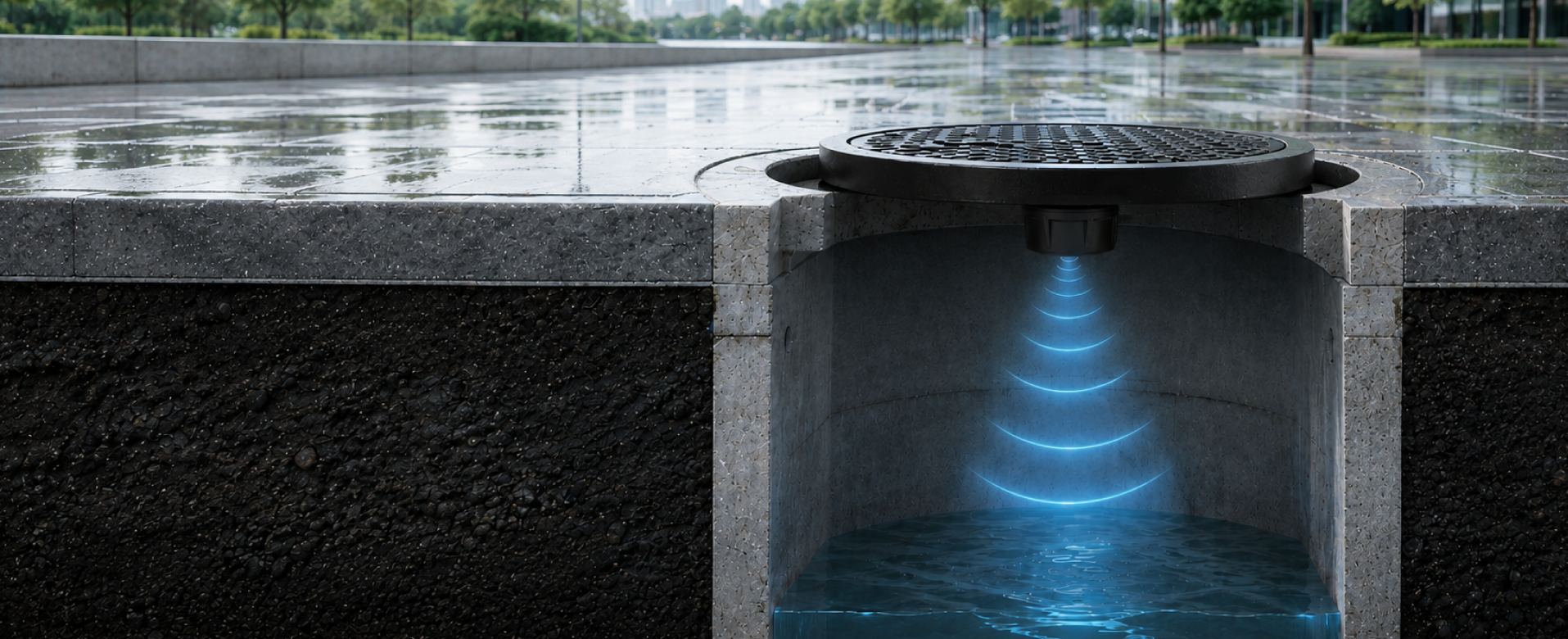
Water risk/Heavy rain moving faster than inspection?
Heavy rain or tidal backflow can outpace scheduled checks and delay pumping, closures, and warnings.
Problem
Heavy rain or tidal backflow can outpace scheduled checks and delay pumping, closures, and warnings.
Solution
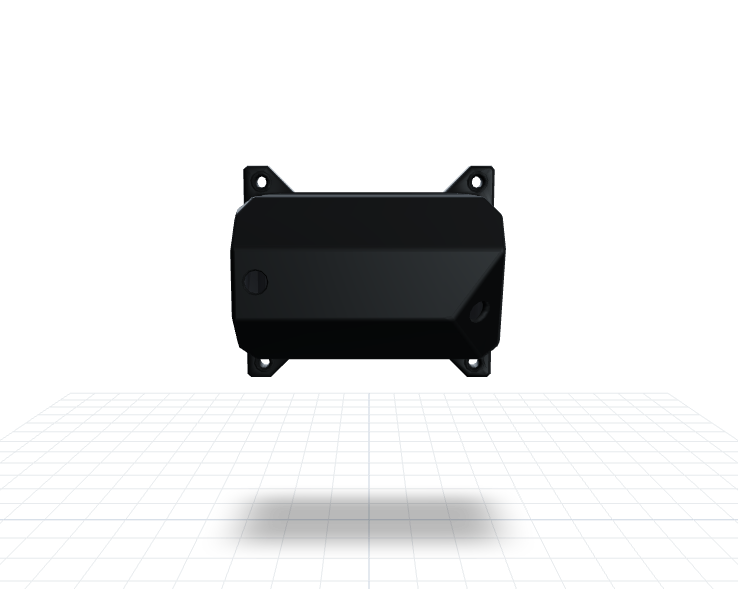
H01 water-level and tilt sensors track abnormal rise, pooling trends, and risk hotspots continuously.
Impact
Flood teams gain earlier warning and more time to respond before conditions escalate.
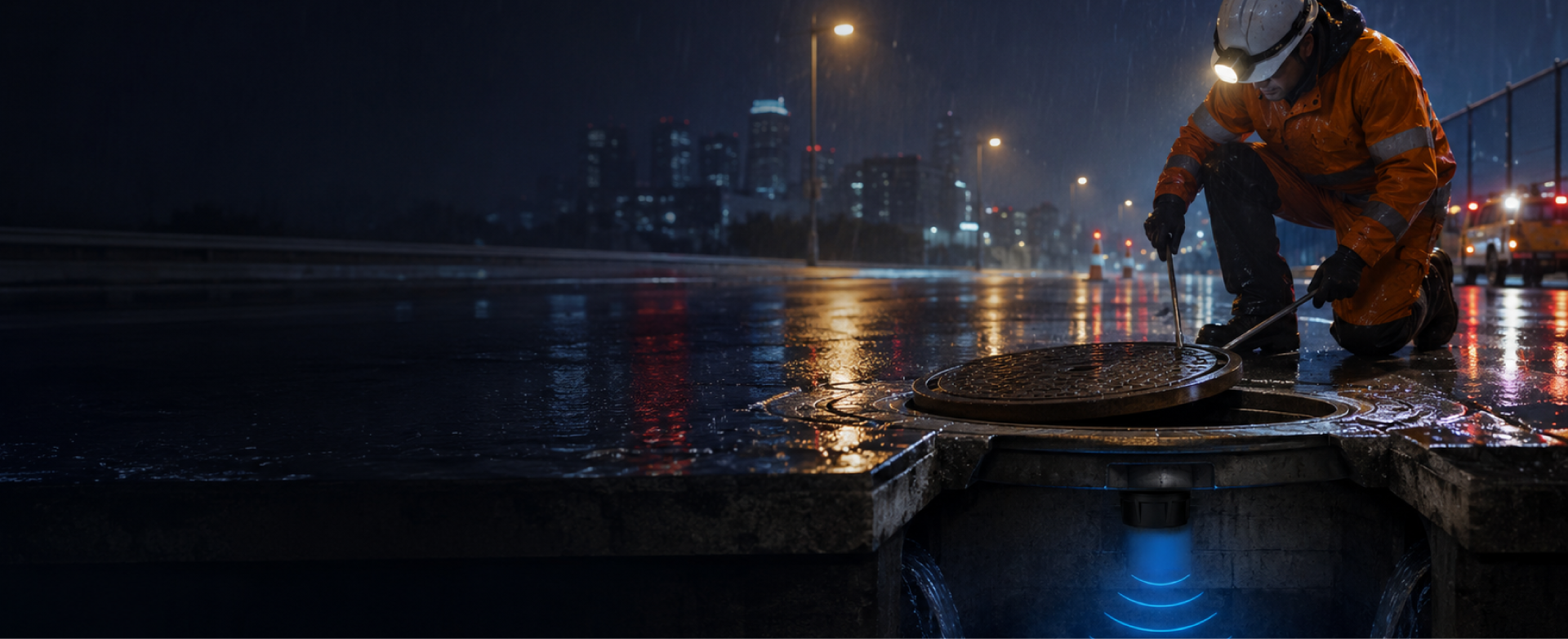
Water risk/Manholes too risky to inspect manually?
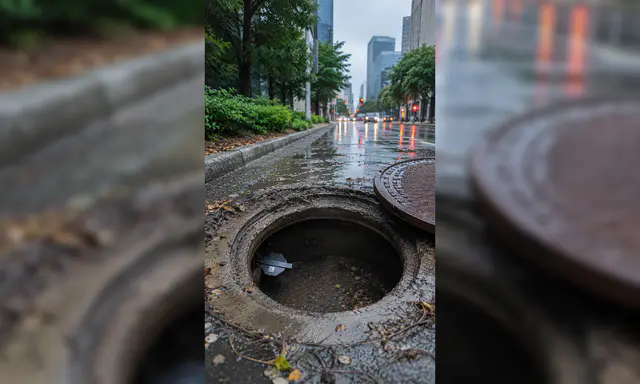
Manual manhole checks are slow, risky, and hard to perform during storms or at night.
Problem
Manual manhole checks are slow, risky, and hard to perform during storms or at night.
Solution
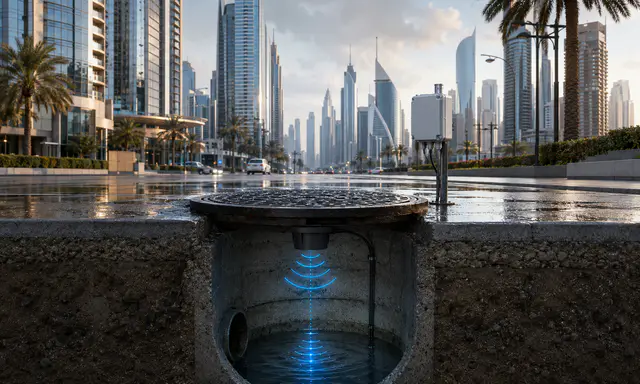
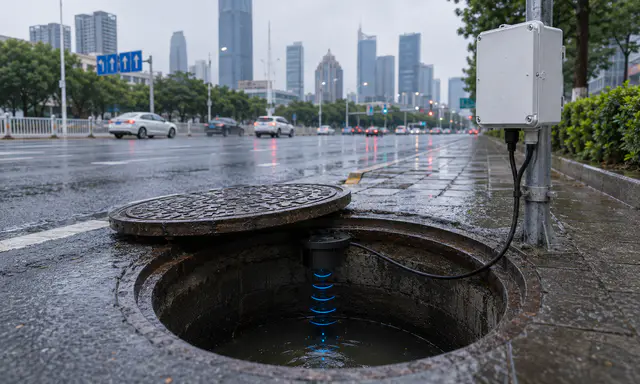
H01 monitors underground level, cover tilt, displacement, or loss through low-power wireless links.
Impact
Teams get earlier drainage and safety alerts without opening covers for every check.
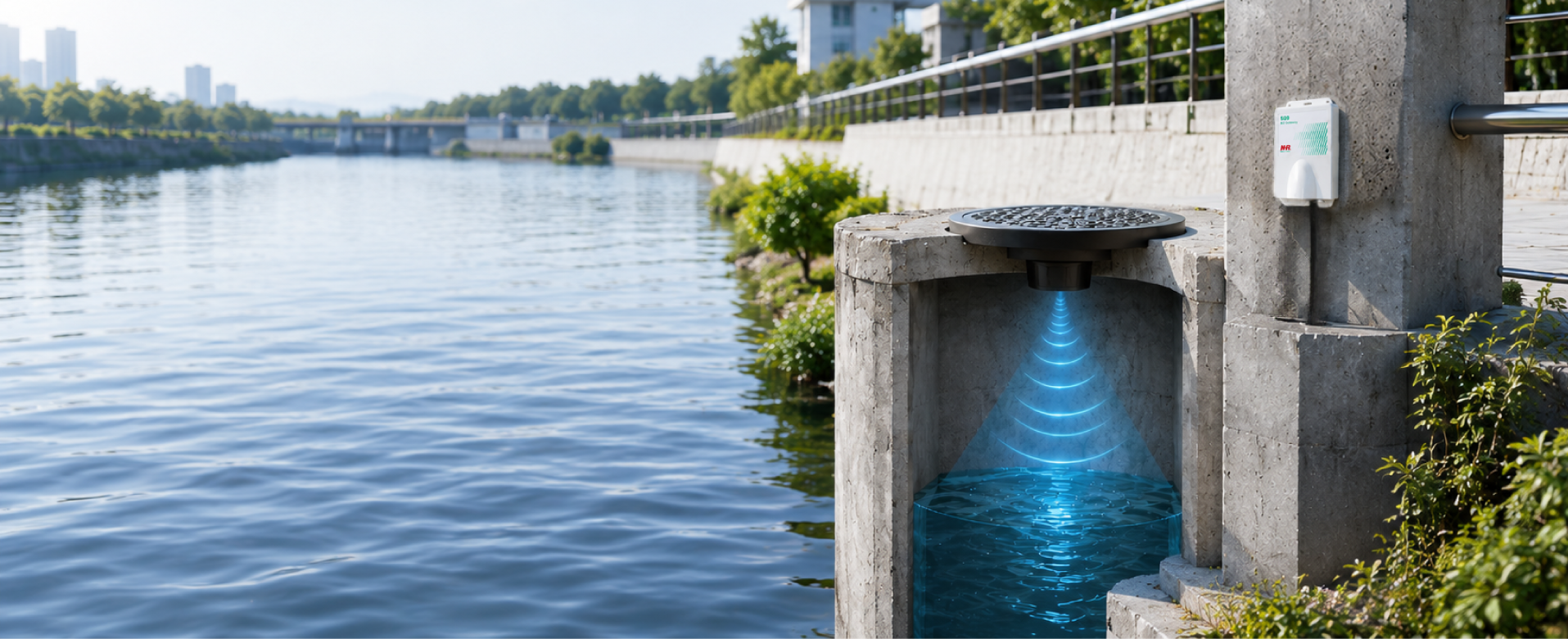
Water risk/Remote water points hard to check?
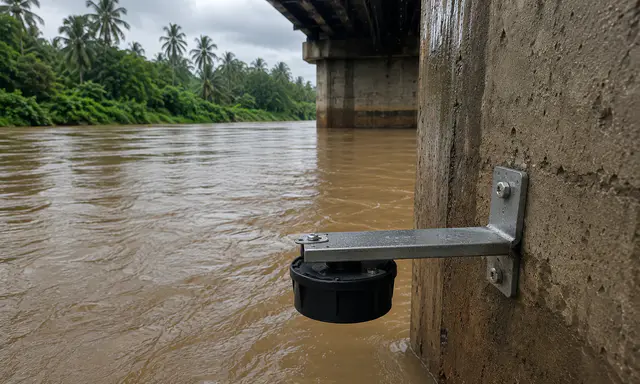
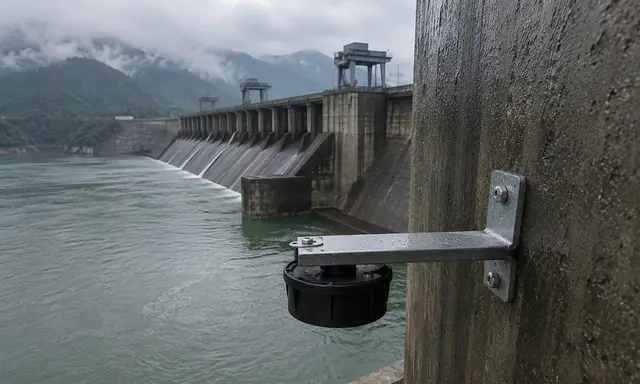
River, reservoir, and dam points are often remote, elevated, and hard to power or reach.
Problem
River, reservoir, and dam points are often remote, elevated, and hard to power or reach.
Solution
H01, S09, and solar or battery options support long-duration remote water-level monitoring.
Impact
Managers gain safer, more continuous visibility for flood response and dam operations.
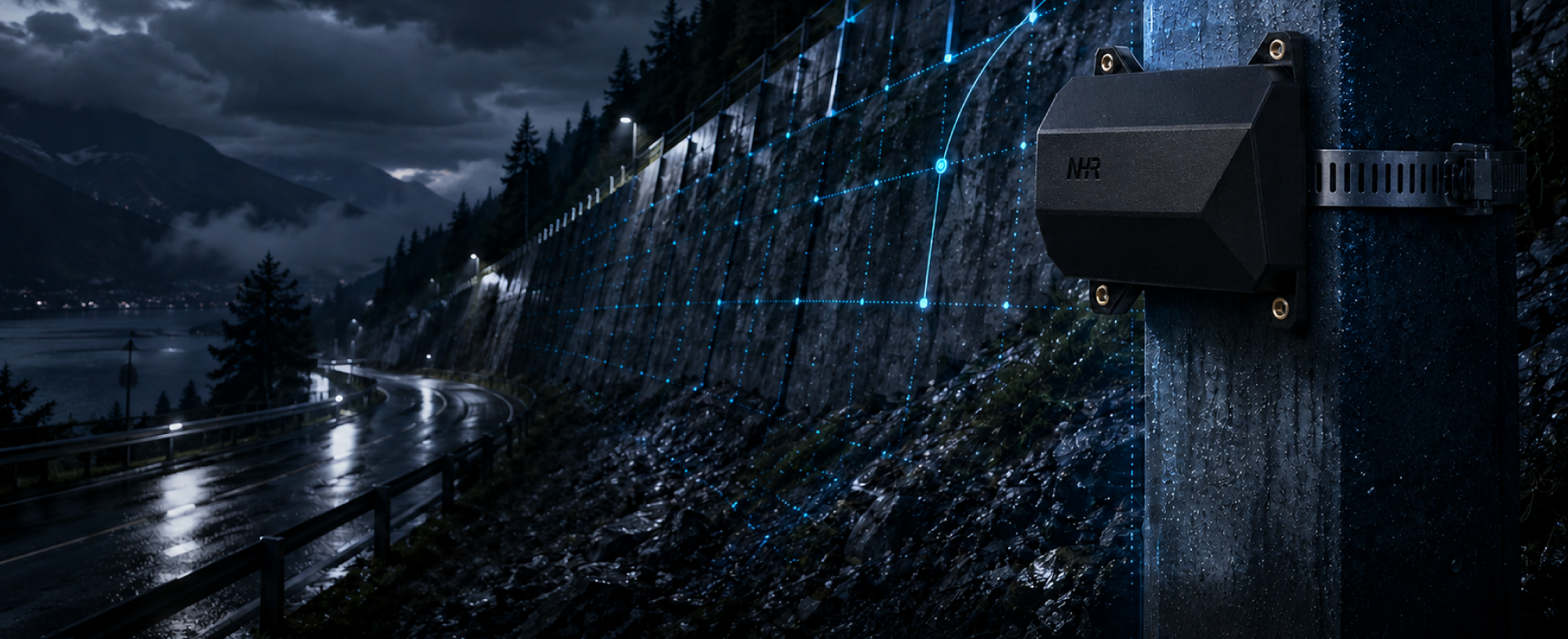
Stability/Movement noticed only after failure?
Slope movement, tree tilt, and structural displacement can develop slowly before becoming unsafe.
Problem
Slope movement, tree tilt, and structural displacement can develop slowly before becoming unsafe.
Solution
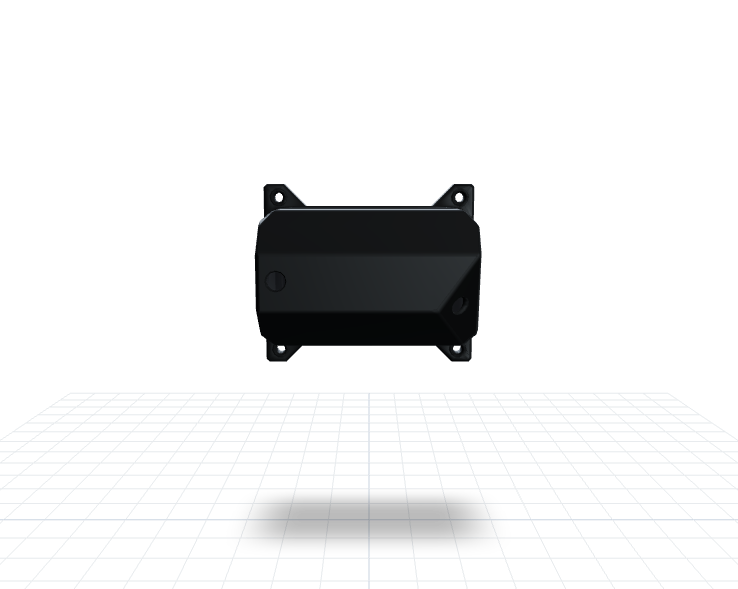
M20 tilt sensors track angle changes wirelessly with configurable thresholds.
Impact
Teams can spot instability earlier and plan preventive action before failure.
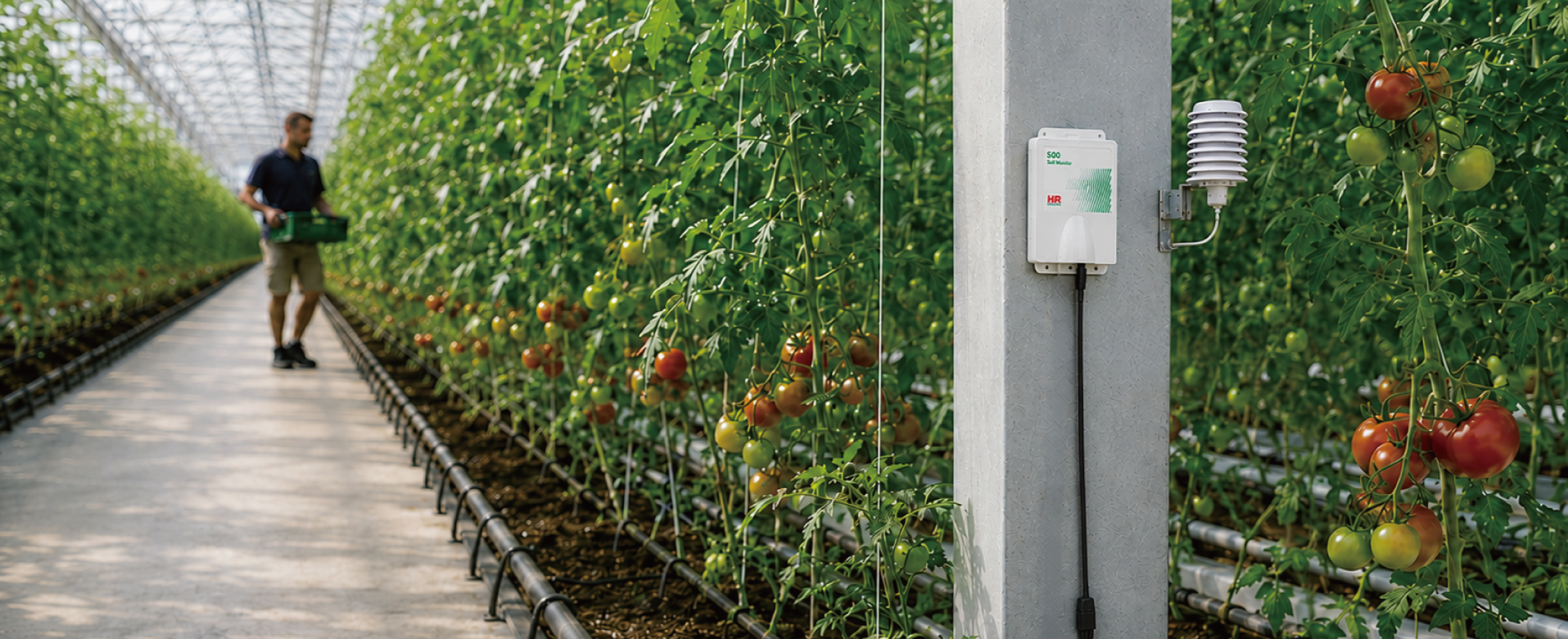
Field sensing/Crops still managed by guesswork?
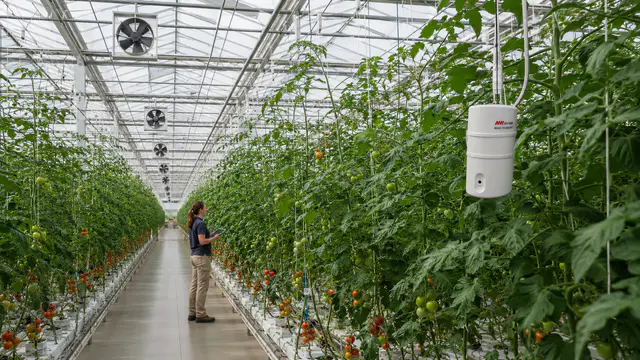
Greenhouses, farms, and aquaculture sites can shift quickly in temperature, humidity, light, or soil condition.
Problem
Greenhouses, farms, and aquaculture sites can shift quickly in temperature, humidity, light, or soil condition.
Solution
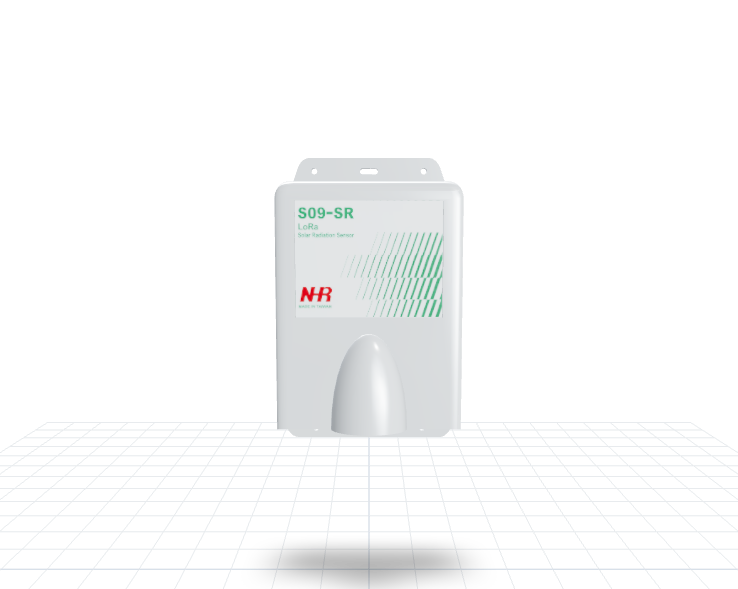
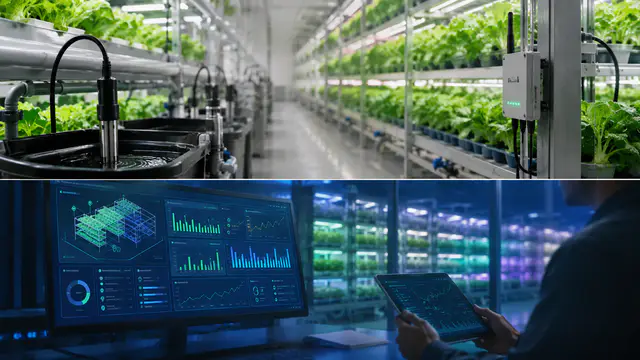
S09 connects PAR, atmospheric, and soil sensors into one field monitoring layer.
Impact
Growers can adjust irrigation, shading, and care with better local evidence.
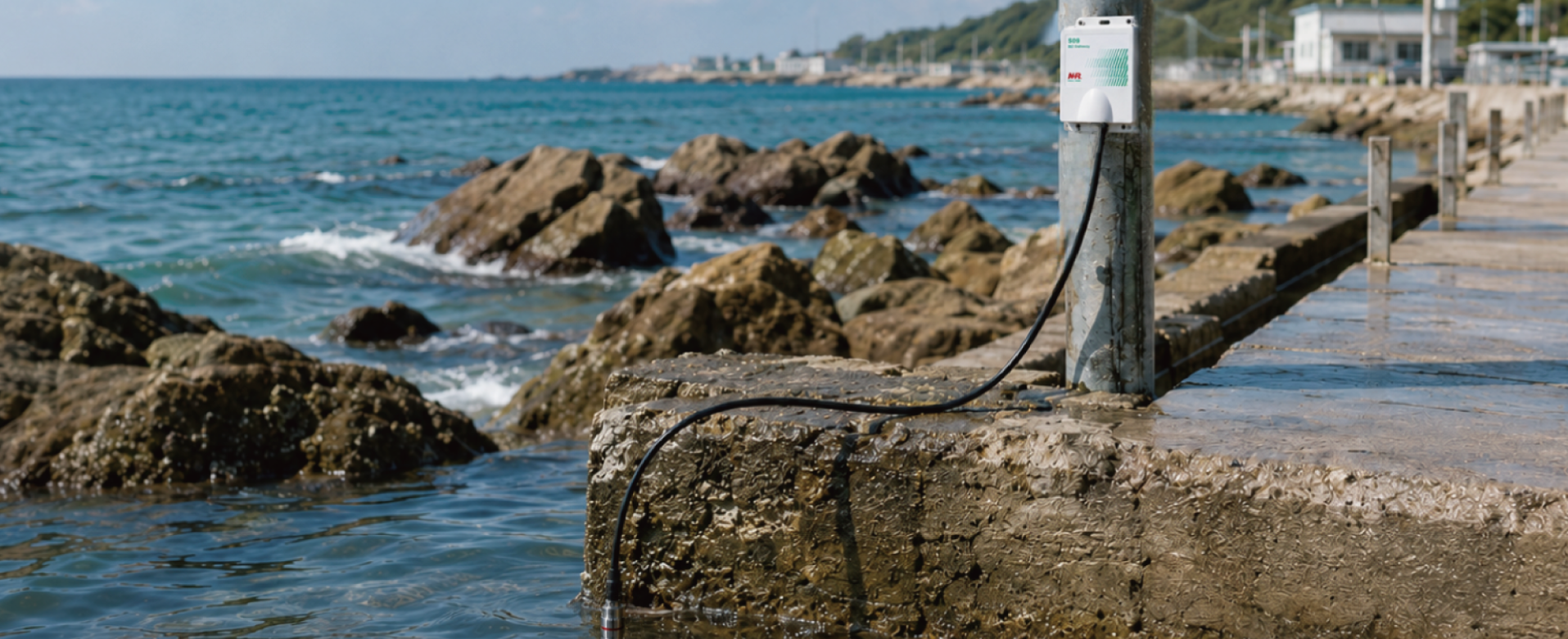
Water risk/Local variation hidden across large sites?
Large fields and ponds often have uneven soil, water, and microclimate conditions.
Problem
Large fields and ponds often have uneven soil, water, and microclimate conditions.
Solution
S09 links soil, weather, pH, and water sensors into denser observation coverage.
Impact
Teams can tune irrigation, feeding, and resource use by zone instead of guessing.
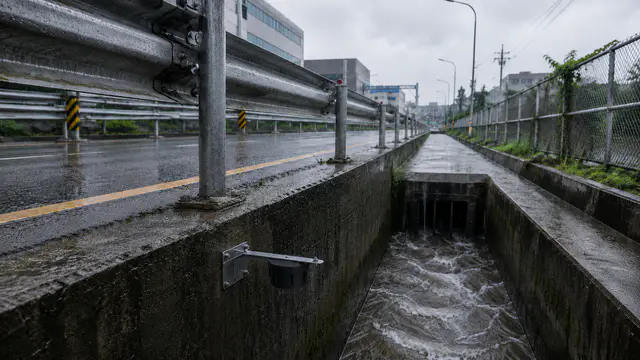
Real cases and nearby field scenarios that show where this setup makes sense.
The hardware, gateway, and platform pieces that turn the workflow into a working system.
Yes. Low-power wireless options can reduce the need for fixed power and cabling.
No. It also fits manholes, dams, slopes, trees, farms, greenhouses, and aquaculture sites.
Yes. Readings and events can be routed into existing workflows or alert channels.
Start where manual inspection is risky, slow, or too late to prevent damage.
Talk to NHR
Tell us which field condition is hardest to see today. We can help plan the first monitoring layer.