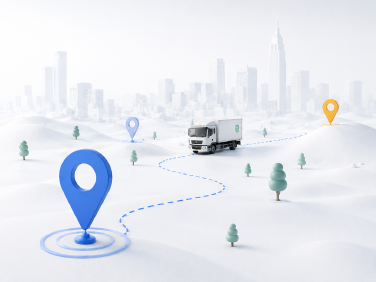
Live visibility in transit
Know where assets are and whether conditions stay within range.
Logistics teams do not need another dashboard. They need reliable answers while cargo, vehicles, and high-value assets are between sites.
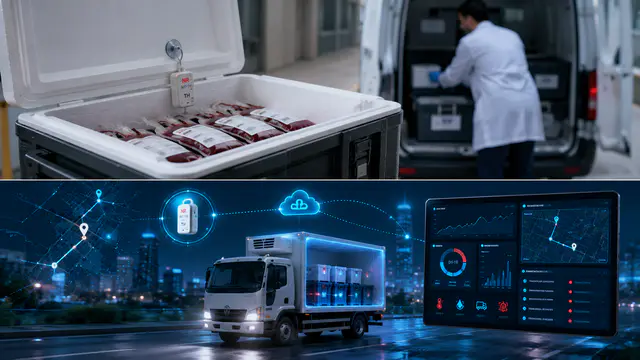
Track goods, cold-chain conditions, and mobile assets while they are still moving, not after the problem has already arrived.
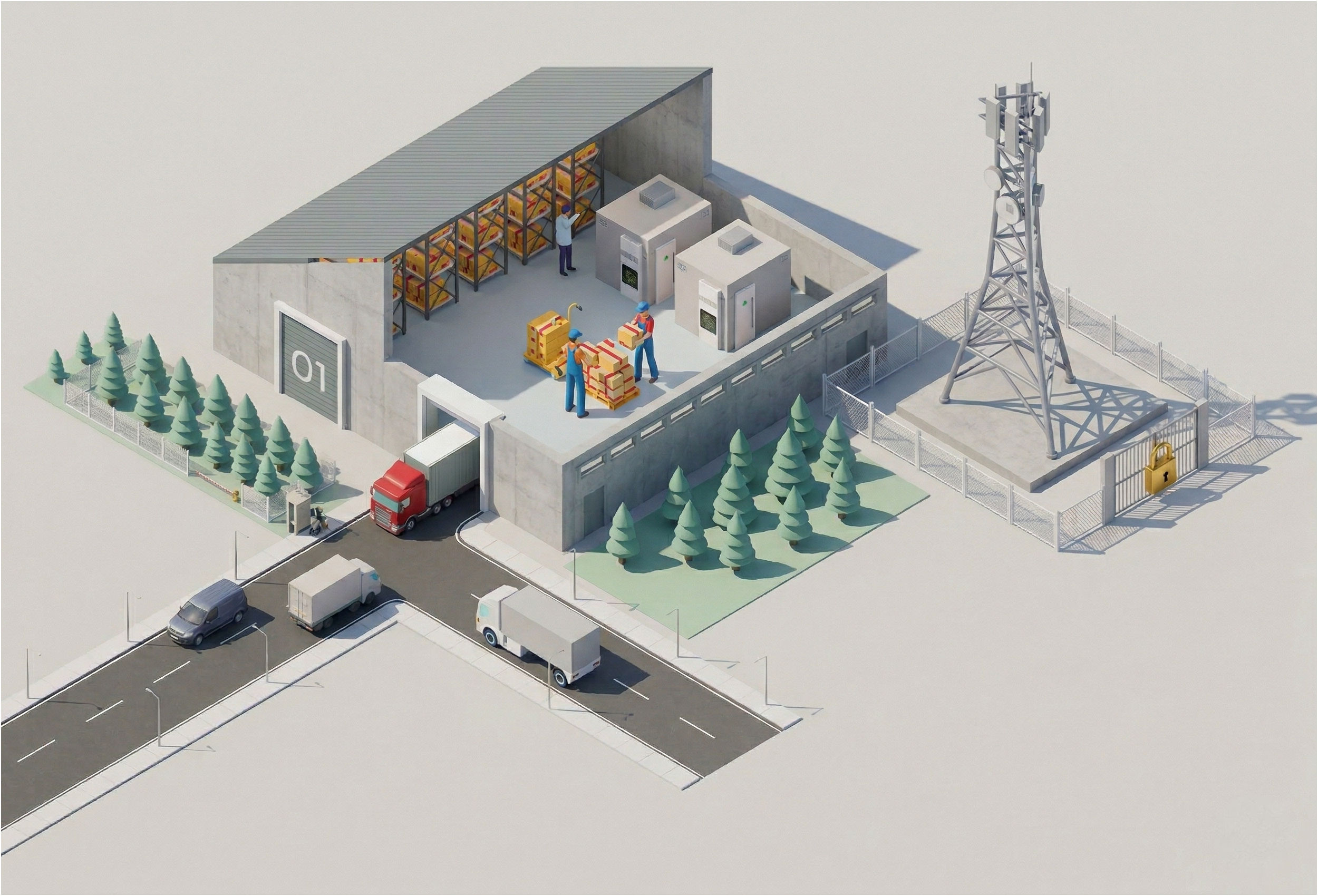
From field sensing to operational decisions.
Common blind spots we help remove:
Assets disappear from view once they leave the site
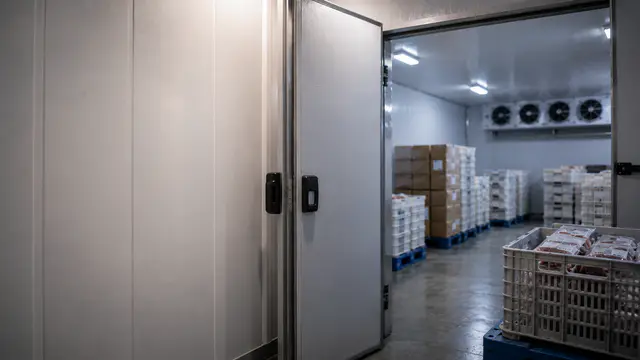
Cold-chain records are incomplete or found too late
Manual checks slow down dispatch and audits
Vehicle, warehouse, and asset data stay separated
Know where assets are and whether conditions stay within range.
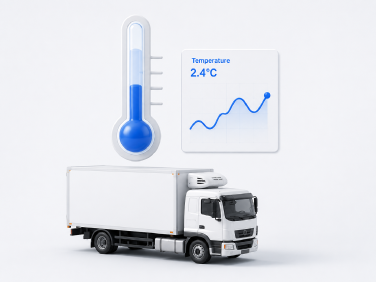
Keep temperature and humidity evidence ready before an exception becomes a dispute.
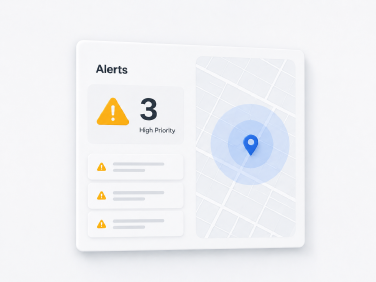
Use alerts and location data to focus teams on the assets that need attention.
Start with critical lanes or assets, then expand into warehouse and fleet workflows.
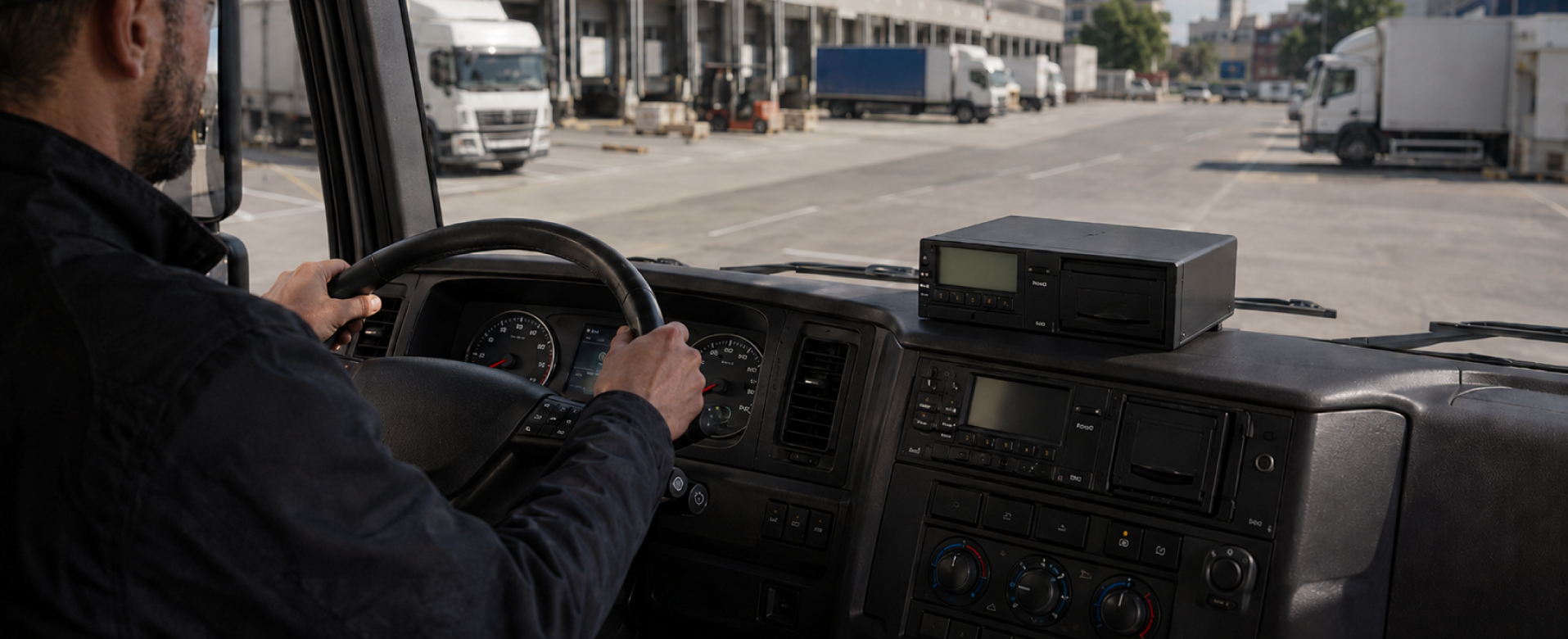
AI support/Cold-chain cargo still invisible in transit?
Without in-transit location data for cargo and vehicles, delays, abnormal dwell time, and accountability gaps surface only after arrival.
Problem
Without in-transit location data for cargo and vehicles, delays, abnormal dwell time, and accountability gaps surface only after arrival.
Solution
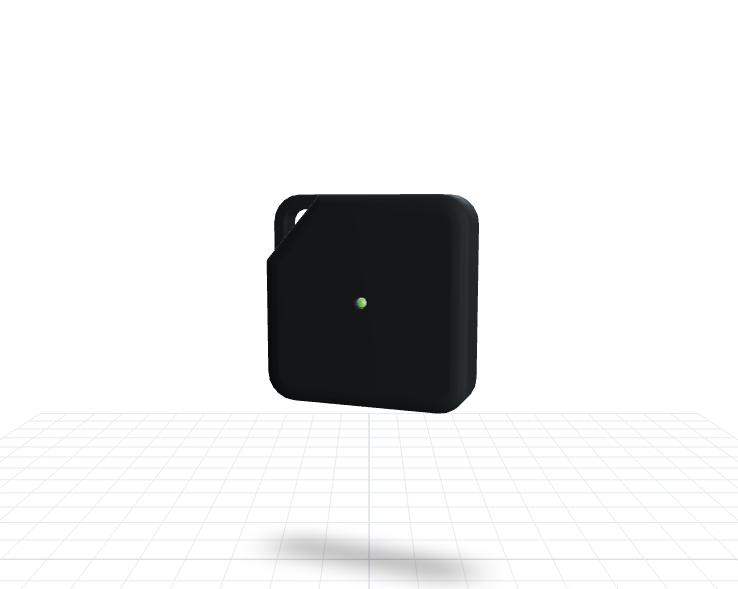
T20 trackers and IVT02 readers continuously report asset, vehicle, and route location so each transport handoff is easier to trace.
Impact
Teams detect delays and route exceptions earlier, reduce cargo-loss risk, and improve traceability.
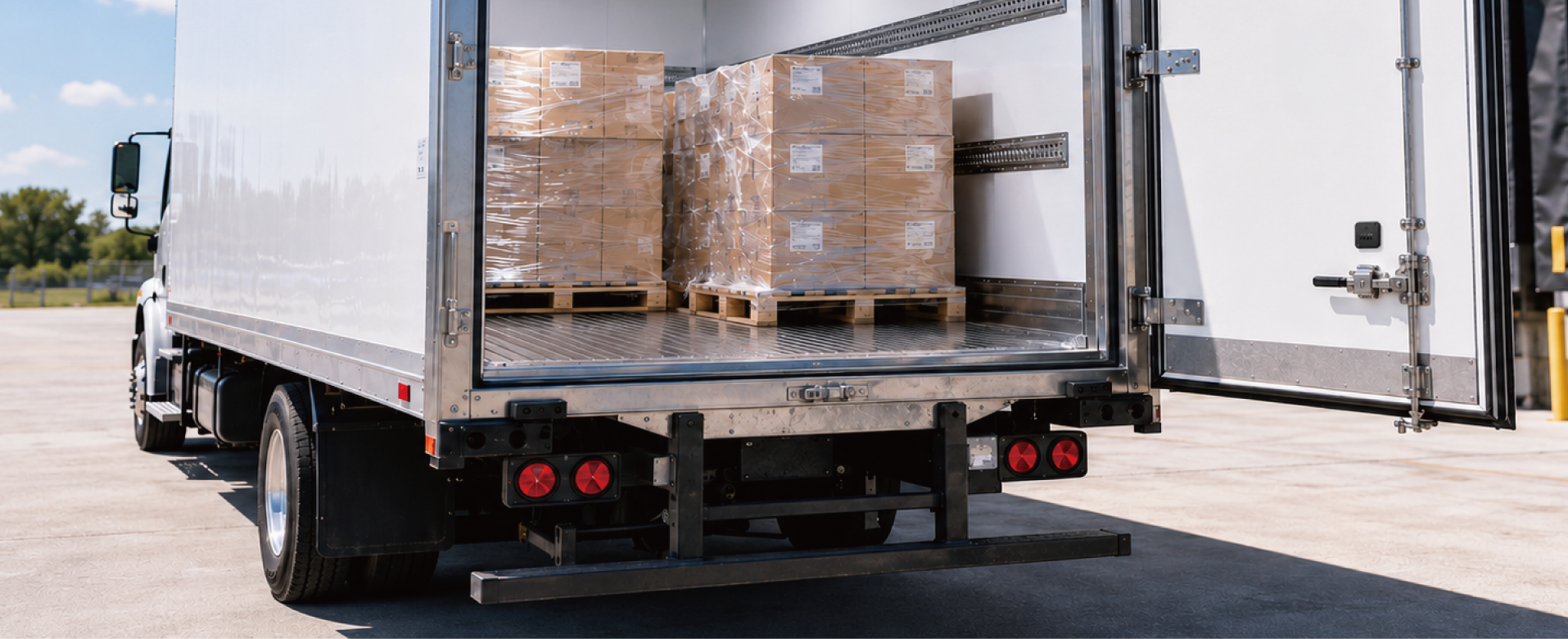
Asset movement/Warehouse asset movement still invisible?
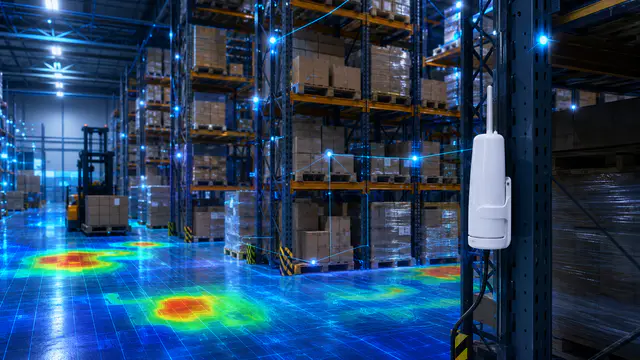
Manual inventory checks cannot reliably locate pallets, roll cages, and returnable containers moving between high-rack warehouses and cold rooms.
Problem
Manual inventory checks cannot reliably locate pallets, roll cages, and returnable containers moving between high-rack warehouses and cold rooms.
Solution
T20 uses BLE broadcasts and gateway networks to create asset-location and zone visibility with lower infrastructure requirements.
Impact
Teams find assets faster, reduce inventory and search time, and track movement between operating zones.
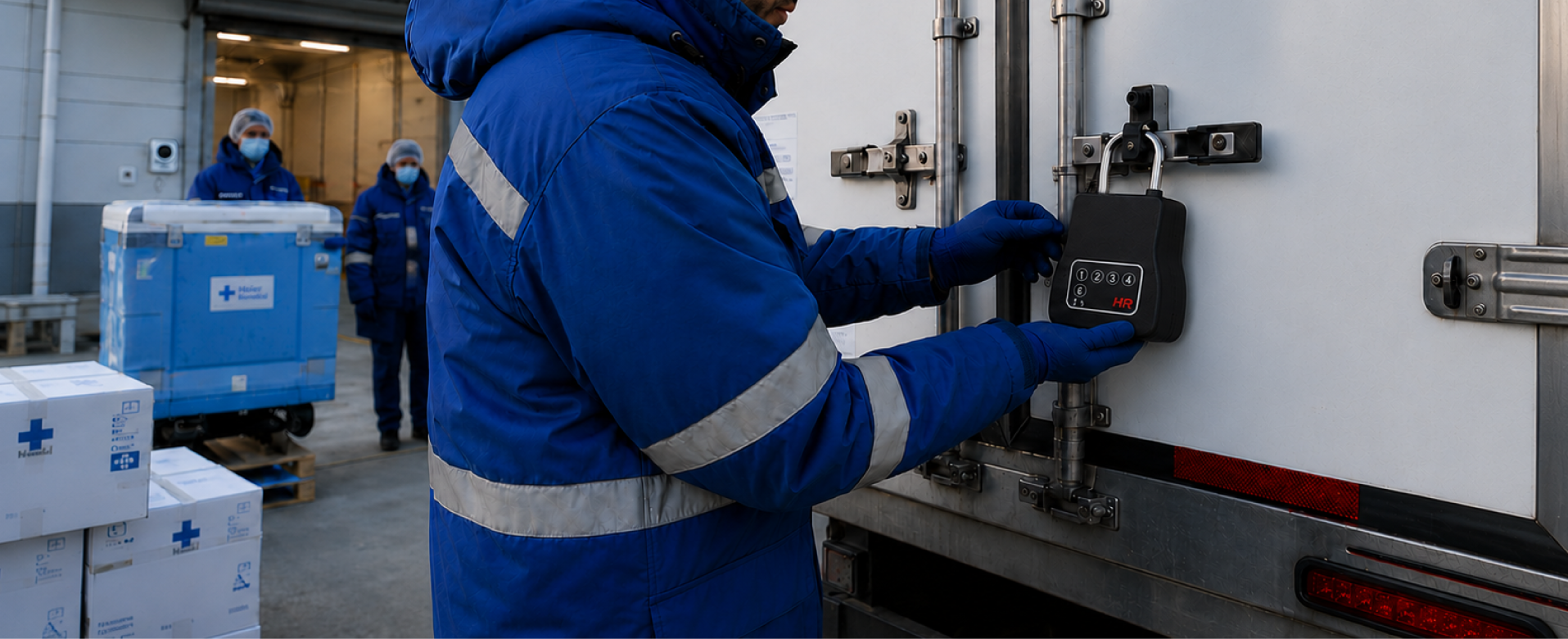
Safety/High-value assets disappear from view?
Manual barcode checks reveal lost, moved, or opened assets only after the fact.
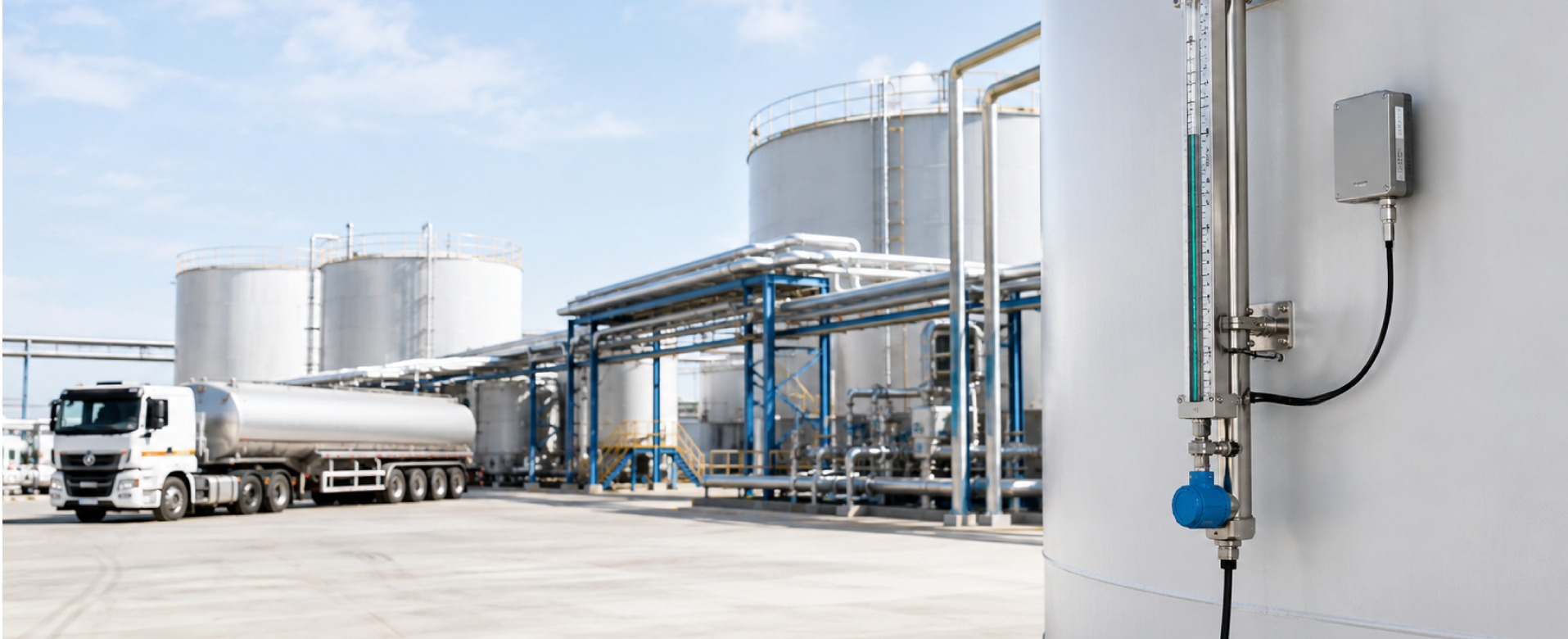
Liquid level/Replenishment starts when tanks are nearly empty?
Suppliers without remote tank visibility rely on urgent customer calls and costly dispatch.
Problem
Suppliers without remote tank visibility rely on urgent customer calls and costly dispatch.
Solution
Wireless modules connect existing tank instrumentation to live inventory and consumption data.
Impact
Replenishment becomes scheduled and proactive, reducing stockout and dispatch pressure.
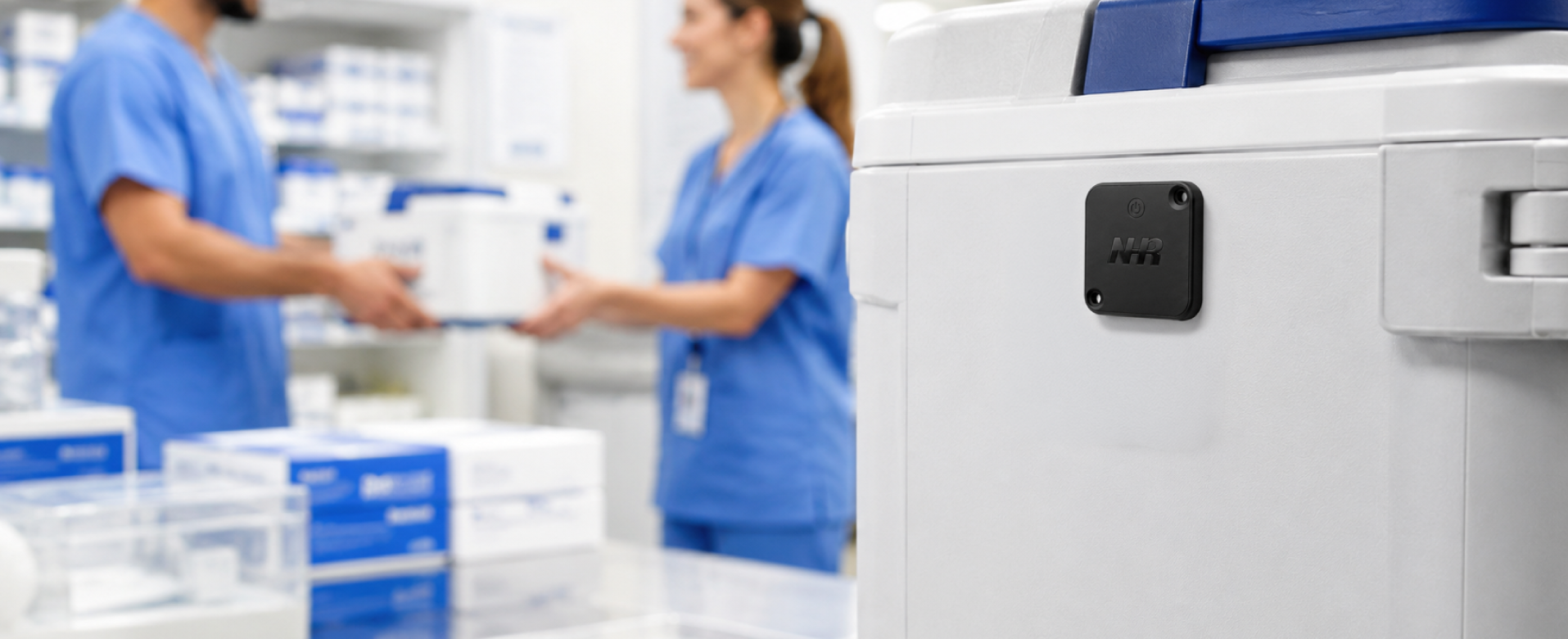
AI support/Medical cold-chain assets still counted manually?
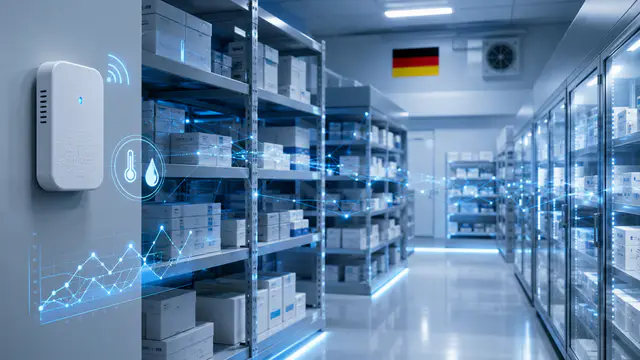
As vaccines and biopharma assets move between controlled storage and logistics handoffs, manual inventory checks cannot continuously confirm their location.
Problem
As vaccines and biopharma assets move between controlled storage and logistics handoffs, manual inventory checks cannot continuously confirm their location.
Solution
T20 broadcasts asset location, zone, and proximity data over BLE to help track high-value temperature-sensitive assets.
Impact
Teams improve inventory efficiency, handoff traceability, and management of high-value medical assets.
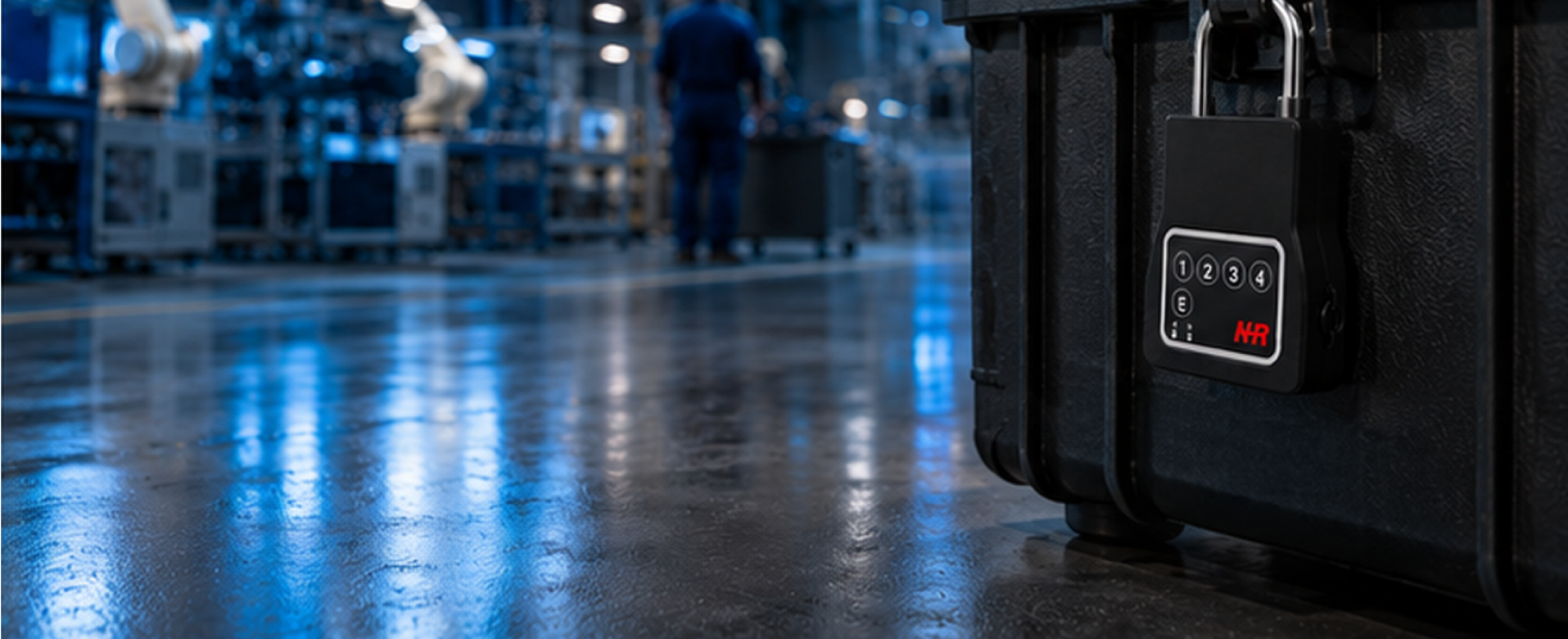
AI support/Equipment workflows leave data gaps?
Equipment moving between workstations loses monitoring continuity and relies on manual records.
Problem
Equipment moving between workstations loses monitoring continuity and relies on manual records.
Solution
Mobile wireless sensing and asset location keep position and condition records through maintenance.
Impact
Teams identify abnormal units faster and reduce manual logging and traceability work.
Real cases and nearby field scenarios that show where this setup makes sense.
The hardware, gateway, and platform pieces that turn the workflow into a working system.
No. NHR can send device and event data into existing ERP, WMS, or fleet systems through integration work.
Yes. The network and device mix is selected by site conditions, not forced into one technology.
Pick the lane, asset group, or cold-chain flow with the highest risk and validate from there.
Yes. Sensor history and event logs can be structured for operating review and compliance evidence.
Talk to NHR
Tell us where visibility breaks today. We can help decide which assets, vehicles, and conditions should be monitored first.