Taichung Station Smart Bin Alerts: Direct Cleaner Notification
After an on-site trial, Taichung Station formally adopted B01 monitoring: an 85% fill threshold triggers a LINE message to the cleaner responsible for that area.
Project Profile
- Region: Taiwan
- Category: City
- Products: B01
Deployment Reference
- 85% — Configured early-alert threshold (A site setting, not an outcome or accuracy rate)
- Direct Message — B01 alert → LINE message to the cleaner responsible for the area
- Trial → Rollout — The on-site trial preceded formal adoption
Case Snapshot
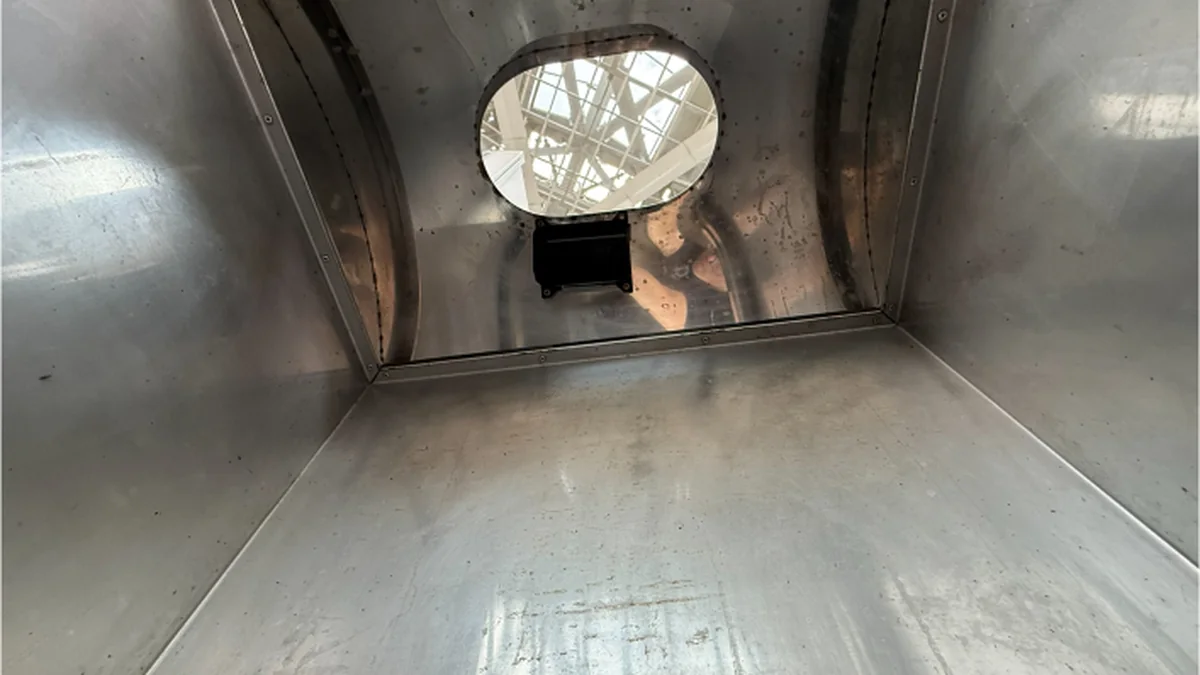
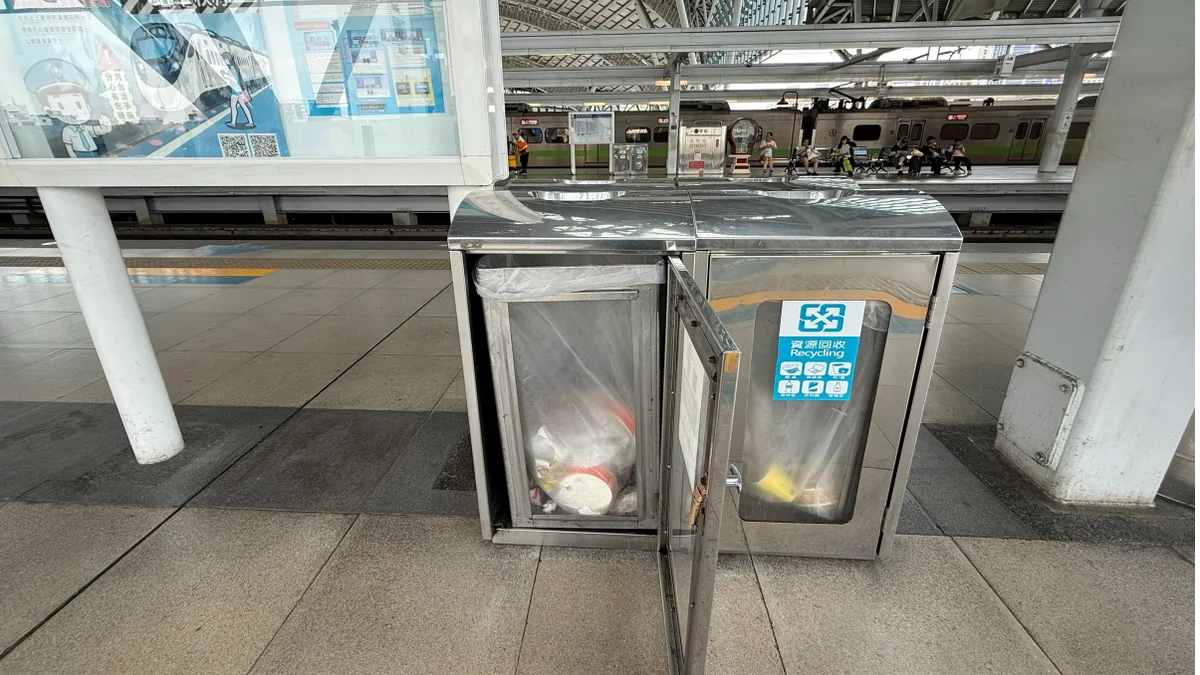
Taichung Station first trialed B01 fill-level monitoring before formally adopting the workflow. At monitored bins, B01 is mounted inside the enclosure below the opening. When fill reaches the configured 85% threshold, the workflow sends a LINE message containing the bin location to the cleaner responsible for that area, allowing the person to respond without waiting for a control-desk relay.
Problem
Fixed rounds did not reflect how differently station bins filled
Bins are distributed across platforms, concourses, and level-transition points, while waste volume changes with train arrivals, transfer traffic, and holidays. A fixed inspection route may repeatedly check low-demand bins while another location is approaching capacity.
Waiting until staff or passengers can see an overflow also means the opportunity for early action has passed. The station needed a location-specific signal before waste reached the bin opening.
Solution
In-bin sensing starts a direct message at the configured 85% threshold
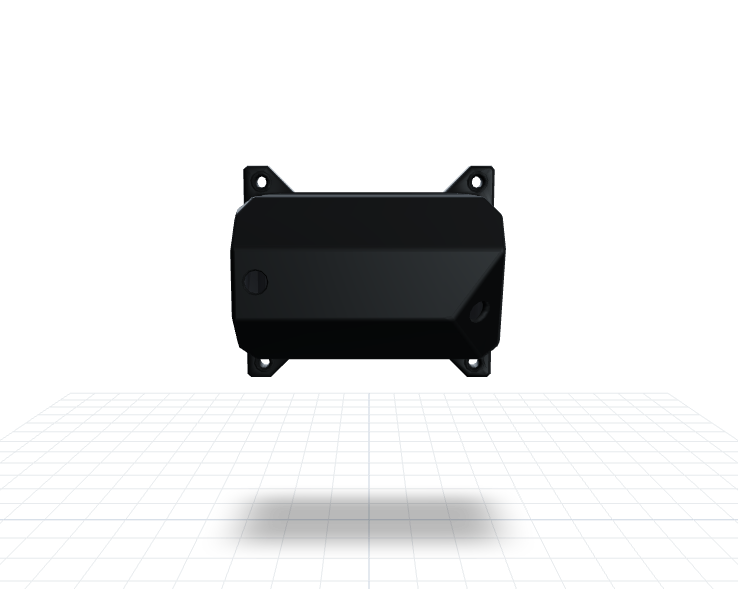
B01 Smart Laser Waste Bin Sensors are mounted inside monitored bins below the opening and measure fill height without contact. This position allows an early trigger before waste reaches the opening. For this deployment, the trigger is configured at 85%. It is a site setting, not a sensor-accuracy figure or measured improvement.
When the threshold is reached, the workflow sends a LINE message containing the bin location to the cleaner responsible for that area. Staff use the communication tool already adopted on site, so the notification fits the current practice without introducing a separate mobile application.
Value
Cleaning decisions can follow observed fill status
The cleaning team receives a location-specific signal while the bin is approaching capacity, providing an operational basis for prioritizing that location before an overflow is visible.
Direct notification also removes a relay step between the detected condition and the person carrying out the work. The deployment therefore supports condition-based cleaning decisions without claiming an unverified reduction in labor hours, response time, or overflow frequency.
Next Step
For a similar station, review pilot records, bin geometry, threshold settings, LINE-recipient ownership, escalation rules, and device-maintenance responsibility before formal rollout.
Explore Solutions / Talk to an Expert
Image Gallery