Field-proven NHR IoT deployments across smart cities, agriculture, logistics, energy, and industrial infrastructure.
How a high-density UAE district unified parking, waste, and water-level monitoring to reduce routine patrols and respond faster.
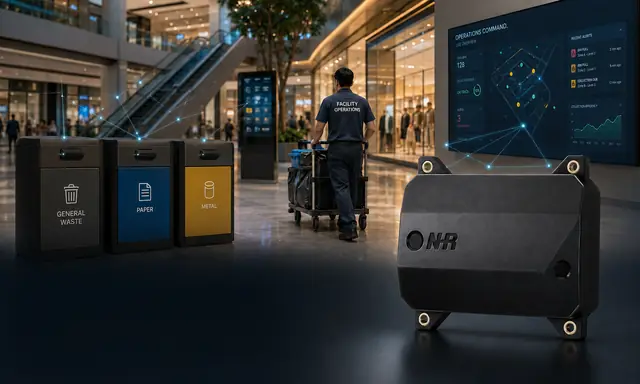
Real-time bin sensing and AI-assisted dispatch helped a high-traffic commercial complex reduce routine checks, prioritize cleaning tasks, and improve recycling coordination.
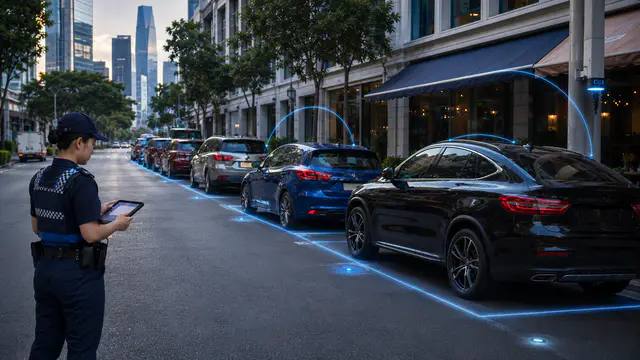
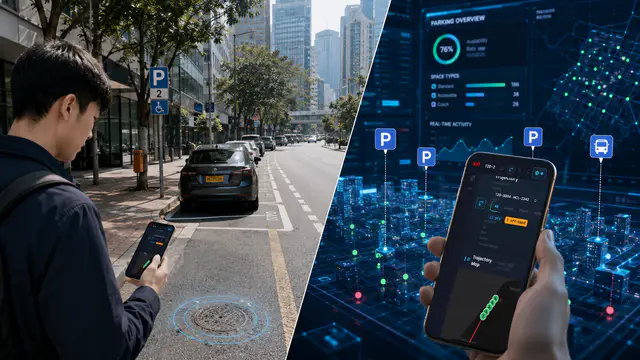
How NB-IoT space-level sensing and vehicle-linked identification helped an urban parking operator reduce manual patrol dependency and strengthen real-time compliance management.
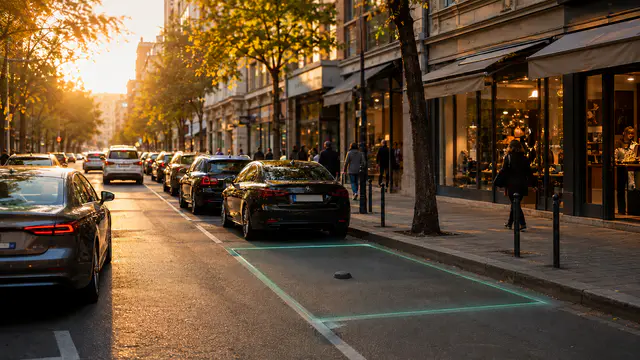
How NB-IoT curbside sensing helped drivers find available roadside spaces faster while giving operators better visibility into parking utilization and turnover.
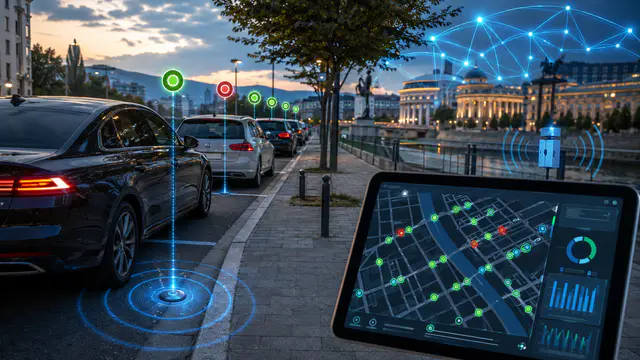
How LoRaWAN in-ground parking sensing helped a city expose live curbside availability, reduce search friction, and build a more transparent parking operation.
How embedded P02 sensing helped a public parking initiative bring selected non-metered curbside spaces into real-time digital visibility.
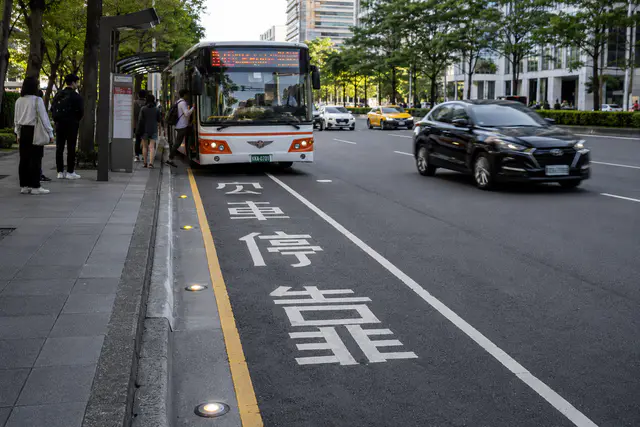
How rule-based P02 / P08 sensing and NB-IoT connectivity helped detect probable bus stop bay violations earlier and reduce patrol-heavy enforcement.
How LoRaWAN parking sensors, reservation logic, and visible LED indicators made visitor parking easier to allocate, verify, and control.
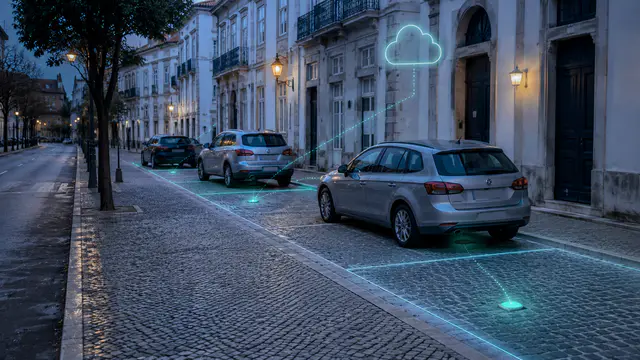
How LoRaWAN curbside sensing helped improve parking visibility in a heritage-sensitive district without requiring a dedicated network buildout.
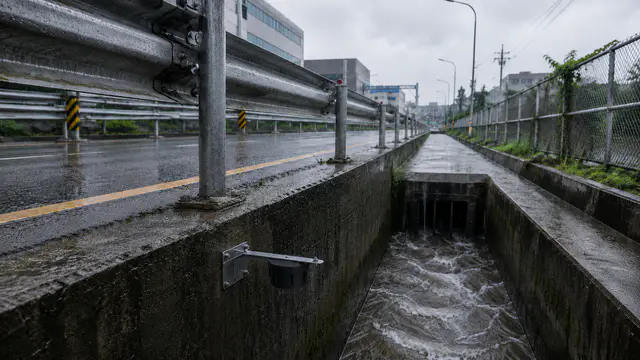
How real-time water-level monitoring helped an industrial park detect drainage risk earlier and coordinate flood-response actions faster.
How LoRaWAN-based monitoring helped a Singapore vertical farm track critical water and growing conditions in real time, supporting more stable output and better operational control.
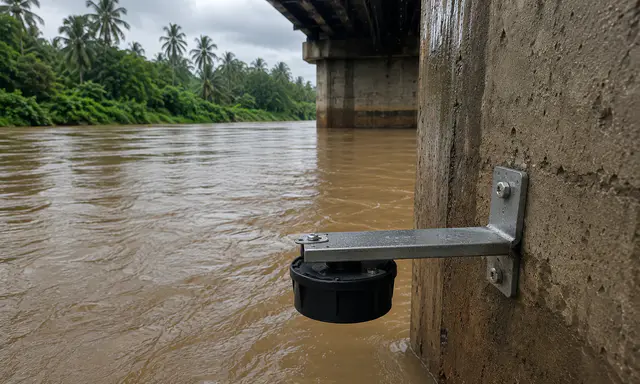
How NB-IoT radar water-level sensing helped flood-prone riverbank areas detect rising water earlier, visualize remote locations, and coordinate response actions faster.
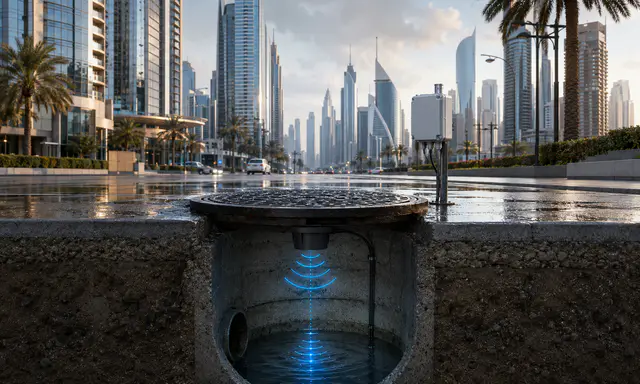
How NB-IoT manhole sensing helped drainage operators identify rising water and cover movement earlier during heavy rain.