
Beyond Spot Checks: Temperature and Humidity Monitoring for Greenhouse Tomatoes
Spot checks miss what happens overnight. A Taiwan tomato greenhouse used NHR wireless temperature and humidity monitoring to review live and historical readings and inform ventilation and shading decisions.
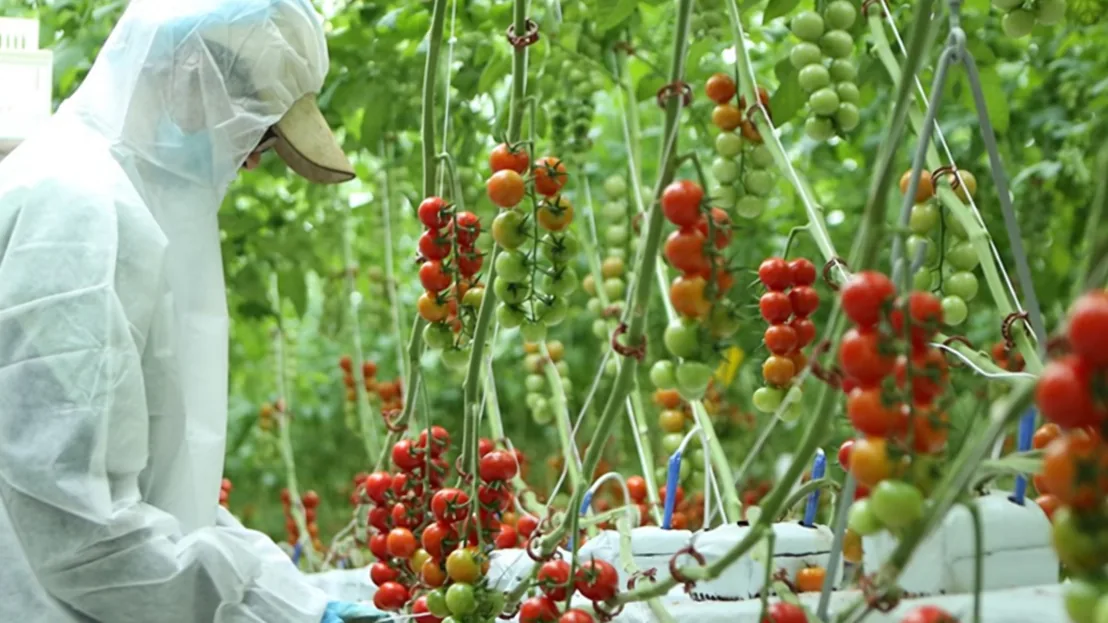
Case status: retrospective of a previous deployment. This article draws on an NHR legacy case and site photographs to explain the monitoring application.
You can feel the heat during a visit. What happens after you leave?
Afternoon heat and overnight humidity are both concerns for tomato greenhouse managers. A site visit reveals conditions at that moment, but a few readings cannot show how long the heat lasted, how humidity changed overnight, or what happened after ventilation was adjusted.
This glasshouse in Taiwan introduced NHR wireless temperature and humidity sensors to record air temperature and relative humidity in the growing area. Managers could review conditions across time, giving them evidence to inform decisions about ventilation, shading and other environmental management measures.
Bring conditions in the growing area into view
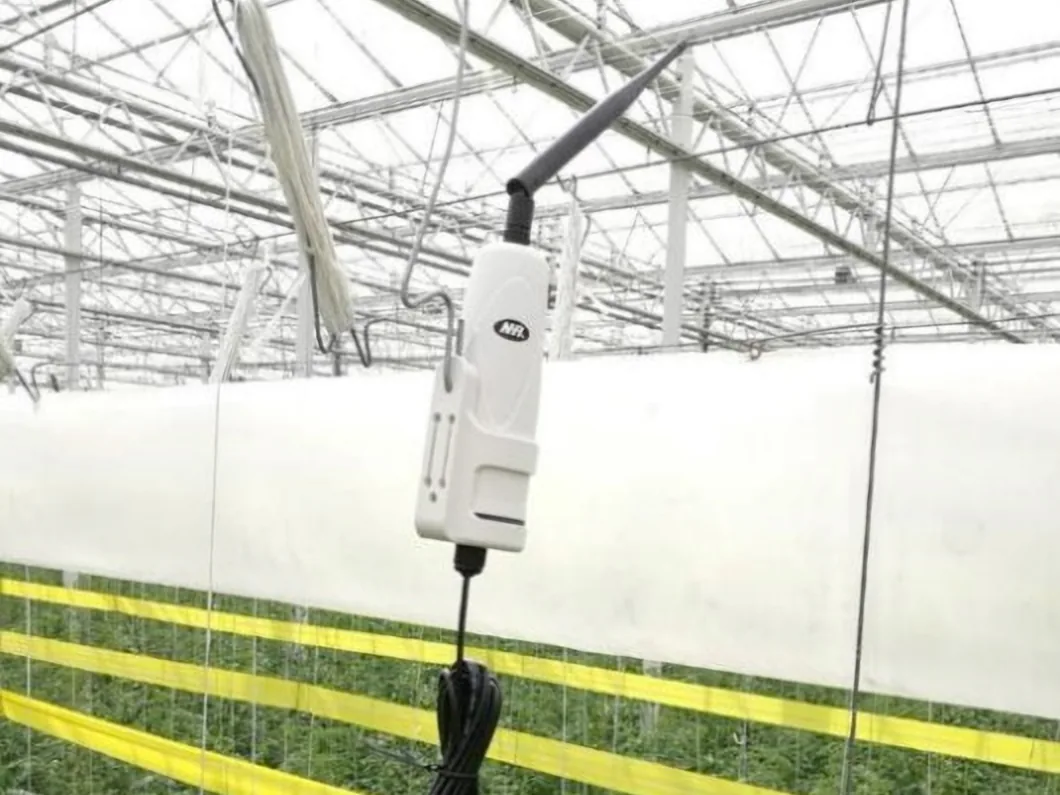
The site photograph shows an NHR sensor suspended above the tomato crop rows. It measures air temperature and relative humidity and transmits data wirelessly. Live readings support checks on current conditions; historical records help cover the periods between visits.
For the growing team, the value is not another set of numbers. It is a clearer basis for answering three questions:
- When should we pay closer attention? Review historical trends to identify periods of high temperature or humidity and plan checks.
- Did conditions change after an adjustment? Compare readings before and after ventilation or shading changes to see whether conditions moved in the intended direction.
- Where should we investigate next? If multiple monitoring points are planned, compare growing areas and then inspect ventilation conditions and sensor placement.
These are potential management uses of monitoring data, not measured improvements reported for this site.
Make overnight conditions part of the management record
Temperature and humidity need to be considered together. Cooling does not necessarily remove moisture, and comfortable conditions during a visit do not rule out high humidity overnight. Agricultural references describe the influence of temperature and humidity on tomato growth and the role of moisture on plant surfaces in Botrytis infection. This explains the relevance of monitoring; it does not establish disease or yield outcomes for this case.
Night and early-morning records can help a team identify recurring periods of high humidity and plan action alongside site observations. Air temperature and humidity can inform a risk assessment, but they do not by themselves confirm leaf condensation or plant infection.
Where is monitoring worth considering first?
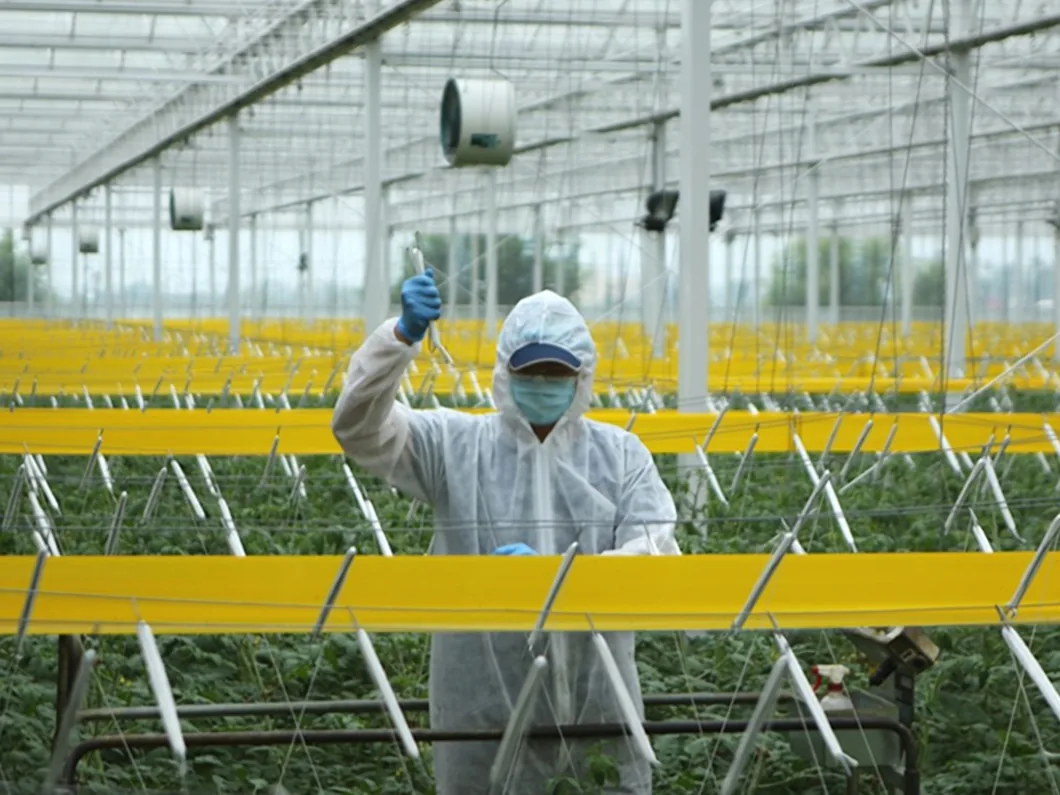
If a greenhouse already has ventilation, shading or cooling equipment but adjustments still rely mainly on how conditions feel during visits, temperature and humidity records can help fill that information gap. Areas without overnight checks, dispersed growing zones and locations with inconsistent conditions are useful starting points for a monitoring assessment.
Planning should cover more than sensor placement: who reviews the data, how often it is checked and how unusual readings are confirmed on site. These decisions help turn measurements into a practical management tool.
Frequently asked questions
Does monitoring automatically control vents or increase yield?
No. This case covers temperature and humidity monitoring and data viewing. Automated control requires a separate assessment of equipment interfaces and integration scope. Yield also depends on crop variety, cultivation practices and other conditions; no yield increase or disease reduction percentage is claimed here.
How many monitoring points does a greenhouse need?
There is no universal number. Area, zoning, crop height and ventilation layout all matter. Start with the management questions to be answered, then assess sensor locations. The original case does not specify the deployment quantity.
Can we use a single temperature and humidity threshold?
A figure from one study should not become a universal setting. Growing and equipment specialists should agree on suitable thresholds for the variety, growth stage and local conditions, then review them against actual records.
Start with the time period or growing area you need to understand
Do you want to know whether humidity stays high overnight, or whether a ventilation adjustment changes conditions? Share your greenhouse area, crop, existing environmental control equipment, and the time period or zone causing concern. NHR can help assess monitoring locations and data-viewing requirements around a specific management need.
Discuss greenhouse monitoring / Explore solutions
Notes and references
- This article draws on an NHR legacy case and existing site photographs; it does not confirm that the installation remains operational today. The original material does not establish sensor model, quantity or installation year. Automated control, alarms and quantified benefits are not claimed.
- Data continuity depends on power, communications and normal system operation. Installation plans and management thresholds require professional site-specific assessment.
- Agricultural background: Taiwan Seed Improvement and Propagation Station: tomato heat-resilience guidance, Tainan District Agricultural Research and Extension Station: greenhouse cherry tomato cultivation, Greenhouse design for subtropical fruiting vegetables, and Agriculture Victoria: grey mould in greenhouse tomato crops. These references are not evidence of outcomes at this site.