
From Field to Tank: Smart Agriculture Monitoring in Taiwan
Soil, weather and aquaculture water-temperature data sat apart, leaving irrigation calls to experience. Bringing every site's readings together lets fieldwork follow actual data.
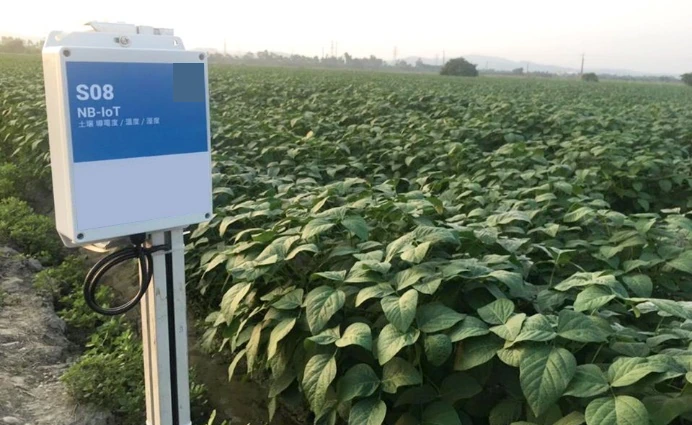
NHR agricultural monitoring reference photo with the device QR code masked. It is not a site record or model configuration of the multi-site project described here.
Project Profile
- Region: Taiwan
- Settings: Open-field crops, a strawberry greenhouse, and algae aquaculture
- Measured variables: Weather, soil temperature, soil moisture, soil electrical conductivity, and water temperature
- Core architecture: Environmental sensing, wireless transmission, cloud data, and management platforms
Confirmed Deployment Highlights
- Open-field crops — Weather and soil data supported prevention, irrigation, and fertilization decisions
- Strawberry greenhouse — Automatically collected soil conditions created a basis for comparing varieties and cultivation choices
- Algae aquaculture — Centralized water-temperature records reduced dependence on manual tank-by-tank measurement
Case Snapshot
The recurring problem across agriculture is not a total absence of data. It is that data arrives too slowly and in disconnected forms. Open fields require both weather and soil context, greenhouse teams need to compare varieties and growing conditions, and aquaculture operators need to follow water temperature over time. When every reading depends on a visit, a one-time measurement, and manual recording, decisions can lag behind the environment.
These Taiwan deployments, publicly documented in 2019, shared a common operating pattern: sense the environment, transmit the reading, centralize the data, and let people act on the trend. Each setting measured different variables, but the objective was the same—turn conditions that were hard to see continuously into usable information for daily work.
Three Documented Settings
Open-Field Crops: Put Weather and Root-Zone Conditions into the Same Decision
The open-field deployment combined a weather station with soil temperature, soil moisture, and electrical-conductivity sensing. Weather information helped the team prepare for changing conditions. Soil moisture and temperature informed irrigation timing, while EC provided a reference for changes in dissolved-ion concentration relevant to salinity and fertilization management.
The data did not mean that the system made farming decisions automatically. It gave operators a measured view of current soil conditions and recent trends instead of relying only on a visual impression of whether the field appeared ready for irrigation.
Strawberry Greenhouse: Turn Growing Experience into Comparable Records
The strawberry greenhouse automatically collected soil temperature and moisture data. Managers could place environmental conditions, crop varieties, fertilizer practices, and cultivation adjustments on a comparable timeline, building records that could inform later growing cycles.
The public account used positive language about crop quality, but did not provide sugar-content readings, yield data, a control group, or a measurement method. This case therefore confirms the creation of comparable cultivation records, not a verified quality or yield increase.
Algae Aquaculture: Replace Tank-by-Tank Transcription with Centralized Water-Temperature Data
Open aquaculture tanks previously required staff to measure and write down water temperature one tank at a time. With water-temperature sensing and wireless reporting, readings could be centralized in a platform and reviewed over time rather than existing only as manual snapshots.
The operational change was not autonomous aquaculture. It was the conversion of repetitive measurement and transcription into continuous records, allowing staff to focus on anomalies and on-site action.
Operational Value
Establish Usable Data Before Making Precision-Agriculture Claims
Across the three settings, environmental information moved out of paper logs, isolated visits, and individual experience into records that could be viewed together. Open-field teams gained a better basis for irrigation and fertilization, greenhouse managers could compare cultivation conditions, and aquaculture operators could follow water-temperature changes with less manual recording.
The public material does not disclose independently verifiable water savings, fertilizer reduction, yield improvement, payback period, or site-level AI performance. The defensible value is improved environmental visibility, less duplicate recording, and clearer priorities for field work.
Frequently Asked Questions
What data can smart-agriculture monitoring include?
Depending on the setting, it can include weather, air temperature and humidity, soil temperature, soil moisture, soil electrical conductivity, and aquaculture water temperature. Not every variable was deployed at every site in this case.
Does soil electrical conductivity directly measure fertilizer demand?
No. EC reflects the concentration of dissolved ions in the soil solution. It can inform salinity and fertilization management, but interpretation still depends on the crop, growing medium, water quality, and agronomic context.
Did these deployments automate irrigation or fertilization?
The evidence confirms sensing, wireless transmission, platform viewing, and people adjusting field work based on data. It does not establish that every site used automated irrigation, fertilization, or closed-loop control.
Was AI prediction validated at these sites?
AI and big data were described at the broader programme level, but the public material does not disclose a site-specific model, inputs, accuracy, or validation result. This case therefore presents monitoring and decision support, not verified AI prediction.
Are quantified savings, yield gains, or ROI available?
No site-level figures with a disclosed baseline and measurement method are available. Any quantified benefit would need to be validated against deployment records, a defined period, and the relevant crop cycle.
Next Step
Begin a smart-agriculture monitoring project by defining the management decision that needs better evidence. Sensor variables, point density, connectivity, and platform views can then be designed around that decision instead of adding devices before the operating use case is clear.
Explore Environmental and Agriculture Monitoring / Talk to an Expert
Notes
- Every site is different; deployment plans and outcomes should be assessed by qualified professionals against actual site conditions.