Field-proven NHR IoT deployments across smart cities, agriculture, logistics, energy, and industrial infrastructure.
P01, B01, and H01 devices consolidate parking, waste-bin, and drainage status over NB-IoT on one platform, helping the district reduce zone-by-zone patrols and identify where attention is actually needed sooner.
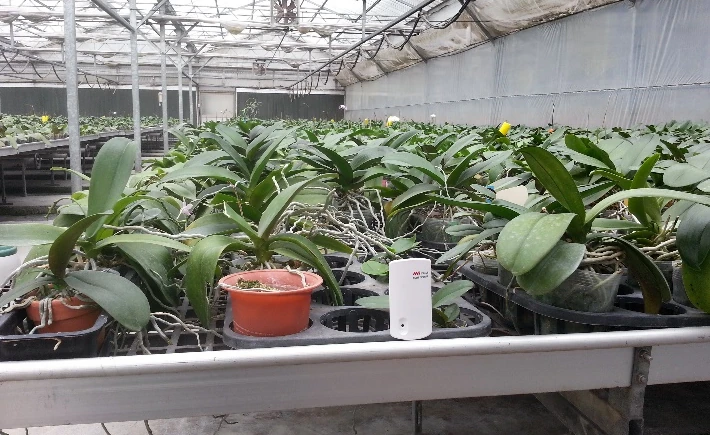
A Taiwan orchid operation used NB-IoT to centralize live and historical temperature and humidity data across distributed greenhouses, reducing reliance on travel-heavy checks and duplicate entry.
Taiwan agriculture sites centralized weather, soil moisture, temperature, EC, and aquaculture water data to support irrigation, fertilization, and field inspections.
At a metro station in Taiwan, B01 and S09 support a full-bin alert workflow: station control receives the alert and dispatches cleaning staff by radio.
At a railway station in Taiwan, B01 monitoring triggers an alert at the configured 85% fill threshold and sends a LINE message to the cleaner responsible for that area.
A production site in Thailand formally deployed a vibration-sensing configuration with the S09 Smart Wireless Transmitter, using baseline deviations to support on-site verification, parts preparation, and planned maintenance.
B01 bin sensing and W01 recycling monitoring cover paper, metal, and general waste streams, feeding an AI-assisted dispatch workflow that prioritizes cleaning by field status instead of fixed routes.
P02-NI in-ground sensing paired with vehicle-linked identification gives enforcement teams faster, better-documented violation records and less dependence on manual patrols.
P01-NW curbside sensors report occupancy over NB-IoT in real time, helping drivers find available spaces faster and giving operators a clear read on curbside usage and turnover.
P02-LW LoRaWAN in-ground sensors skip large-scale wiring work, giving the city live visibility into curbside availability while cutting search-related traffic and fuel waste.
Embedded P02-NW/P02-LW sensing brings standard, accessible, and larger-vehicle non-metered spaces into one real-time information service — without cameras or personal data.
Eleven consecutive sensing points, rule-based logic, and NB-IoT reporting help enforcement teams identify probable bus-bay violations earlier, easing patrol loads while keeping bays available.
P02-LW LoRaWAN sensing combined with reservation logic and LED status indicators lets visitors know before arrival whether a bay is reserved, available, or occupied.