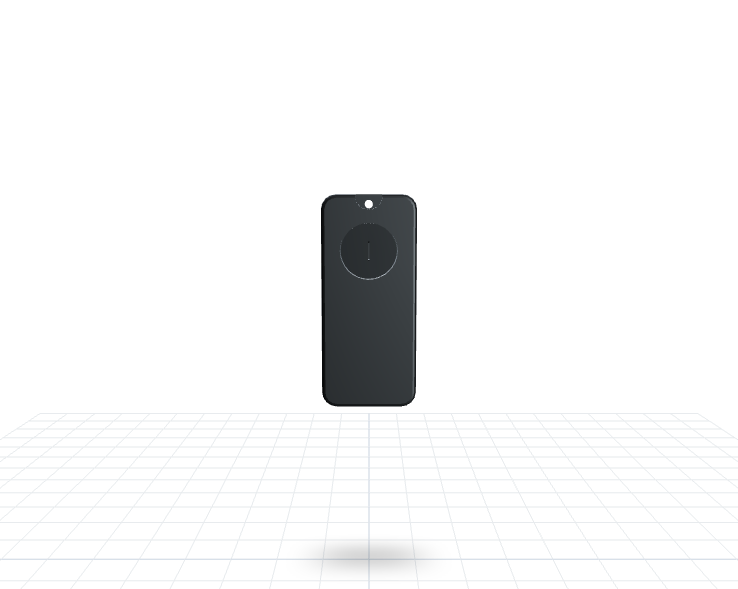
Missing Roll Cages, Traced to Their Last-Seen Site: BLE Tracking in Taiwan
Roll cages left at the curb between runs disappear without a record. Tag every cage and each one leaves a digital trail, so when one goes missing you can see where it was last detected.
Project Profile
- Region: Taiwan
- Category: Logistics
- Products: T20
Operational Value
- Find it — Last site and time each cage was detected (platform record)
- Count it — How many cages each site is holding, without waiting for the month-end count (platform view)
- Account for it — Detection records to reconcile with sites and partners and settle responsibility (platform record)
Case Snapshot
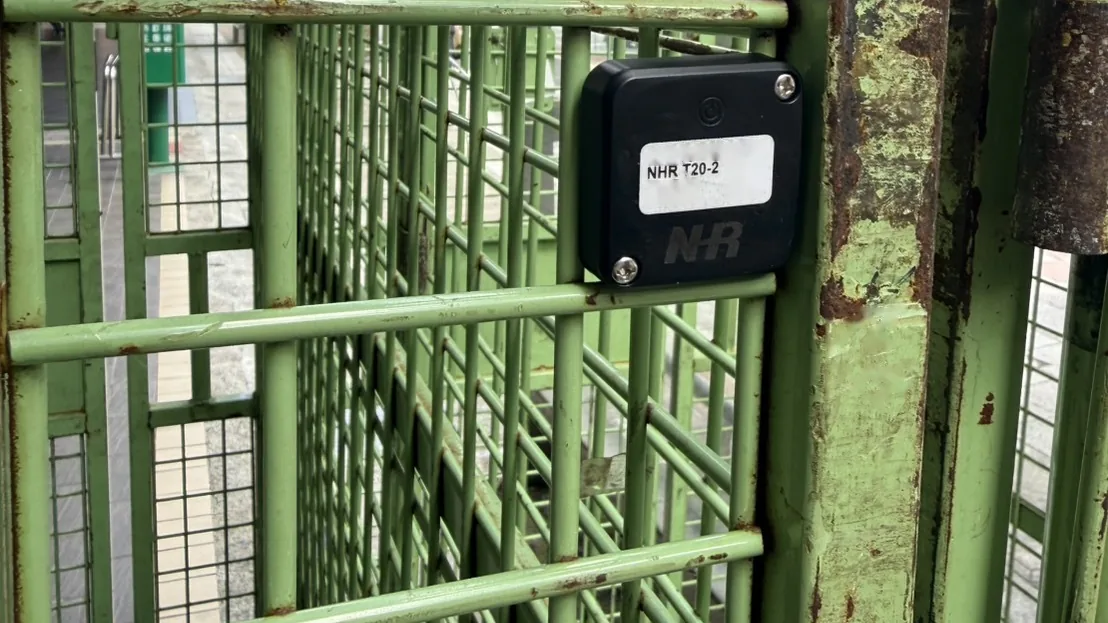
In logistics, missing roll cages are an old and familiar problem. Cages go out with the goods every day, get left outside stores or on the sidewalk after each drop, and wait for the next collection run. When the count comes in, a few are often missing, and nobody can say where they went. A Taiwan logistics operator decided to change that. It fitted an NHR T20 BLE asset tracker (BLE stands for Bluetooth Low Energy) to the steel frame of every cage, so each cage leaves a digital trail: which site it passed and when it was detected, all searchable on the platform.
Problem
Out of Sight Means Out of Control
Picture a cage's day. Early in the morning it goes out on a truck with the goods. By noon it has been unloaded outside a store; by afternoon it has been pushed to the edge of the sidewalk to wait for collection. The next day the collection run arrives, and it is gone. Picked up by another route? Kept by the store as shelving? Wheeled away? Nobody saw it, and nothing was recorded.
When the month-end count comes up short, the only option is to keep buying replacements at a high cost and treat the loss as a fixed cost. And the cost rarely stops there. Collection runs arrive to find nothing. Peak-season loading runs short, so cages are bought in a hurry. Customers and subcontracted hauliers hold on to cages, and there is no proof to recover them. Sites blame each other, with no record to settle it.
This pain is shared across the industry. A published case study from Australia describes a logistics company with about 2,500 cages that found, once the cages were tracked, that losses were driven by cages left behind at customer sites, transport providers, and third-party logistics facilities: a process and visibility gap rather than theft. In the UK, trade outlet IT Supply Chain reported in October 2026 that Neovia, which delivers parts to BMW's UK dealer network, estimated that about 40% of its roll cages and totes drop out of the returns cycle each year, worth around £320,000. The problem is not the cages themselves; it is that once a cage leaves sight, it leaves no record.
Solution
Give Every Cage an Identity, and Turn Its Movements into Records
Each cage carries an NHR T20 BLE tracking tag, screwed to its steel frame. The tag runs on a battery, needs no power supply or wiring, and stays fixed to the cage wherever it goes.
The tag sends a Bluetooth signal at a set interval. Whenever a cage passes a receiving point, on a delivery vehicle, at a branch, or at a fixed receiver (gateway), the system automatically records which cage, when, and where, and sends it to the management platform. No scanning, no paperwork. Every receiving point a cage passes becomes a digital record; put those records together and you have the cage's trail, with the latest one showing where it was last seen. This is not live GPS positioning but a record of where the cage has been detected, which is why each cage needs only a small battery-powered tag instead of its own GPS tracker and cellular connection.
On the platform, each cage's last-seen site and time is one search away, cage counts by site are visible at a glance, and alerts can be set for cages that stay in one place too long.
Value
From "We Only Noticed at Month-End" to "Let's Check the Record"
Before, a missing cage surfaced only at the month-end count, and even then nobody could say why. Now every cage has its own trail: when one goes missing, the team opens the platform, sees where and when it was last detected, and knows where to start looking. A missing cage is not always a stolen one: misplaced cages, cages kept by another site, and cages carried off on another route leave different patterns in the record, which makes them easier to tell apart and fix.
The record also settles questions of responsibility: where and when a cage was last detected can be put on the table, rather than relying on one site's word against another's. With cage counts visible by site, collection routes can be planned around where the cages actually are, and replacement purchases can be reviewed against the records. Cages stop being a pile of steel frames nobody can account for and become assets with a visible history.
Frequently Asked Questions
How is BLE roll cage tracking different from GPS?
BLE tracking records when and where a cage was last detected by a receiving point; it does not show a live position. Each cage needs only a battery-powered tag rather than its own GPS tracker and cellular connection. Where live location is required, talk to NHR about GPS-based options.
Does every store need a receiver?
Not necessarily. Receiving points can sit on delivery vehicles, at branches, or at fixed receivers (gateways), planned around routes and site conditions. Places without a receiving point produce no records, so the first planning step is deciding which sites matter most.
How is the tag installed? Does it need wiring?
No wiring is needed. In this project the tag is screwed to the cage's steel frame and runs on a battery. The reporting interval can be configured: shorter intervals give denser records but use more battery.
Next Step
Want to know where your cages actually go? Share your cage count, the spread of your delivery sites, and how collection works today, and we can work out together where receiving points belong, on vehicles, at sites, or at gateways, starting with the sites that lose the most cages.
Explore Solutions / Talk to an Expert
Image Gallery
| Cages waiting on the sidewalk for collection | The tag mounted on the side frame of a cage |
|---|---|
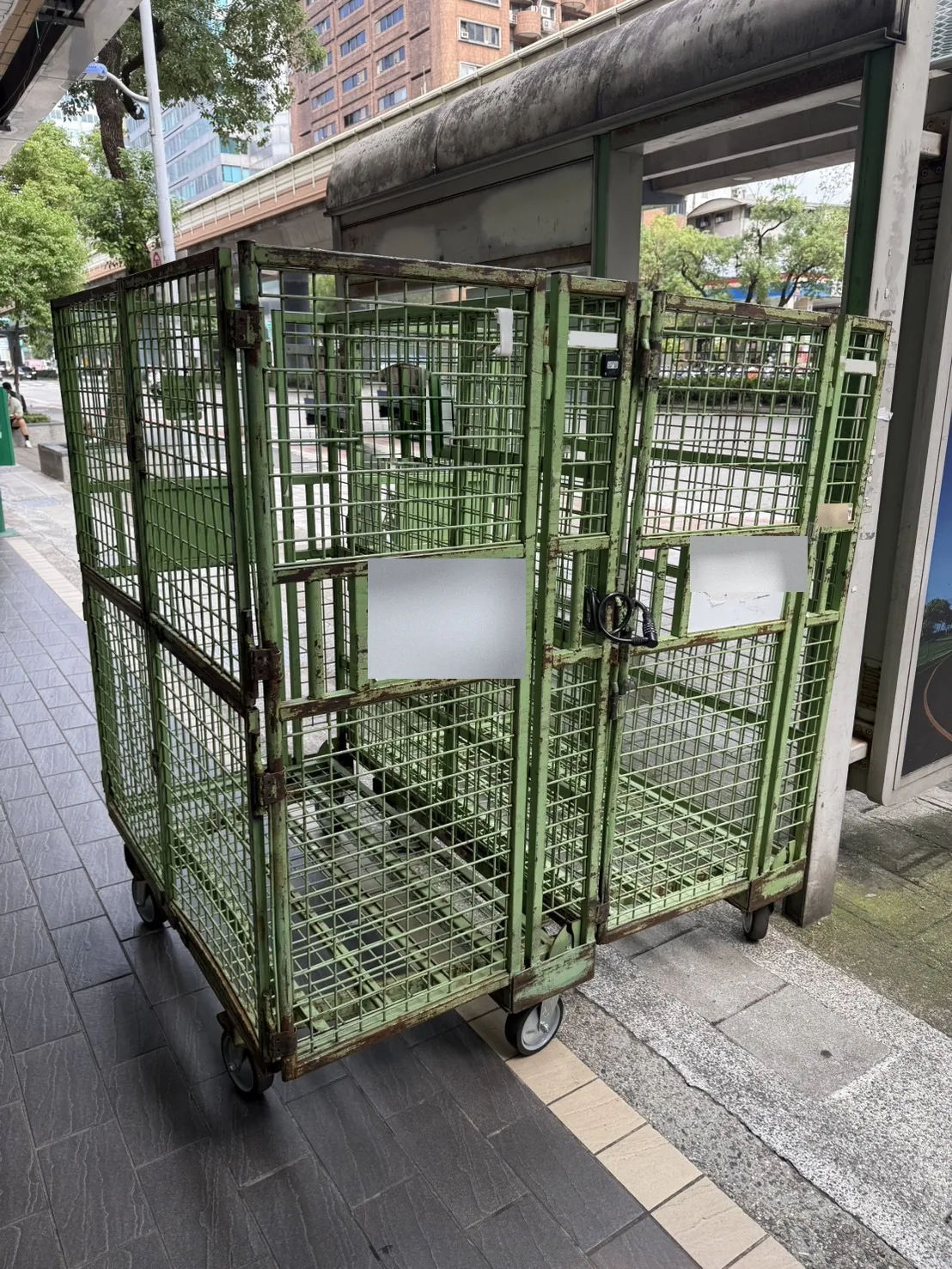 | 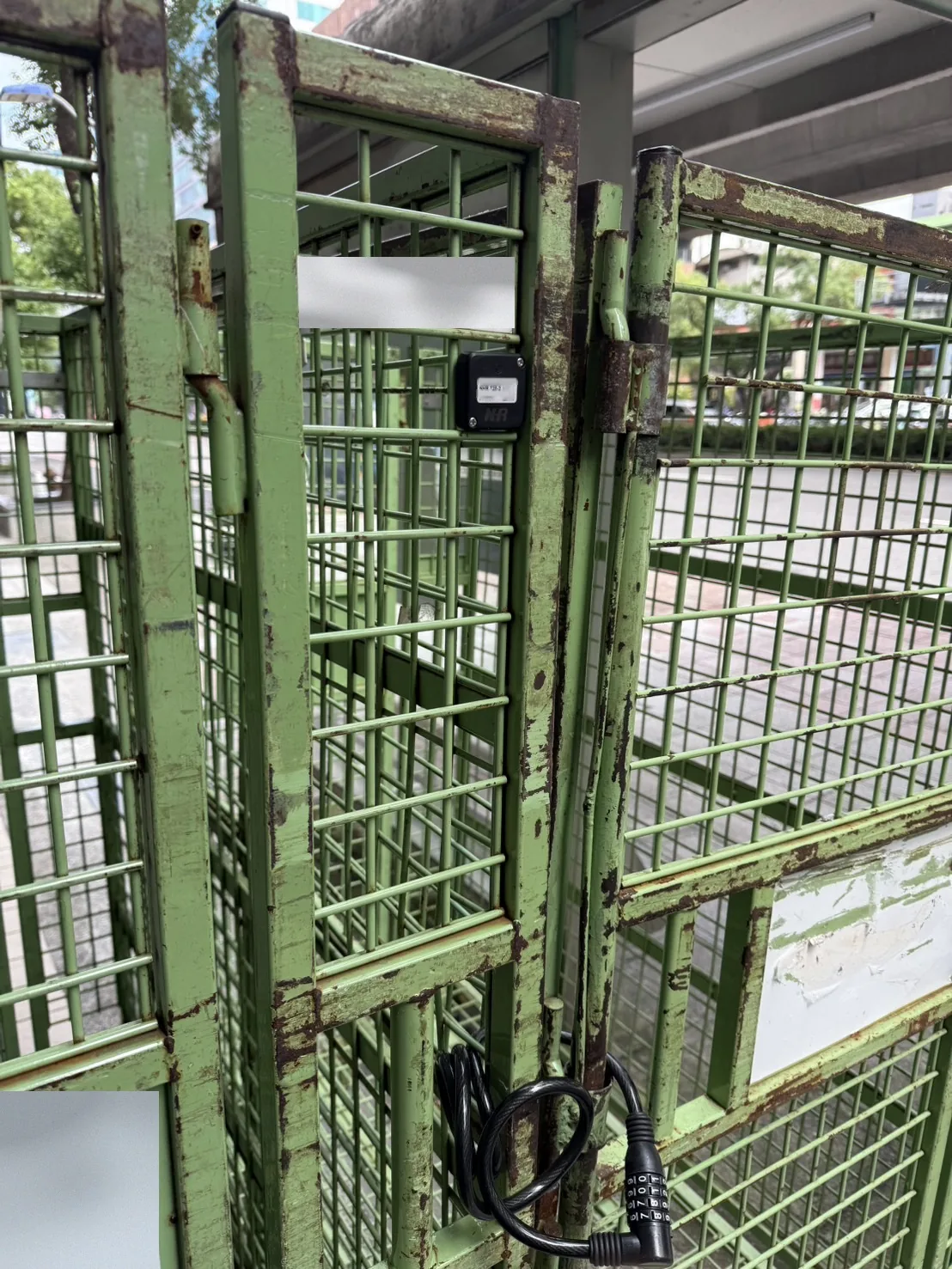 |
| Waiting at the curb between runs is when cages most easily drop out of sight | No power or wiring needed; the tag simply travels with the cage |
Notes
- "A cage's day" describes a typical scenario, not a specific event in this project; fewer lost and stolen cages is an operational objective, not a measured project outcome, and results should be assessed against operating data after deployment; operator markings and ID numbers in the photos have been masked.
- Figures from overseas cases are cited from public sources and reflect those operators' own estimates or descriptions, not results of this project: Published case study, Australia, 2026-03-03; IT Supply Chain, 2026-10-08.
- Every site is different; deployment plans and outcomes should be assessed by qualified professionals against actual site conditions.