Precision Soil Monitoring for Vegetable Farming in Taiwan
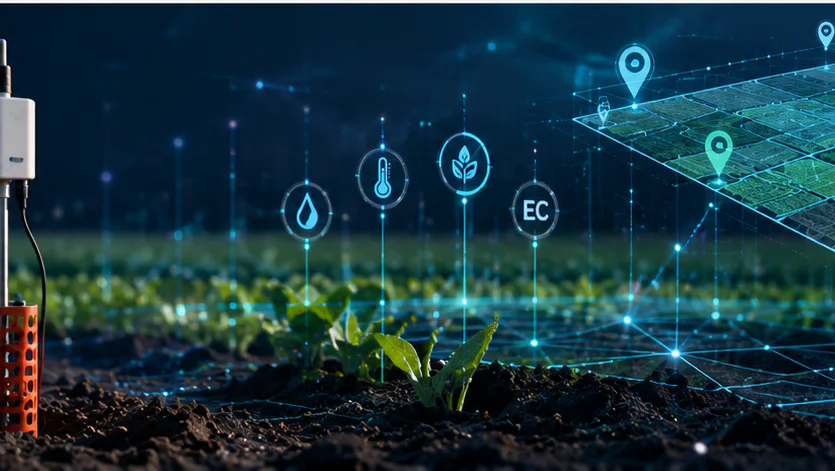
A 3-in-1 soil sensor reads moisture, temperature, and EC from a single probe, helping a Taiwan vegetable grower catch salt buildup and nutrient swings before they show up in the crop.
Project Profile
- Region: Taiwan
- Category: Agriculture
- Products: S09
Reference Impact
- 3-in-1 — Integrated moisture, temperature, and EC monitoring (Single probe)
- Est. 25% — Lower over-irrigation risk (Estimated improvement)
- Root-Zone — Early detection of salt buildup and nutrient imbalance (Precision management)
Case Snapshot
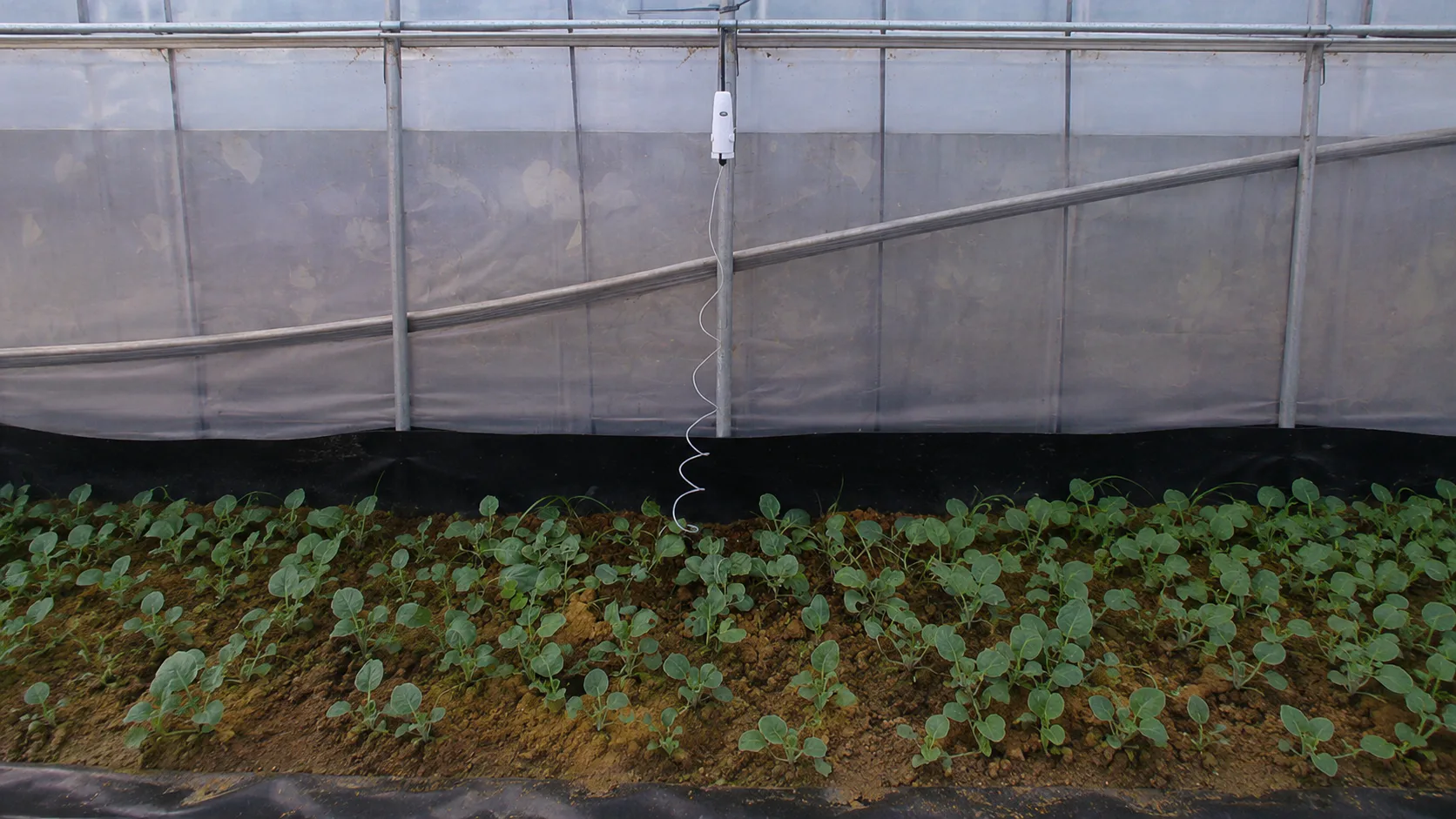
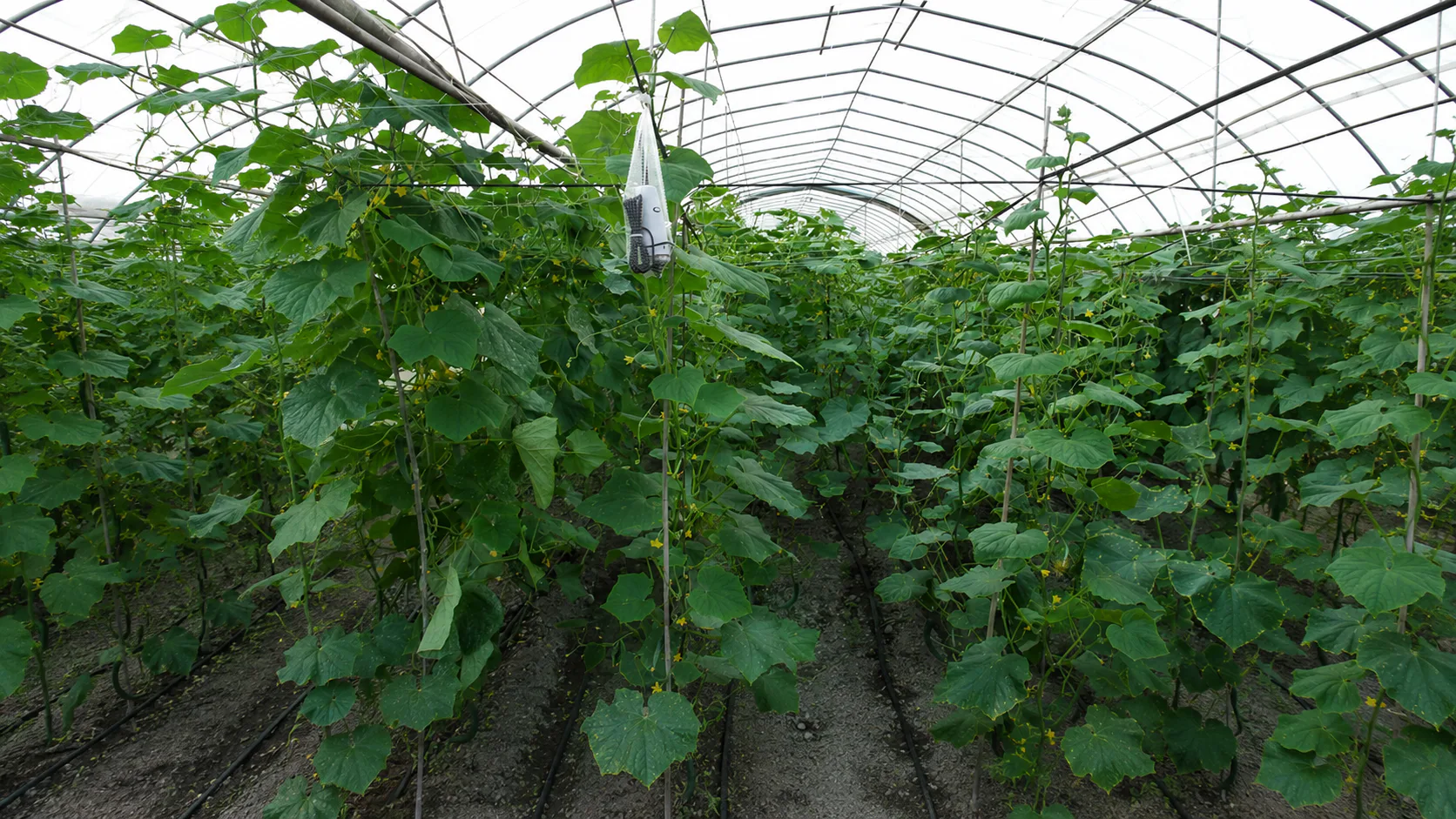
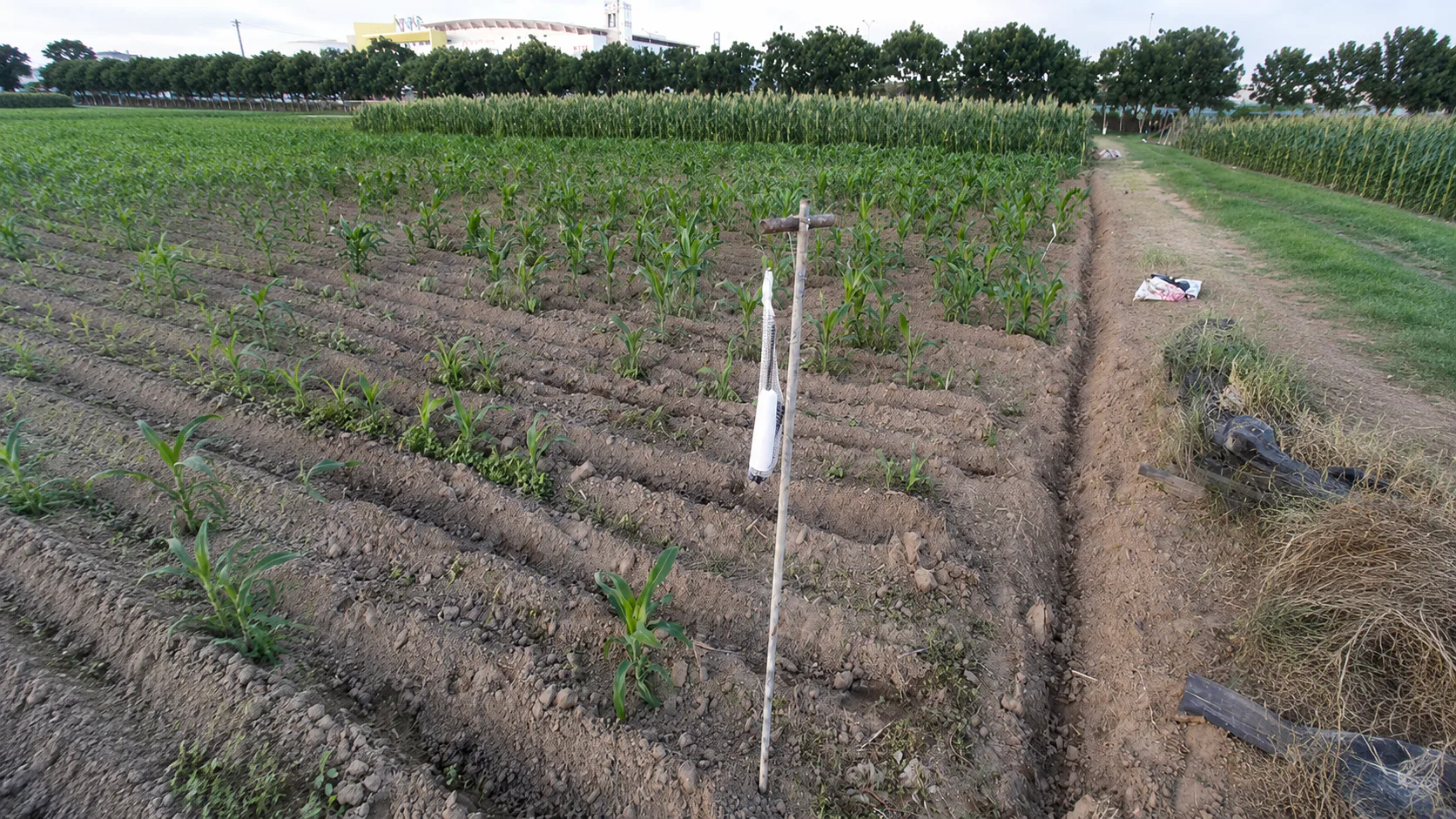
What happens to a vegetable crop's roots underground is hard to see with the naked eye, no matter how experienced the grower. Over-watering, nutrient imbalance, and salt buildup usually surface only after the crop already shows visible stress, by which point adjustment is largely too late. A Taiwan vegetable farm switched to the S09 3-in-1 soil sensor, reading moisture, temperature, and EC from a single probe, so subtle root-zone changes are now something the team can watch every day.
Problem
Root-Zone Changes Grow Where Eyes Can't Reach
A little too much water, a little too little — a vegetable crop's roots often don't show it right away. Over-irrigation can starve roots of oxygen and raise disease pressure, while under- or over-fertilizing affects uptake efficiency and crop consistency. Most of this plays out below the surface, where it is hard to catch early.
When growers rely mainly on field walks, leaf appearance, or experience, they typically adjust only after the crop already shows a visible reaction — wasting water and fertilizer along the way and raising the risk of disease and uneven yield. Practices are also hard to compare or repeat across different plots and growing cycles.
Solution
One Probe Reads Three Soil Signals
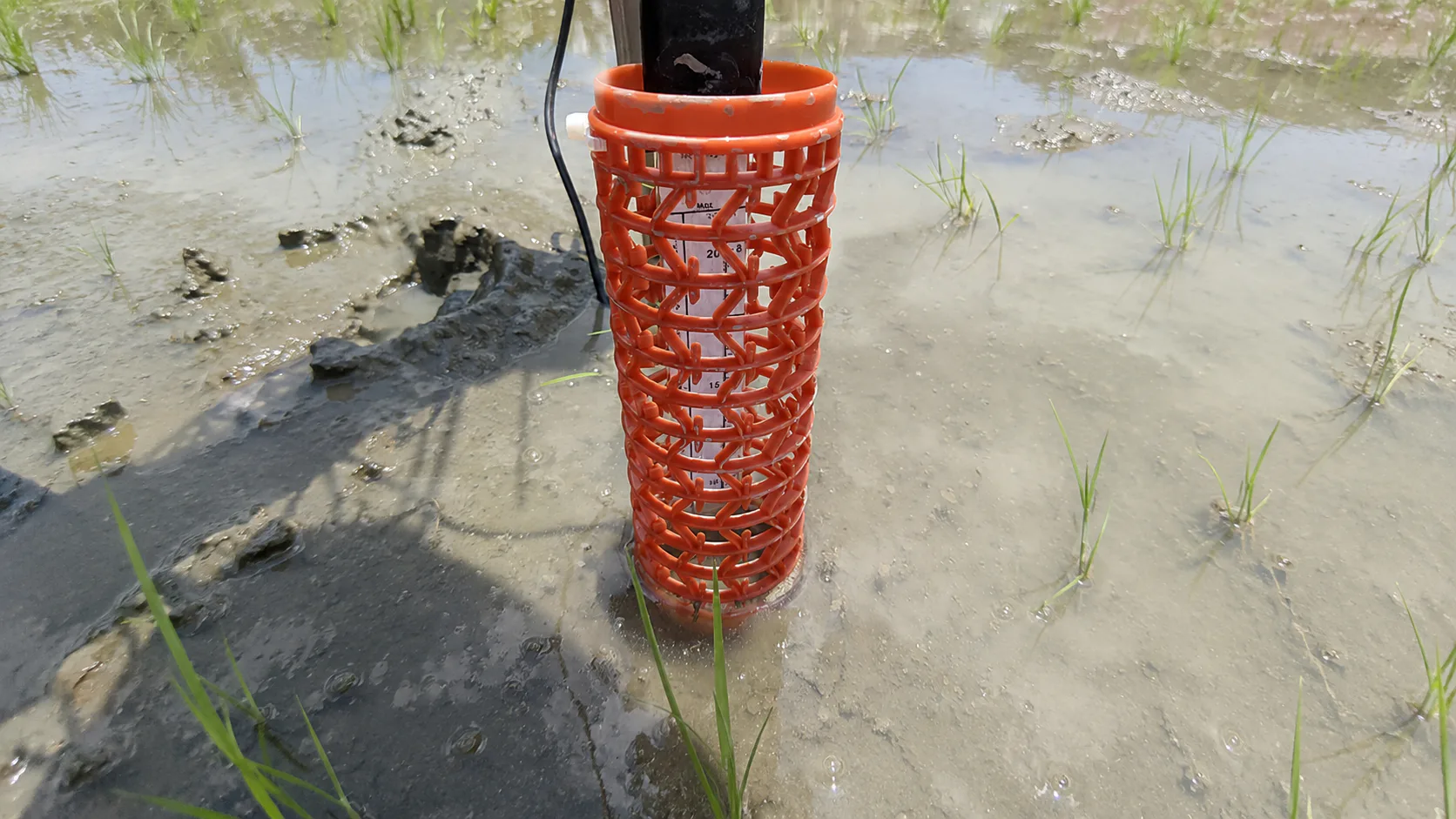
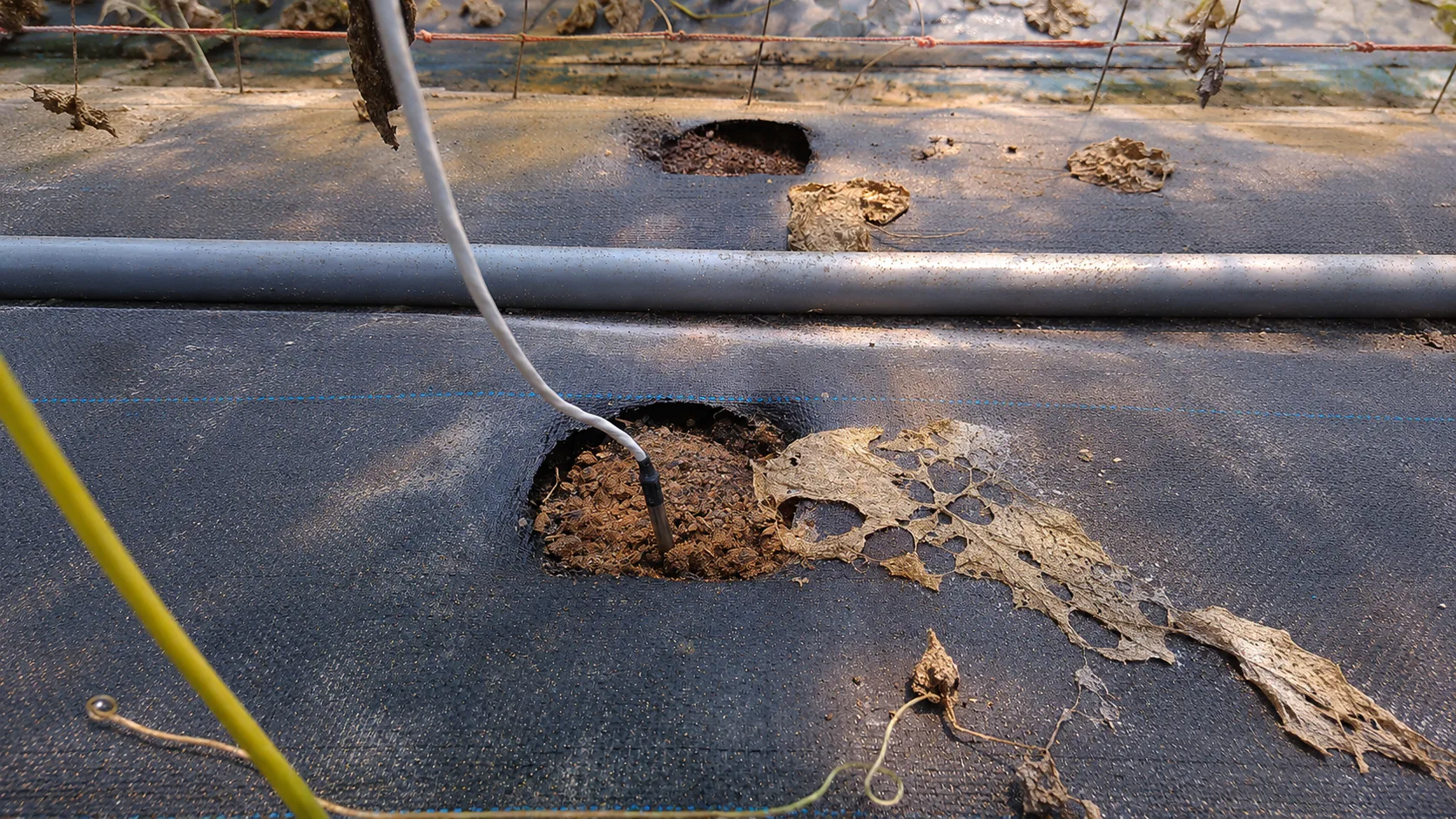
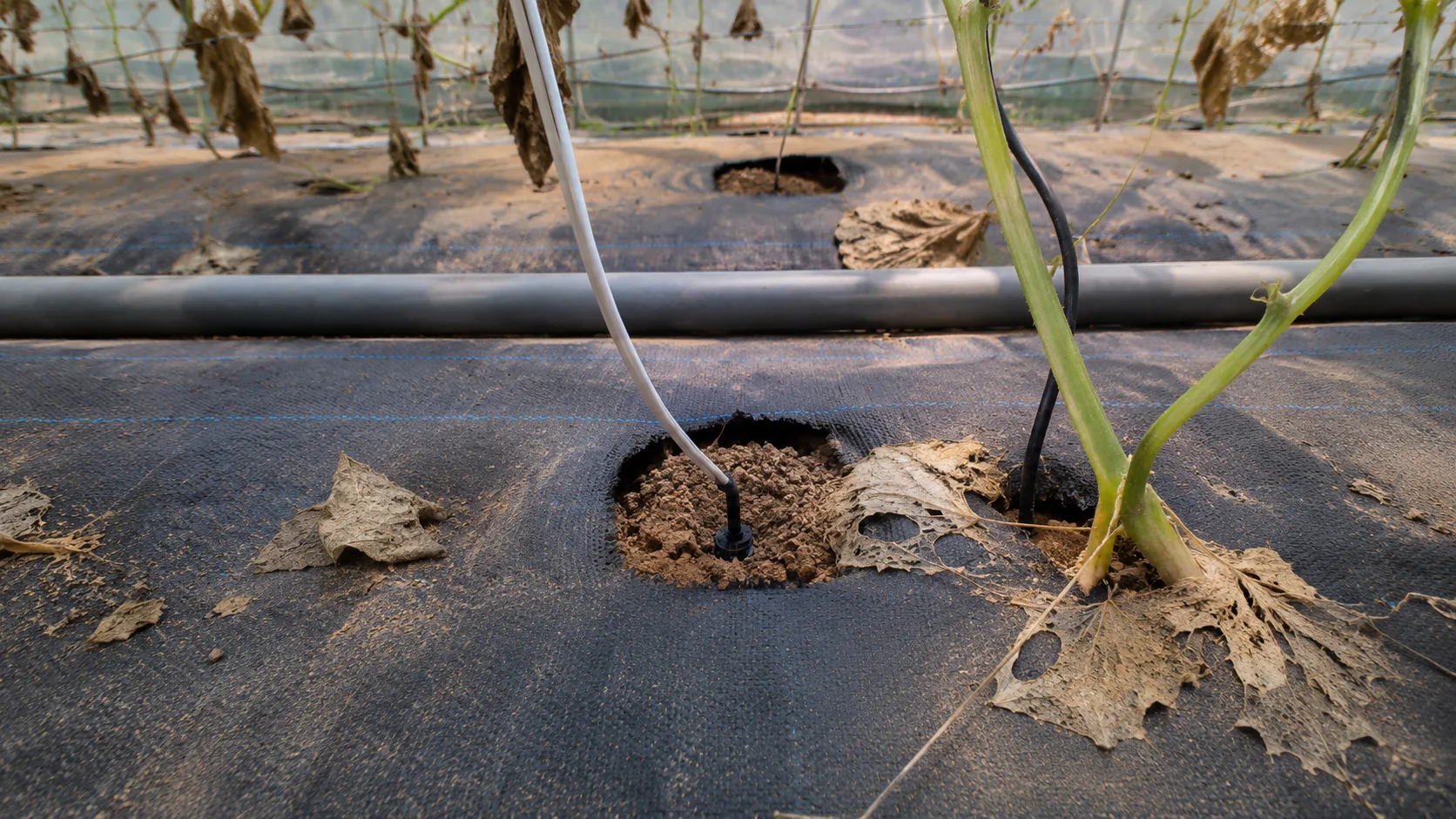
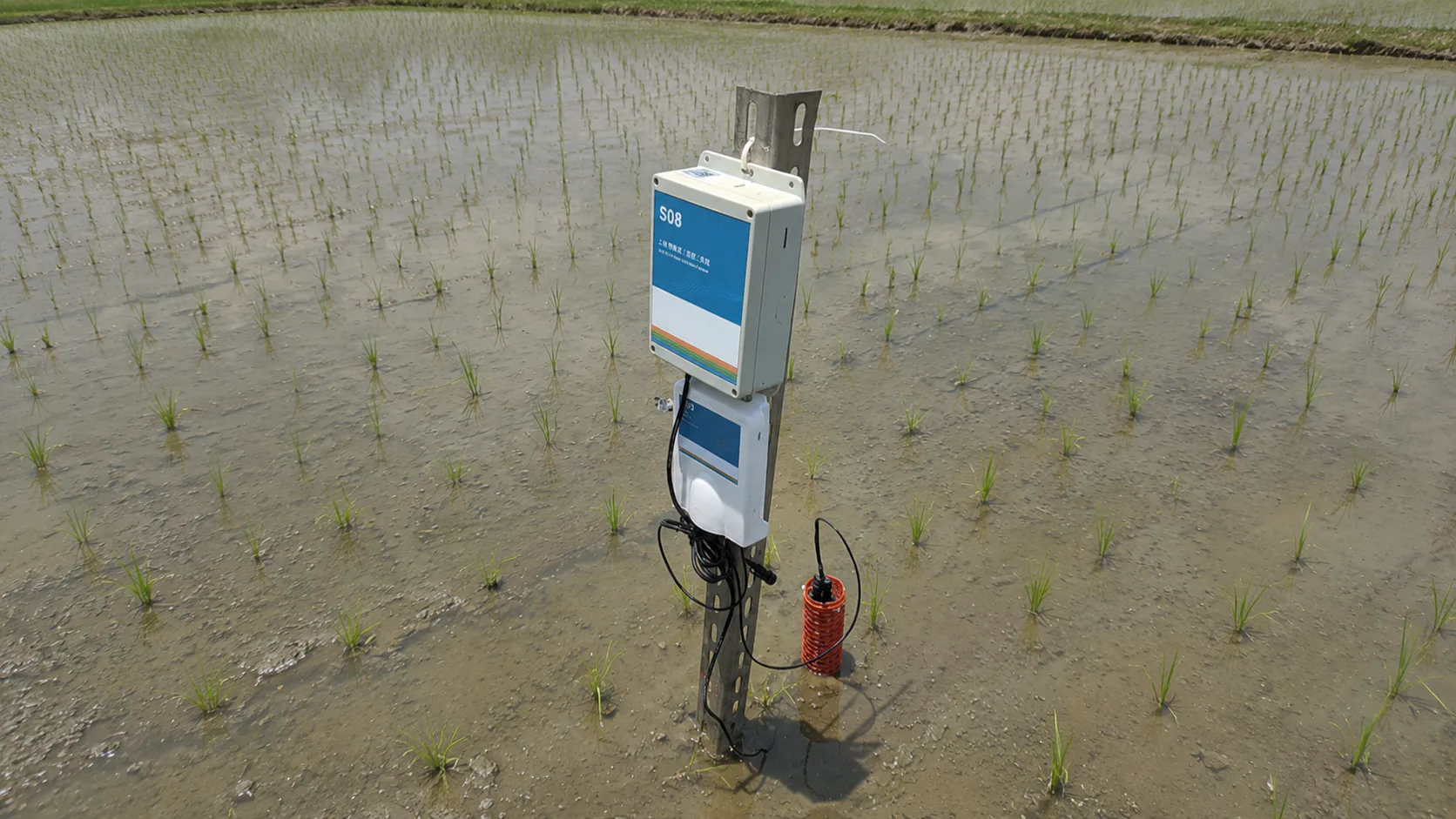
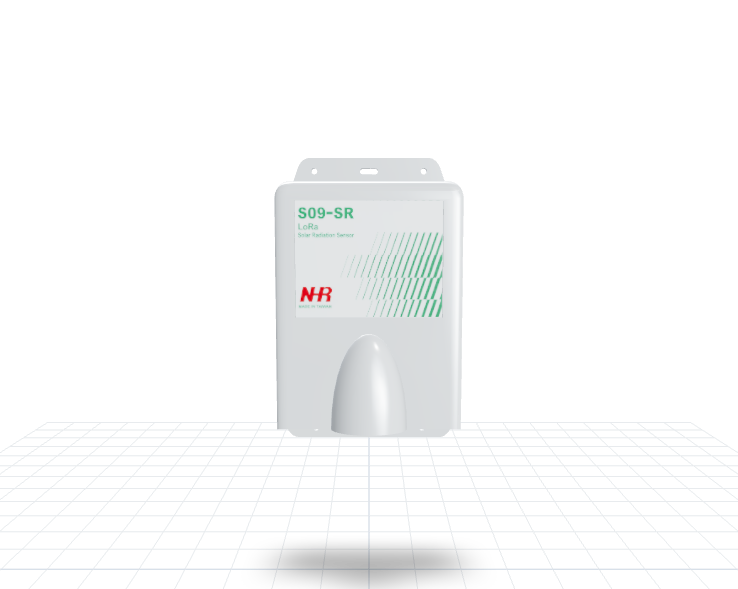
One probe, one monitoring point: the S09 3-in-1 soil sensor reads soil moisture, temperature, and electrical conductivity (EC) together, splitting root-zone conditions into three signals the grower can track individually. Moisture readings guide irrigation timing, temperature data reflects root-zone conditions, and EC offers a reference for nutrient concentration and salt accumulation.
The grower avoids deploying multiple separate devices, and field management stays simpler as a result. Real-time data lets the team adjust watering and fertilizing based on actual soil conditions, rather than a fixed schedule or a single inspection.
Value
Salt and Nutrient Problems Surface Earlier
Once hidden soil variation becomes measurable, growers can catch over-wet, dry, or nutrient-related trends — including early salt buildup — before root-zone stress affects the crop, supporting lower over-irrigation risk and more efficient fertilizer use.
An experienced grower used to judge soil by feel alone; now there are three numbers to check it against, and whoever takes over the field next can follow the same standard.
Next Step
Document how soil conditions are judged today, then discuss how moisture, temperature, and EC readings should be presented so the wider team can use them consistently.
Explore Solutions / Talk to an Expert
Image Gallery