Equipment Vibration Monitoring: Preventive Maintenance for a Textile Facility in Vietnam
S09 vibration sensors track motors, drives, and rotating equipment around the clock, helping a Vietnam textile facility catch abnormal trends early, cut manual inspection load, and plan maintenance with more confidence.

Project Profile
- Region: Vietnam
- Category: Industrial
- Products: S09
Reference Impact
- 24/7 — Continuous equipment-vibration monitoring (Deployed equipment points)
- Trend-Based Alerts — Early identification of abnormal vibration (Downtime prevention)
- Est. 25% — Reduced manual inspection time (Estimated improvement)
Case Snapshot
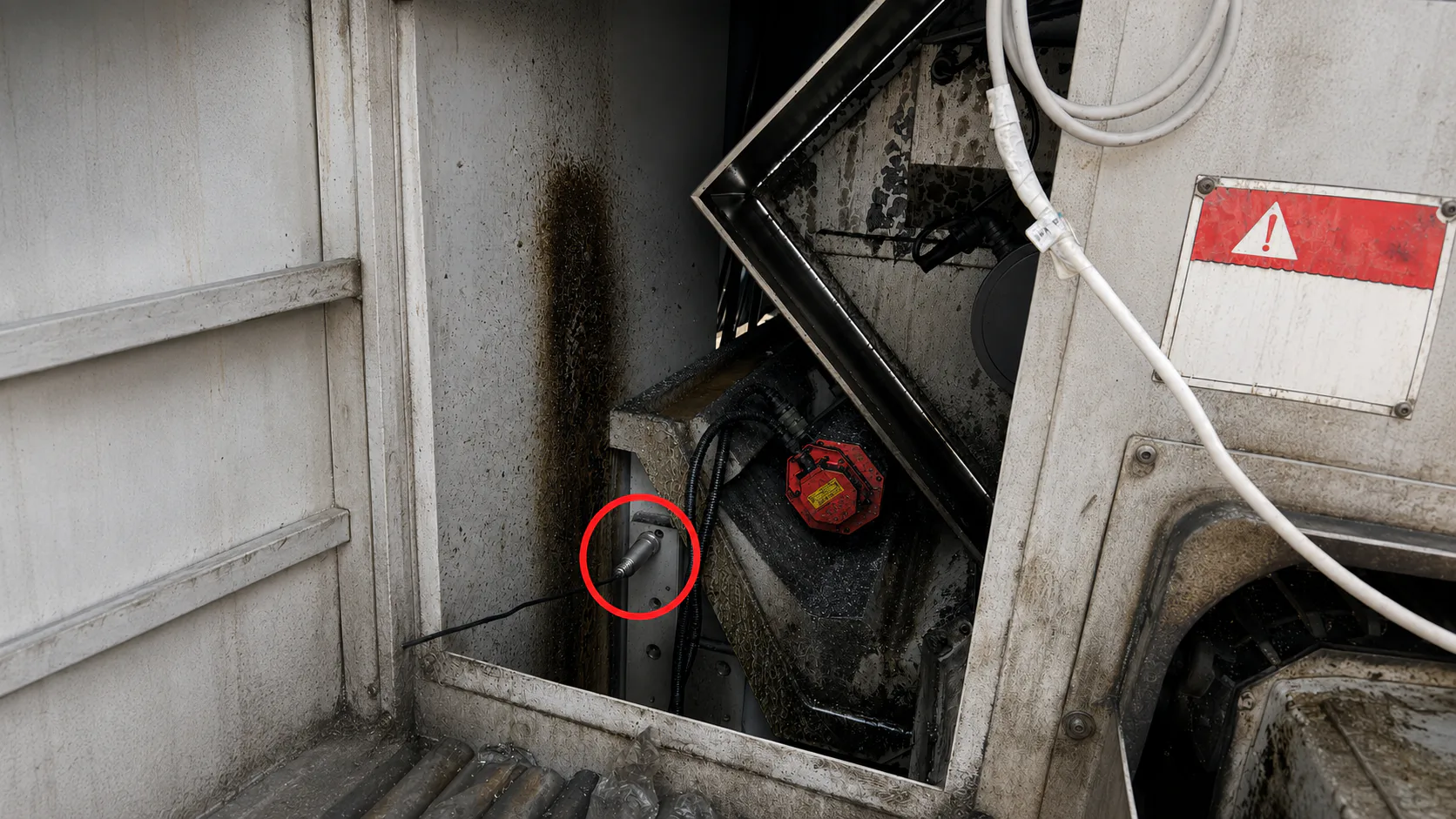
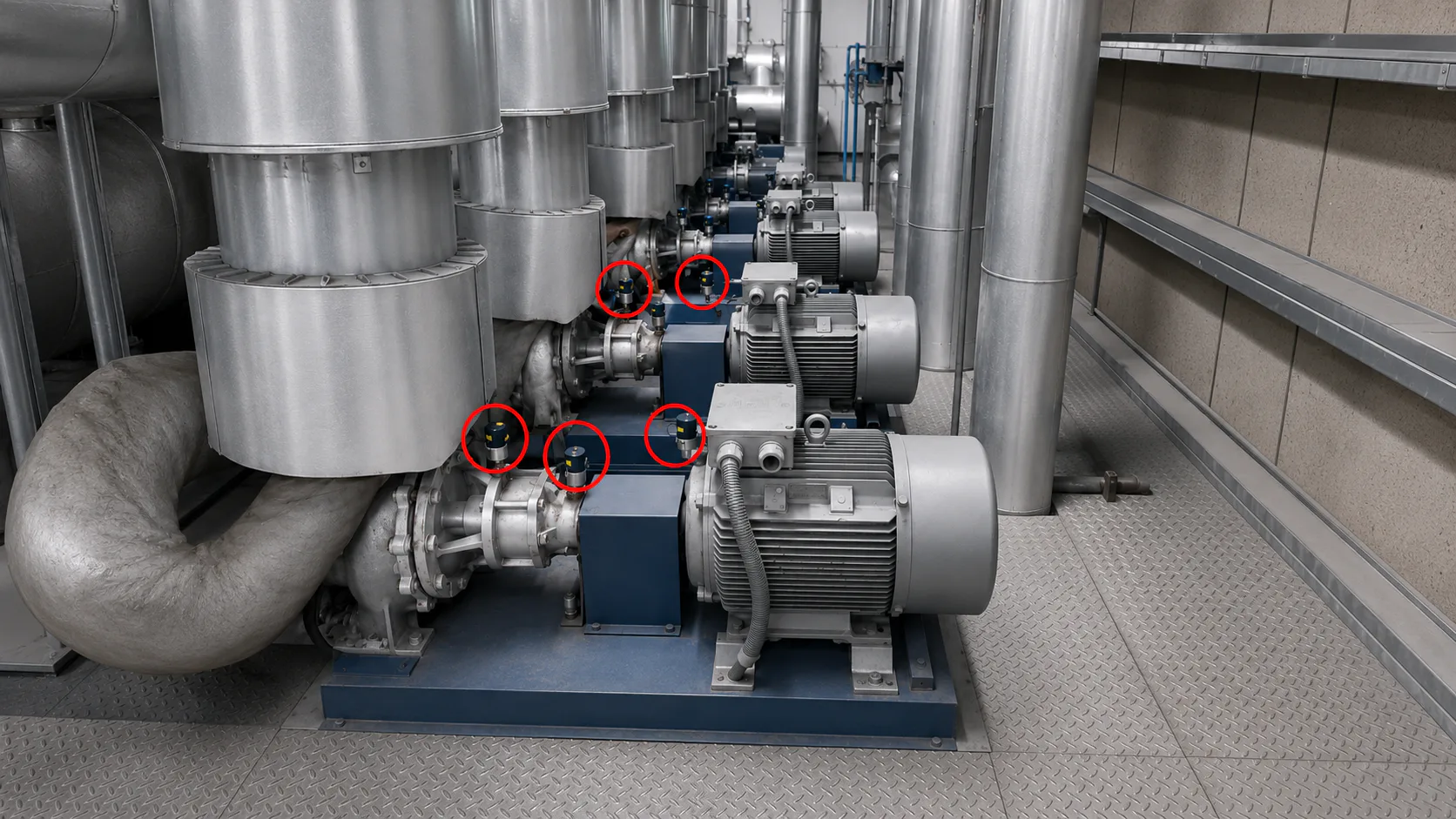
Motors, pulleys, and pumps running around the clock are an everyday sight in this Vietnam textile facility's machinery zone. Equipment is spread across narrow, noisy, oil-exposed areas, so abnormal vibration can build for a while before anyone notices, often leading to downtime or quality drift. The facility deployed S09 vibration sensors to create a real-time monitoring layer for each critical asset, giving the maintenance team earlier visibility into how vibration trends are changing.
Problem
Trouble Starts as a Small Vibration Shift
Textile production depends on multiple motors and drive components running continuously. Bearing wear, belt misalignment, loosened mounts, or abnormal loading rarely appear as a sudden event — they usually start as a small vibration change that builds well before an actual breakdown occurs.
The conventional approach leans on scheduled rounds, experience, or waiting for an unusual sound. But the machinery zone is cramped, noisy, and oil-exposed, so manual checks struggle to cover every point consistently, and there is rarely a traceable record to help prioritize which equipment needs attention first.
Solution
Mounted on Existing Machines, Status Streams Live
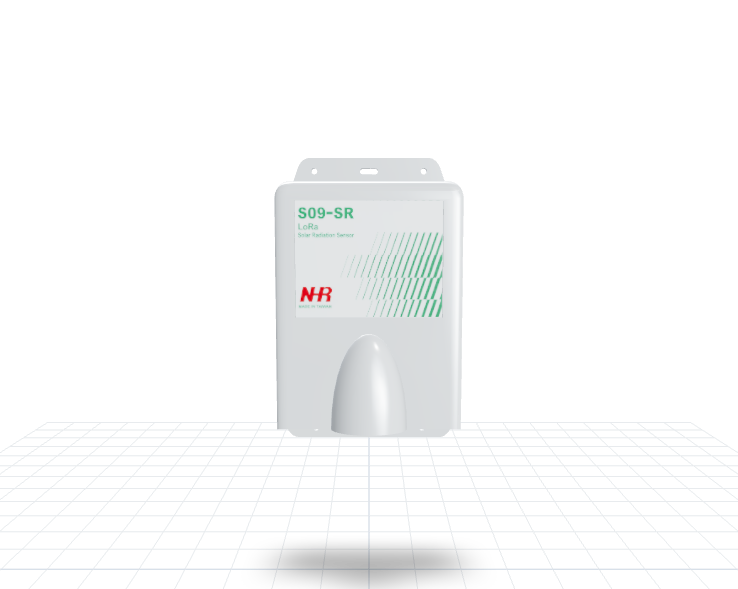
S09 vibration sensors were installed around selected motors, pumps, and drive components to detect vibration during operation and transmit status to the monitoring platform. The sensors work once mounted around existing equipment, without major changes to the production line or additional cabling.
This fits a machinery zone where assets are spread out and conditions vary from point to point — coverage continues no matter which corner of the line a piece of equipment sits in. The maintenance team can track anomalies by equipment location, vibration status, and timestamp, and the system helps flag which assets to check first when readings turn abnormal.
Value
Maintenance Gets Scheduled Before the Line Stops
The maintenance team no longer depends entirely on manual rounds or waits for an audible fault before acting. Instead, they see vibration trends changing earlier and schedule repairs, spare parts, or a maintenance window in advance.
For the textile operator, this lowers the risk of unplanned downtime, improves equipment uptime stability, and gives maintenance decisions a clearer data basis. The cost of a single unplanned stoppage often outweighs the cost of installing vibration sensors in the first place — which is exactly why this kind of monitoring is worth budgeting for early.
Next Step
Start with one or two critical rotating machines and evaluate whether vibration trends provide useful maintenance signals before expanding the monitoring scope.
Explore Solutions / Talk to an Expert
Image Gallery