Field-proven NHR IoT deployments across smart cities, agriculture, logistics, energy, and industrial infrastructure.
P01, B01, and H01 devices consolidate parking, waste-bin, and drainage status over NB-IoT on one platform, helping the district reduce zone-by-zone patrols and identify where attention is actually needed sooner.
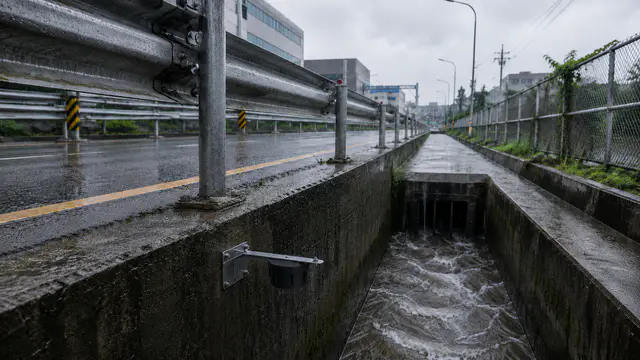
LoRaWAN-connected H01 sensors sit at the industrial park's key drainage channels and low points, feeding water-level data into one platform so pump dispatch, road control, and patrol routing get an earlier basis for decisions.
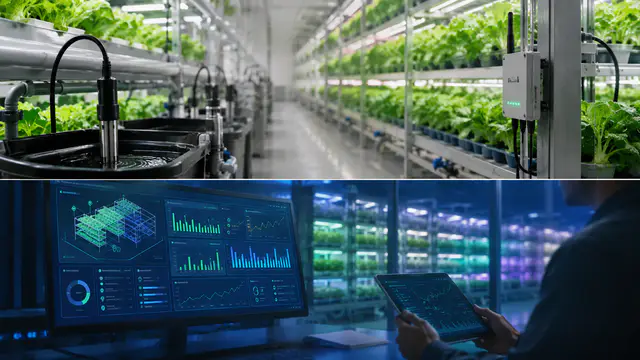
Stacked growing racks and tight floor space meant a Singapore vertical farm had to track nutrient concentration, pH, dissolved oxygen, and water level at once, so it turned to wireless sensors and a LoRaWAN monitoring platform to keep all four in view.
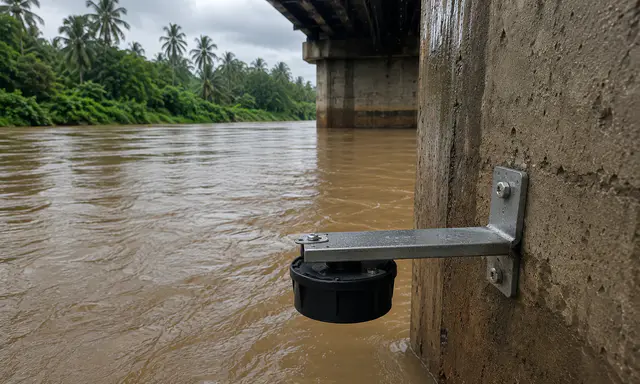
H01-NW NB-IoT radar sensors take over water-level observation on high-risk river segments, so once a level nears the warning threshold, an alert reaches every relevant agency without waiting for a manual patrol to confirm it.
H01-LW sensors installed inside Brunei's drainage manholes report water level and cover status around the clock over LoRaWAN, so when monsoon rain stacks on top of tidal backflow, anomalies don't wait to be found by a patrol in the rain.
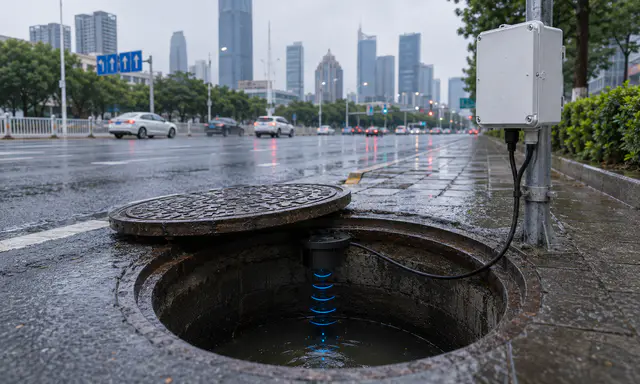
H01-NW sensors watch water level inside the manhole itself, sending data over NB-IoT before flooding ever reaches the surface, so a city drainage authority can start judging risk before the road shows a problem.
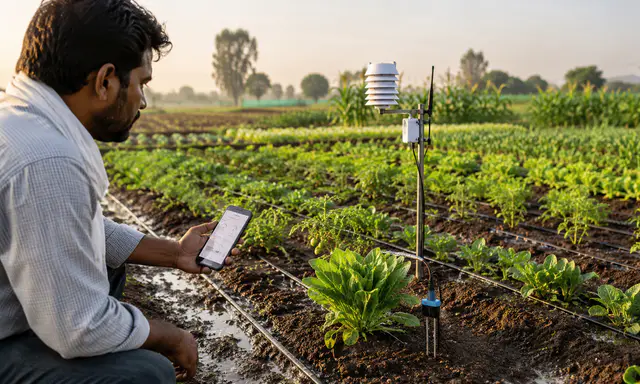
S09-ETH soil sensing and S09-TH ambient sensing feed a private LoRa network with 4G backhaul, bringing scattered plots into one view and reducing the need to check field conditions plot by plot.
M20 tilt sensors continuously report roadside-tree angle changes, helping road authorities identify abnormal movement earlier around typhoons and heavy rain and reduce public-safety and traffic-disruption risk.
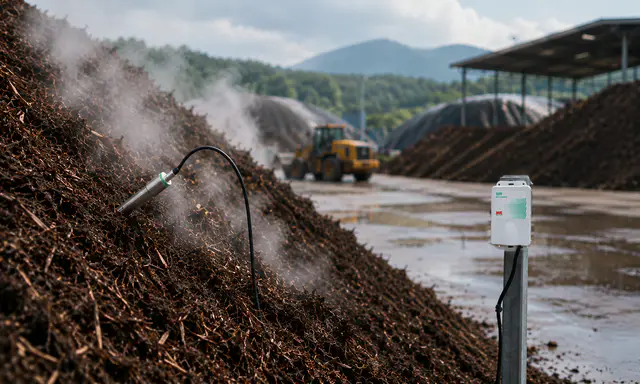
Corrosion-resistant temperature probes measure multiple depths inside compost piles, giving operators visibility into internal heat layers while reducing repeated manual checks in hot, humid, corrosive conditions.
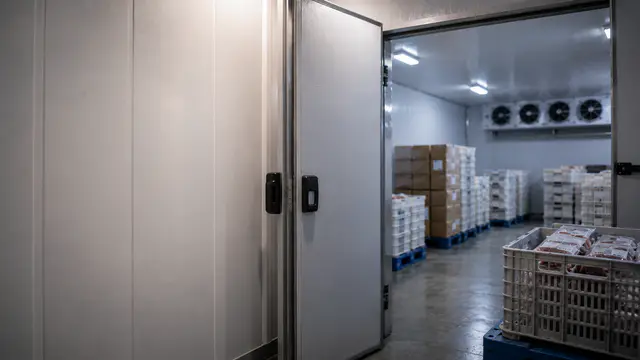
With insulated panels that could not be drilled, this Malaysian cold-storage facility needed to verify internal temperature without depending on the refrigeration unit's own display — S09-TH's split probe design put the sensor inside and the transmitter outside.
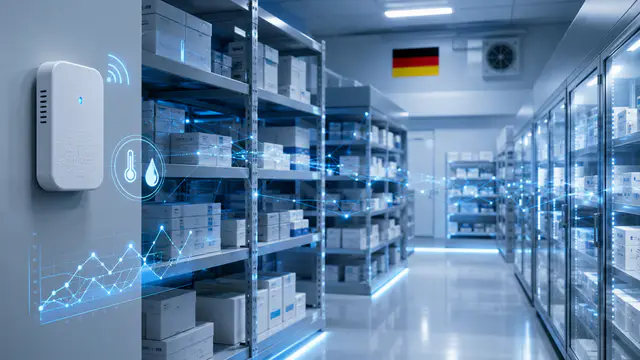
A German medical storage provider manages multiple controlled rooms for pharmaceuticals and vaccines — S09-ST wireless sensors let each room join the monitoring network without drilling or cabling, keeping audit documentation ready at any time.