
For hot spring operators, water is not simply part of the setting. It is the starting point for daily operations. Hotels, guesthouses and bathing facilities all depend on a reliable supply.
Water-use monitoring creates a record of abstraction. But another question remains: when different operators draw water at different times, how does the monitoring well respond—and how quickly does it recover when demand falls?
According to the project information supplied, water-use monitoring equipment is already installed at local operators. The proposed extension adds well-pressure and temperature monitoring, connecting existing abstraction records with observations of well conditions.
Knowing how much water is used is the starting point. Understanding how the well responds can provide earlier insight into supply risks.
01 / SITE CONDITIONS
Start with the well, not the instrument
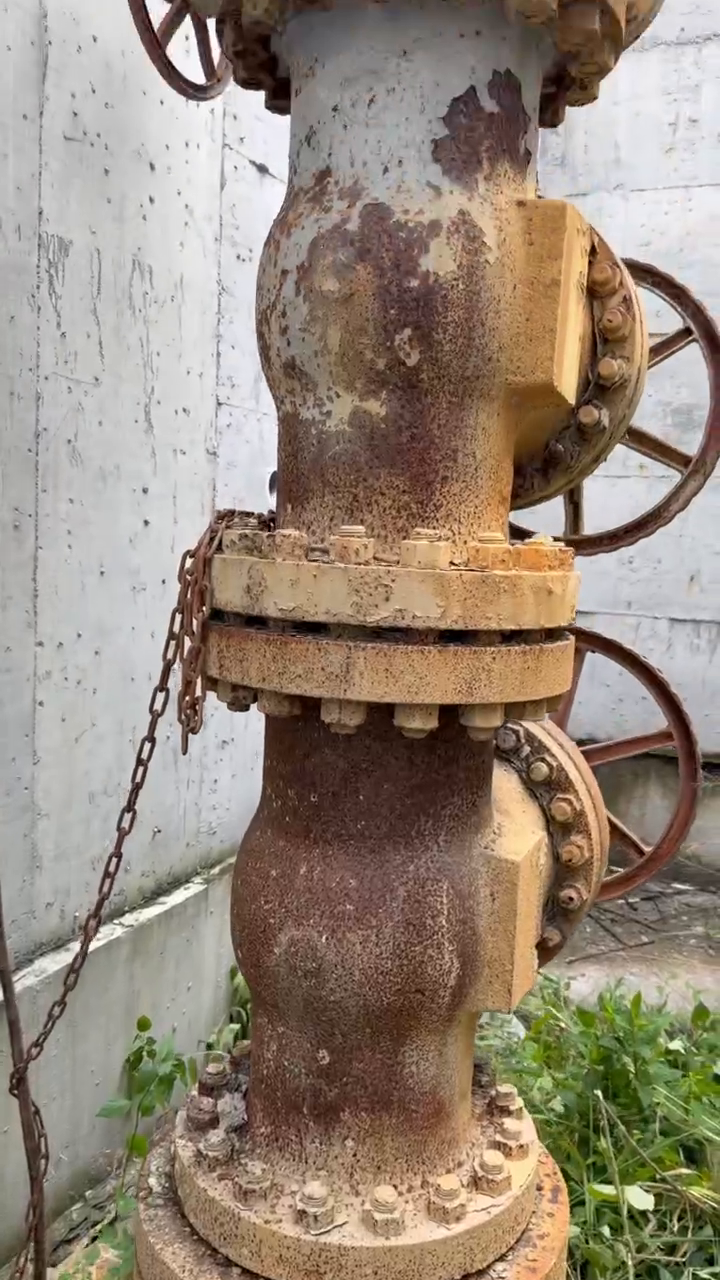
The project proposes pressure monitoring suited to the high-temperature environment of a flowing artesian well, together with water-temperature measurement. Converting pressure to hydraulic head requires an established measurement reference and confirmation of site conditions. Hydraulic head is not a direct measure of the volume of water remaining underground.
Instrument selection depends on more than measurement range. Well depth and diameter, maximum water temperature, water chemistry and connection details all inform the assessment of wetted materials, seals, cabling and maintenance requirements.
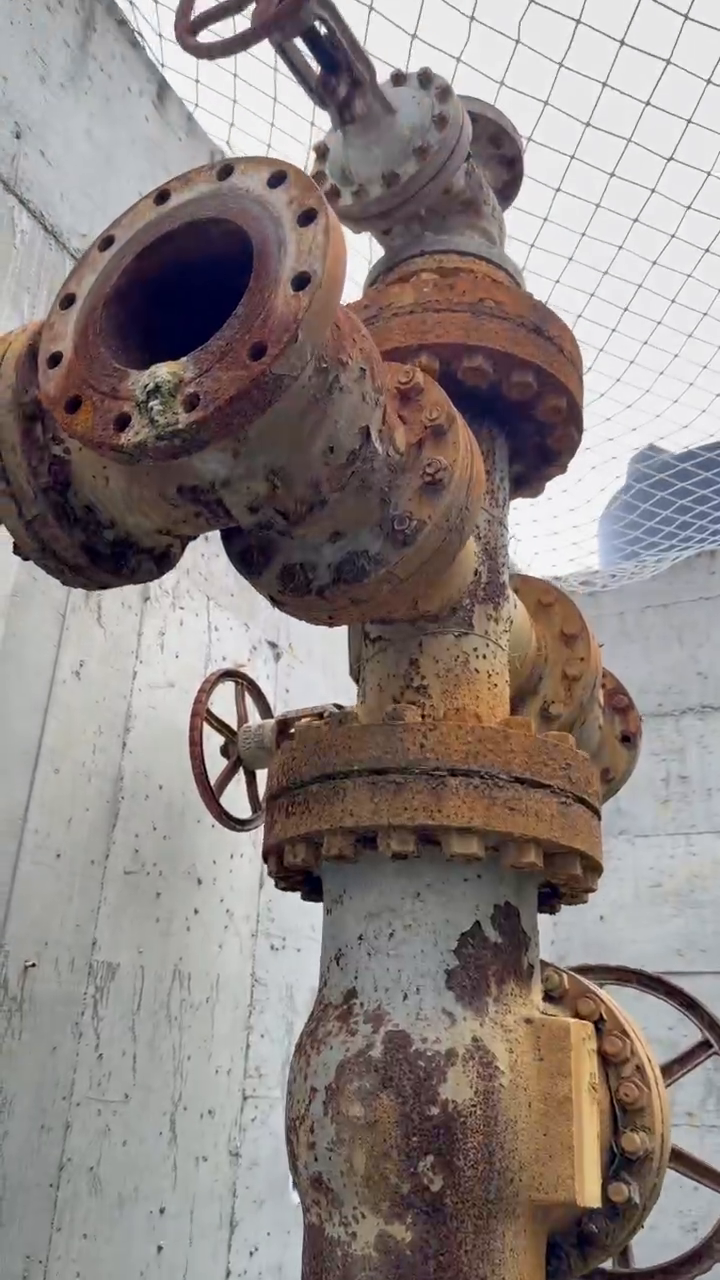
The video documents existing facilities. Appearance alone cannot establish material composition, the cause of corrosion or equipment safety, and does not demonstrate completion of the new monitoring system.
Put separate records on the same timeline
Field data is intended to pass through an IoT data collector and reach the cloud platform over 4G or a wired network. Managers would be able to review well conditions, operator water use and equipment connectivity from a phone or computer.
The value lies in comparison. If the monitored level falls rapidly, managers can review instantaneous and cumulative water use alongside pumping schedules to see whether abstraction patterns changed at the same time.
Subject to data availability and permission, the project also proposes incorporating rainfall, tides, earthquake events, nearby geothermal abstraction and reinjection records, pump operation, power supply and communication status. These records would help specialists narrow an investigation—not automatically assign a cause.
Concurrent changes are not proof of causation
If well levels and tides fluctuate together, is there a consistent relationship? A few overlapping curves cannot answer that question.
The plan is to collect an initial three to six months of data. Whether that is sufficient to identify a stable relationship will depend on data quality, seasonal variation and specialist analysis. Installation records would also include the monitoring well's location, wellhead elevation, depth and spatial relationship to surrounding facilities.
A single monitoring well represents a particular observation point, not the entire hot spring area. Regional interpretation requires geological context, an appropriate monitoring network and long-term observations.
02 / OPERATIONAL RESPONSE
Make an alert the beginning of a response
The system is intended to provide tiered alerts based on site-specific reference conditions. These may cover departures from normal well levels, rapid declines, abnormal temperature or water use, communication loss and power events. LINE, SMS and email notifications depend on the agreed integration scope.
Any automatic pumping shutdown would require separate confirmation of safety limits for each abstraction well and pump, control interfaces and fail-safe measures. One regional monitoring-well threshold should not directly control every installation.
The purpose of an alert is to give managers time to check, coordinate and respond—not to replace field judgment with a single number.
Build a traceable basis for the next decision
Once implemented and supported by usable records, the project is expected to help identify supply risks earlier, inform abstraction scheduling and support investigations. Historical records could also support discussions with authorities and local stakeholders.
These are intended management benefits. They still require implementation, data-quality management and validation through operation.
The core of this project is not simply another level sensor. It is the connection between water-use records and the well's response, building an evidence base for responsible use of hot spring resources.